Clinical Nutrition & Breed-Specific Pathophysiology Specialist
Reviewed by Dr. Allona Jackson, DVM
Clinically reviewed for 2026 metabolic matching protocols, nutrient-first vs. ingredient-forward philosophies, and the role of clinical probiotics in long-term feline gut microbiome health.
If you’ve narrowed your search for the best cat food down to two vet-recommended giants—Royal Canin vs Purina Pro Plan—you’re facing a good problem. Both are backed by science, trusted by professionals, and sit at the premium tier of pet nutrition. But this choice often leaves owners paralyzed: Which one is actually better for my cat?
As a veterinarian, I can tell you the answer isn’t in a simple star rating. The true winner depends entirely on your cat’s individual biology, health needs, and even personality. Choosing between them is less about finding a “superior” brand and more about matching a specific nutritional philosophy to your feline’s unique profile.
This article is your definitive 2026 head-to-head comparison. We’ll move beyond marketing to dissect the core science, ingredient strategies, and real-world performance of each brand across five critical categories. Most importantly, I’ll provide a clear decision framework to cut through the confusion and reveal which brand’s strengths align with your cat’s life stage, breed, and health considerations.
For a comprehensive understanding of Royal Canin’s full range of specialized formulas, from breed-specific to prescription diets, be sure to reference our pillar resource: Royal Canin Cat Food: A Veterinarian’s Guide to Formulas, Benefits, and Choosing the Right One. Now, let’s settle this debate with evidence, not opinion.
The Contenders: Decoding Two Different Philosophies
To understand why choosing between Royal Canin vs Purina Pro Plan matters, we must first unpack their core nutritional philosophies. These aren’t just different recipes; they’re different approaches to feline health, born from decades of research but prioritizing distinct goals.
Free Interactive Tool
Not sure exactly how many calories or cups your cat needs every day?
Don’t guess based on generic charts. Use our vet-backed Cat Feeding Calculator to get a precise, personalized daily meal and treat blueprint matching your cat’s exact weight and lifestyle.
Calculate Your Cat’s Portions Now →Royal Canin: The Precision Surgeon
Imagine nutrition tailored with the exactness of a medical prescription. This is Royal Canin’s world.
- Core Philosophy: Precision Nutrition. Their research, spearheaded by the Waltham Petcare Science Institute, focuses on extreme specificity. They ask: What does a Persian’s unique jaw structure require? What nutrient matrix best supports a Maine Coon’s joint health? How can we formulate a diet that actively dissolves struvite urinary crystals?
- Key Strength: Targeted Solutions. Royal Canin excels in creating diets for very specific scenarios: breed-specific formulas, life-stage precision, and most notably, a comprehensive range of veterinary therapeutic (prescription) diets for managing diagnosed conditions.
- The Analogy: A custom-tailored suit or a precise medical intervention. It’s designed to fit an exact set of measurements or solve a particular problem.
Purina Pro Plan: The Specialized All-Athlete
Now, imagine nutrition engineered for peak performance and resilience, adaptable to various lifestyles.
- Core Philosophy: Specialized Performance & Wellness. Backed by the Purina PetCare Center, their research emphasizes digestive health, immune function, and palatability. They incorporate findings on the gut microbiome (hence the inclusion of live probiotics like FortiFlora in many formulas) and cognitive health in aging cats.
- Key Strength: Accessible Specialization. Pro Plan shines at offering highly palatable, specialized over-the-counter nutrition for common needs: sensitive systems, weight management, urinary maintenance, and life stage support, all widely available at pet retailers.
- The Analogy: High-performance gear for different athletic pursuits. It’s optimized for a type of activity, built with advanced materials (like probiotics and real meat), and designed for reliability and results.
The Fundamental Difference:
Royal Canin asks, “What specific problem are we solving?”
Purina Pro Plan asks, “How can we optimize this cat’s daily health and performance?”
One focuses on precision for defined conditions; the other on excellence within lifestyle categories. This philosophical divide explains everything from their ingredient choices to their product lines. With this understanding, let’s put them head-to-head on the key factors that matter most for your cat.
Head-to-Head Comparison: The 5 Key Battlegrounds
Now that we understand their core philosophies, let’s see how Royal Canin vs Purina Pro Plan stack up against each other in practical terms. We’ve broken down the comparison into five critical categories that matter most to cat owners and veterinarians alike.
For a quick overview, here’s how they compare at a glance:
| Category | Royal Canin | Purina Pro Plan |
|---|---|---|
| Research Focus | Breed-specific traits, clinical condition management | Digestive microbiome, palatability, cognitive health |
| Ingredient Strategy | “Nutrient-First” – Functional ingredients for precise outcomes | “Ingredient-Forward” – Real meat first, plus functional supplements |
| Product Range | Deep & Medical (Breed-specific, Rx Diets) | Broad & Lifestyle (Specialized OTC lines) |
| Palatability | Engineered for high acceptance, especially in Rx formulas | Consistently wins taste tests; often preferred by picky eaters |
| Accessibility & Value | Premium-priced; vet clinics & specialty stores | Widely available; strong value in specialized OTC nutrition |
Let’s examine each category in detail.
1. Scientific Research & Development
Both brands invest heavily in science, but their research priorities differ, shaping their product development.
- Royal Canin: Their work at the Waltham Petcare Science Institute drives a deep dive into breed-specific anatomy, nutrient metabolism for specific health conditions, and kibble technology (like shape and texture for dental health). The goal is often a targeted clinical outcome, such as altering urine pH or managing kidney workload.
- Purina Pro Plan: Research at the Purina PetCare Center heavily emphasizes digestive health and the gut microbiome, leading to the inclusion of live probiotics. They also focus extensively on palatability science and life-stage nutrition, including cognitive support for seniors (Bright Mind line).
- The Vet’s Take: You’re choosing between clinical precision (Royal Canin) and digestive/wellness optimization (Pro Plan). Both approaches are valid and backed by significant science.
2. Ingredient Philosophy & Formulation
This is where many owners form strong opinions. The brands’ philosophies lead to visibly different ingredient lists.
- Royal Canin: The “Nutrient-First” Approach. Ingredients are selected as functional tools to build a precise nutrient matrix. This is why you’ll see items like corn gluten meal (a concentrated protein source) and animal by-product meal (nutrient-dense organ meats). The priority is the guaranteed, research-backed nutritional outcome, not necessarily the ingredient list’s consumer appeal.
- Purina Pro Plan: The “Ingredient-Forward & Functional” Approach. Formulas are typically built with a named animal protein as the first ingredient (e.g., chicken, salmon). They then add functional supplements—most notably, live probiotics for digestive and immune health, as well as omega fatty acids for skin and coat.
- The Vet’s Take: Pro Plan’s labels often align better with current consumer trends. However, from a nutritional science standpoint, Royal Canin’s method is about ensuring consistent, therapeutic results. Digestibility is high for both.
3. Product Range & Specialization
Here, the brands’ paths diverge most clearly, directly reflecting their core philosophies.
- Royal Canin: Deep, Narrow, & Medical.
- Unmatched in Breed-Specific Formulas: Persian, Maine Coon, Siamese, etc., with kibble adapted to jaw shape.
- Leader in Veterinary Diets: Extensive prescription (Rx) lines like Urinary SO, Renal Support, and Gastrointestinal. These are medical tools.
- See how their most famous Rx diet works: Royal Canin Urinary SO: How It Works & When It’s Needed.
- Purina Pro Plan: Broad, Lifestyle-Oriented.
- Wide Array of Over-the-Counter (OTC) Lines: Focus (Urinary, Weight), Sport, Bright Mind, Sensitive Skin & Stomach.
- Excellent for Specialized, Non-Prescription Needs: Ideal for cats with common sensitivities, weight issues, or aging concerns who don’t yet require a prescription diet.
- Strength: Providing targeted nutrition without always needing a vet’s prescription.
4. Palatability & Digestibility
Will your cat eat it, and can they process it well? These are make-or-break questions.
- Royal Canin: Palatability is engineered to be very high, which is critical for sick, recovering, or senior cats who need to consume adequate calories. Their digestibility is excellent, especially in their gastrointestinal formulas.
- Purina Pro Plan: Frequently comes out on top in palatability competitions. The combination of real meat flavors and fats is highly appealing. The inclusion of live probiotics provides a tangible, ongoing benefit for digestive regularity and microbiome health.
- The Vet’s Take: For the notoriously picky eater, Pro Plan often has the edge. For a cat needing a therapeutic diet, Royal Canin’s palatability is more than sufficient. Both support good digestive health, but Pro Plan’s probiotics offer a distinct functional advantage for everyday wellness.
5. Price, Value & Accessibility
Finally, the practical considerations of cost and convenience.
- Royal Canin: Commands a premium price, particularly for its prescription formulas. It is primarily sold through veterinary clinics, pet specialty stores, and authorized online retailers.
- Purina Pro Plan: Positioned at a moderately premium price point, often offering better value for comparable OTC formulas. Its major advantage is accessibility: widely available in pet stores, major retailers, online, and vet clinics.
- The Vet’s Take: If your cat needs a prescription diet, Royal Canin’s cost is justified by its clinical role. For specialized OTC nutrition, Pro Plan often provides excellent quality at a more accessible price and location.
Armed with this detailed breakdown, the next step is personalization: which of these profiles is the right match for your unique cat?
The Decision Guide: Which Brand Wins for Your Cat?
A detailed comparison is only useful if it leads to a clear choice. Based on their distinct strengths, here is your veterinarian-recommended decision guide to determine whether Royal Canin or Purina Pro Plan is the winning brand for your specific feline.
Choose ROYAL CANIN if your cat is…
1. A Purebred with Breed-Specific Traits
This is Royal Canin’s specialty. If you own a Persian, Maine Coon, Sphynx, Siamese, or other purebred, their breed-specific formulas are scientifically designed to address common issues like jaw structure (kibble shape), skin and coat needs, and predisposition to hairballs. No other brand matches this level of breed-targeted research.
2. Managing a Veterinarian-Diagnosed Medical Condition
This is the most definitive reason to choose Royal Canin. Their Veterinary Diet line is a clinical tool. If your cat has been diagnosed with:
- Feline Lower Urinary Tract Disease (FLUTD) and needs Urinary SO
- Chronic Kidney Disease (CKD) requiring Renal Support
- Inflammatory Bowel Disease (IBD) or chronic pancreatitis needing a Gastrointestinal formula
…then Royal Canin is often the gold-standard, vet-prescribed choice. These diets are medical interventions and require a veterinary diagnosis and prescription.
3. In Need of Extremely Precise, Clinical-Grade Nutrition
For cats with multiple health issues or those requiring very specific nutrient restrictions (e.g., precise mineral balances, hydrolyzed proteins for allergies), Royal Canin’s “precision nutrition” approach and extensive Rx line offer solutions that few can match.
For Persian cat owners, the Royal Canin Persian Adult Dry Cat Food is formulated with their unique jaw structure and coat in mind. [See options on Amazon]
Choose PURINA PRO PLAN if your cat is…
1. A Picky or Finicky Eater
Pro Plan consistently wins on palatability. If your cat turns their nose up at food, the combination of real meat as the first ingredient and appealing fats/oils in Pro Plan formulas makes it a top contender to win them over and ensure consistent calorie intake.
2. Dealing with Common Sensitivities (Without a Formal Diagnosis)
For cats with occasional digestive upset, sensitive skin, or weight concerns that don’t yet require a prescription, Pro Plan’s Sensitive Skin & Stomach or Weight Management lines are excellent over-the-counter solutions. The inclusion of live probiotics in many formulas actively supports a healthy gut microbiome.
3. A Healthy Adult or Senior Seeking Optimized Nutrition
If your cat is generally healthy but you want to provide high-quality, specialized nutrition for their life stage or lifestyle, Pro Plan excels. Their Bright Mind line for senior cognition, Sport for active cats, and Focus lines for urinary or weight maintenance provide targeted benefits without a vet visit.
4. A Cat Where Convenience and Value Matter
Pro Plan’s wide availability in stores and online, coupled with a slightly more accessible price point for comparable OTC formulas, makes it a practical and valuable choice for everyday premium nutrition.
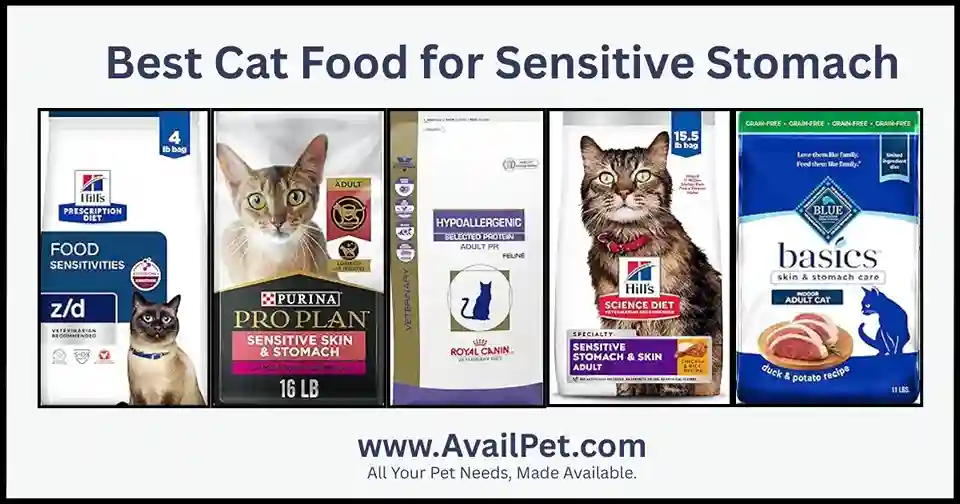
For finicky cats, the Purina Pro Plan Sensitive Skin & Stomach is often a winner on palatability.
It’s a Tie. Now What?
If your cat is a healthy mixed-breed with no specific health or behavioral issues, both brands will provide excellent nutrition. In this case, you can’t make a wrong choice. Consider these tie-breakers:
- Your Cat’s Preference: Buy small bags of each and see which one your cat consistently prefers.
- Your Veterinarian’s Experience: Ask your vet if they have a clinical preference based on results they’ve seen in their practice.
- Budget & Shopping Preference: Choose the brand that fits your budget and is most convenient for you to purchase consistently.
Remember: The “best” food is the one that meets your cat’s individual needs, is eaten reliably, and maintains their ideal body condition. In our final section, we’ll address the most common questions cat owners have when weighing these two excellent options.
FAQ: Your Direct Comparison Questions Answered
Choosing between two premium brands brings up specific, practical questions. Here are direct, veterinarian-backed answers to the most common queries we hear from cat owners in this exact situation.
Which brand has better ingredients, Royal Canin or Purina Pro Plan?
This question frames the debate perfectly. They don’t have “better” or “worse” ingredients—they have different ingredient philosophies.
- Purina Pro Plan uses an “ingredient-forward” strategy that aligns with many owners’ preferences: a named animal protein as the first ingredient (e.g., chicken, salmon) and the inclusion of functional supplements like live probiotics.
- Royal Canin uses a “nutrient-first” strategy, selecting ingredients as tools to achieve a precise, research-backed nutrient profile for a specific outcome (like managing urinary pH). This is why you see ingredients like corn gluten meal (a protein source) and animal by-products (nutrient-dense organs).
- The Bottom Line: Pro Plan’s label often looks more appealing to shoppers. Royal Canin’s formulation is designed for clinical results. Both use high-quality, digestible ingredients suited to their goals.
Is Royal Canin more “prescription” than Purina Pro Plan?
Yes, significantly. This is a key differentiator.
- Royal Canin has a vast, strictly prescription-only Veterinary Diet line (e.g., Urinary SO, Renal Support, Gastrointestinal). You must have a veterinarian’s authorization to purchase these.
- Purina Pro Plan’s specialized formulas (like Urinary Tract Health or Weight Management) are over-the-counter. They are often vet-recommended but do not require a prescription, making them accessible for maintenance and prevention.
Which is better for a cat with urinary issues?
It depends on the severity and stage.
- For Active Treatment of Struvite Crystals: The prescription Royal Canin Urinary SO is considered the clinical gold standard for dissolving stones and preventing recurrence. It is a therapeutic tool.
- For Maintenance or Cats with a History: The over-the-counter Purina Pro Plan Urinary Tract Health formulas are excellent choices for long-term management and prevention in cats prone to issues, once crystals have been resolved.
- Critical: Always start with a veterinary diagnosis. Never try to self-treat a urinary blockage or infection with diet alone.
Can I mix Royal Canin and Purina Pro Plan together?
This is generally not recommended, especially with therapeutic diets.
- For Prescription (Rx) Diets: Never mix a prescription diet like Royal Canin Urinary SO with another food unless explicitly directed by your veterinarian. Mixing can dilute its therapeutic effect and render it ineffective.
- For Over-the-Counter (OTC) Formulas: While technically possible during a transition, it’s best to feed one complete and balanced diet. Consistently mixing two different premium formulas can create an unbalanced nutrient profile and make it hard to identify the cause of any digestive upset.
Where is the best place to buy these foods to ensure they’re authentic?
Purchase from authorized, reputable sellers to guarantee freshness and authenticity.
- For Royal Canin: Your veterinary clinic is the primary source for prescription diets. For OTC formulas, use the official Royal Canin website store locator or major, trusted pet specialty retailers.
- For Purina Pro Plan: Available at most major pet stores, reputable online retailers (Chewy, Amazon), grocery stores, and veterinary clinics. Again, using the brand’s website store locator is wise.
- Why It Matters: Buying from unauthorized third-party sellers risks expired, improperly stored, or counterfeit products.
With these practical questions resolved, let’s wrap up with your final, actionable takeaways.
Conclusion & Your Final Action Plan
We’ve dissected the science, compared the philosophies, and weighed the practicalities. Now, let’s crystallize the key takeaways and map out your clear next steps to make a confident, informed choice for your cat.
The Final Verdict: Who Wins?
In the battle of Royal Canin vs. Purina Pro Plan, there is no single champion for all cats. Instead, each brand wins in its own specialized arena:
- 🏆 Royal Canin Wins in the realm of medical precision and bespoke solutions. It is the undisputed choice for veterinary-prescribed therapeutic diets and breed-specific nutrition where exact science meets individual need.
- 🏆 Purina Pro Plan Wins in the realm of palatable, accessible specialization and digestive wellness. It is the top contender for picky eaters, cats with common sensitivities, and owners seeking high-performance, over-the-counter nutrition that’s easy to find.
Both are elite, research-driven brands that represent the pinnacle of commercial pet nutrition. Your job isn’t to find the “better” brand, but to identify the better match for your cat’s unique profile.
Your 3-Step Action Plan
Step 1: Diagnose Before You Decide
- For Any Health Concern: This is non-negotiable. Schedule a veterinary exam. A food cannot replace a diagnosis. If your cat has symptoms (urinary issues, vomiting, weight loss), a vet must identify the cause before any diet—especially a prescription one—is selected.
- Be Your Cat’s Biographer: Note their age, breed, activity level, any known sensitivities, and their current body condition score (ask your vet to show you).
Step 2: Consult Your Veterinarian (Your Most Valuable Resource)
- Bring your notes and the key points from this article to your appointment.
- Ask direct questions: “Based on your exam, does my cat need a prescription diet, or is an over-the-counter formula like Pro Plan sufficient?” “Do you have clinical experience with one brand showing better results for cases like my cat’s?”
- Obtain a prescription if a therapeutic diet like Royal Canin Urinary SO or Renal Support is recommended.
Step 3: Source Smartly & Transition Carefully
- Buy Authentic: Use the brand store locators or purchase directly from your veterinary clinic to ensure you get fresh, legitimate product.
- The 7-10 Day Rule: Whichever food you choose, transition slowly over at least a week by gradually increasing the new food’s proportion while decreasing the old. This minimizes gastrointestinal upset.
- Observe and Adjust: Monitor your cat’s appetite, energy, litter box habits, and coat condition. The right food should lead to consistent energy, healthy weight, and good digestion.
A Final Word from Your Veterinarian
The pursuit of the “perfect” food is a testament to your care as a pet owner. Remember that the best diet is the one that is nutritionally complete, eaten willingly, and sustains your cat’s health in partnership with regular veterinary care.
For a complete deep-dive into the full spectrum of Royal Canin’s formulas and feeding strategies, return to our foundational resource:
Royal Canin Cat Food: A Veterinarian’s Guide to Formulas, Benefits, and Choosing the Right One.
By following this process, you move beyond confusion and marketing to become an empowered advocate for your cat’s lifelong health and happiness.
Disclaimer: The information provided in this article is for educational and informational purposes only and is not intended as veterinary medical advice, diagnosis, or treatment. Always consult your own veterinarian or a qualified veterinary professional regarding any health concerns or dietary changes for your pet. The author and AvailPet.com are not responsible for any decisions made or actions taken based on the content of this article. Therapeutic diets, including Royal Canin Veterinary Diets, should only be used under the direct supervision and prescription of a licensed veterinarian.
Sources: