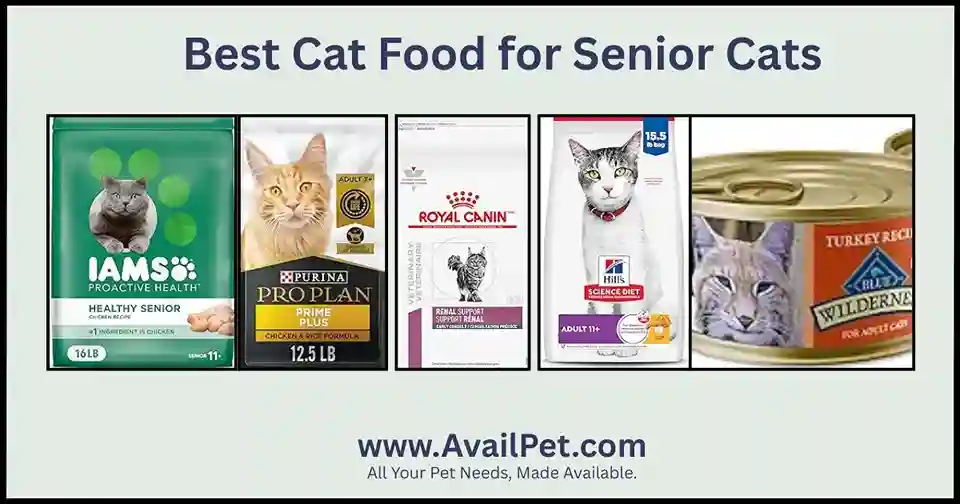
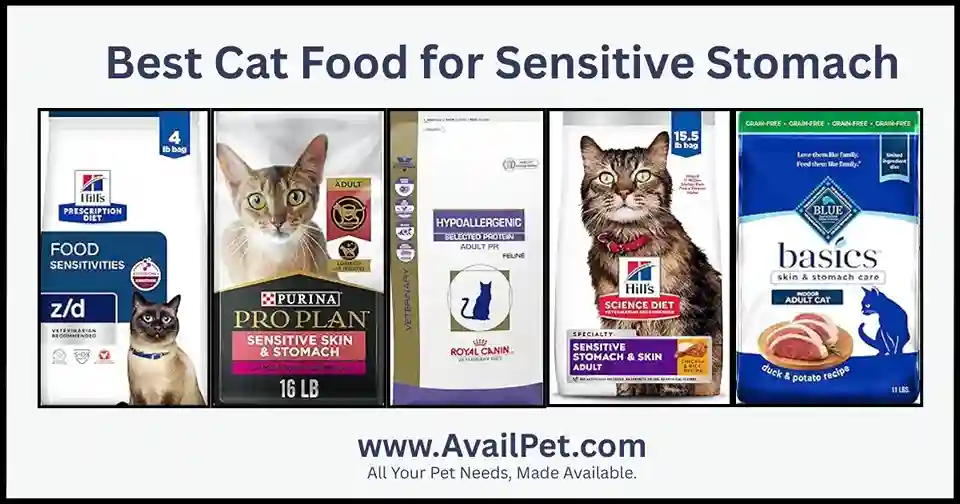
Clinical Nutrition & Metabolic Integrity Specialist
Reviewed by Dr. Allona Jackson, DVM
Clinically reviewed for 2026 nutrient bioavailability standards, breed-specific morphological support, and the role of precision nutrition in managing chronic feline renal and urinary pathologies.
If you’ve ever stood in the pet food aisle—or scrolled through endless online options—you’ve likely asked yourself the very question that brings thousands of cat owners to search engines every day: “Is Royal Canin good for cats?”
It’s a natural and important question. Royal Canin commands a premium price and holds a prominent place in veterinary clinics worldwide. This reputation leads many to wonder: Is it truly superior nutrition, or are you just paying for the name and the white coat endorsement?
As a veterinarian, I can tell you that the answer is nuanced. “Good” isn’t a binary label. A food that’s excellent for a Persian with chronic hairballs may be different from the ideal choice for a young, active mixed-breed with no health issues.
This article is your definitive, honest review for 2026. We’ll move beyond marketing to analyze the science, break down the often-misunderstood ingredients, and weigh the genuine pros and cons from a clinical perspective. Most importantly, I’ll clarify the specific scenarios where Royal Canin shines as a top-tier choice—and when another brand might be just as suitable.
Think of this as your focused deep-dive. For the complete overview of every formula, from kitten to senior and breed-specific to veterinary diets, be sure to explore our comprehensive pillar resource: Royal Canin Cat Food: A Veterinarian’s Guide to Formulas, Benefits, and Choosing the Right One. Now, let’s settle the debate with evidence, not just opinion.
The Veterinarian’s Lens: What Makes a Cat Food “Good”?
Before we can judge any brand, we must first establish the objective criteria that veterinary professionals use to evaluate cat food. “Good” isn’t about trendy ingredients or compelling packaging—it’s about measurable outcomes and proven science.
Here are the five pillars I use to assess any diet, from the most economical to the most premium:
- Complete & Balanced Nutrition: This is the non-negotiable foundation. The food must meet or exceed the nutritional profiles established by the Association of American Feed Control Officials (AAFCO) for a cat’s specific life stage (growth, adult maintenance, all life stages). This ensures it provides the essential vitamins, minerals, amino acids (like taurine), and fatty acids in the correct ratios.
- Ingredient Quality & Nutrient Bioavailability: It’s not just what’s on the label, but what a cat’s body can actually use. High-quality ingredients from reliable sources that are highly digestible mean more nutrients are absorbed and less waste is produced. This is where the science of formulation trumps a simple “ingredient list” reading.
- Safety, Consistency & Quality Control: A “good” food is a safe and predictable food. This means rigorous manufacturing standards, regular testing for contaminants (like heavy metals, molds, or bacteria), and batch-to-batch consistency. You should be able to open a new bag with confidence that it’s identical to the last.
- Palatability: The most nutritious food in the world is useless if your cat refuses to eat it. A good food must be appealing enough to ensure consistent calorie intake, which is especially critical for sick, elderly, or finicky cats.
- Targeted Efficacy: This is the hallmark of premium and veterinary diets. Does the food deliver on a specific promise? For example, does a urinary health formula actually help maintain a healthy urinary pH? Does a hairball control blend effectively reduce hairball formation? Evidence-based results are key.
The Royal Canin Philosophy: Precision Nutrition
This final pillar is where Royal Canin aims to differentiate itself. Their core philosophy isn’t just “good” nutrition—it’s “precision nutrition.” This means formulating diets with surgical specificity for a cat’s exact life stage, breed size and shape, or specific health condition.
With these professional criteria established, we now have a clear framework. Let’s apply this veterinary lens to Royal Canin, starting with its most compelling strengths.
The Evidence FOR Royal Canin: Key Strengths and Benefits
When evaluated through our veterinary criteria, Royal Canin demonstrates several compelling strengths that justify its reputation and explain its prevalence in clinical practice. These aren’t marketing claims—they are tangible differentiators backed by research and clinical observation.
1. Science-Backed, Research-Driven Formulations
This is Royal Canin’s foundational strength. Unlike brands that follow ingredient trends, Royal Canin invests heavily in primary research through their Waltham Petcare Science Institute, one of the largest specialized pet research centers in the world.
- What This Means: Their formulas are built on studies of feline physiology, nutrient metabolism, and breed-specific traits. For instance, their kibble shapes for breeds like Persians aren’t a gimmick; they’re based on studies of jaw structure and eating behavior to promote chewing and oral health.
- The Vet’s Take: This research-driven approach provides a level of confidence and predictability that is essential when recommending food as part of a healthcare plan.
2. Unmatched Precision & Range of Specialized Formulas
Royal Canin’s portfolio is a direct expression of “precision nutrition.” They offer targeted solutions few other brands can match:
- Breed-Specific Diets: Tailored not just for size (Maine Coon vs. Siamese) but for breed-specific concerns like skin sensitivity or predilection for hairballs.
- Life-Stage Precision: Formulas are finely tuned for kittens, adults, and seniors, with specific nutrients like joint supports or adjusted phosphorus levels.
- Veterinary Therapeutic Diets: This is where they excel. Diets like Royal Canin Urinary SO® or Renal Support are not just “food”; they are clinical tools. Their formulations are precisely calibrated to create specific physiological outcomes, such as altering urine pH or reducing renal workload, and are validated through feeding trials.
- For a deep dive into how one of these tools works, see our article on Royal Canin Gastrointestinal Cat Food: Uses & Benefits.
3. Exceptional Quality Control and Manufacturing Consistency
For cats, especially those with chronic health issues, consistency is safety. A sudden change in nutrient levels can trigger a flare-up.
- What This Means: Royal Canin’s manufacturing processes are highly controlled, ensuring every kibble in every bag has an identical nutrient profile. This reliability is paramount when managing conditions like kidney disease or food allergies.
- The Vet’s Take: This consistency is a primary reason veterinarians trust the brand. We know the food we prescribe today will perform the same as the food we prescribed six months ago.
4. High Palatability and Digestibility
Royal Canin consistently scores high on two practical metrics: will cats eat it, and can they digest it easily?
- Palatability: Their foods are engineered for taste appeal, which is critical for cats who are ill, recovering, or naturally picky. Getting adequate calories into a cat is often the first step in recovery.
- Digestibility: The combination of highly digestible proteins and precise fiber blends (like those in Hairball Care) means more nutrients are absorbed and less digestive upset occurs—a key benefit for cats with sensitive systems.
These strengths collectively make a powerful case. However, a truly honest review must also address common concerns and limitations head-on. Let’s examine the other side of the coin.
Addressing Concerns: A Vet’s Take on the “CONS” & Controversies
An honest review must address the hesitations and criticisms head-on. Much of the debate around Royal Canin stems from a disconnect between popular pet food marketing trends and the principles of clinical veterinary nutrition. Let’s examine the most common concerns through an evidence-based lens.
1. The Ingredient Debate: Corn, By-Products, and Cellulose
This is the most frequent point of contention. Critics point to ingredients like corn gluten meal, poultry by-product meal, and powdered cellulose as red flags.
- The Veterinary Nutrition Perspective: In the context of a complete diet, these are functional, bioavailable nutrient sources, not “fillers.”
- Corn/Gluten Meal: Provides highly digestible protein and essential amino acids. It’s a consistent energy source.
- Animal By-Product Meal: In high-quality feeds, this refers to nutrient-dense organ meats (liver, heart, lungs) and clean tissues. These parts are often richer in vitamins and minerals than muscle meat alone.
- Powdered Cellulose: A purified, insoluble fiber used to manage hairballs and promote digestive health without adding calories.
- The Bottom Line: Isolating ingredients is misleading. Veterinary nutrition focuses on the total nutrient profile and bioavailability. Royal Canin uses these ingredients to create precise, research-backed nutrient matrices that achieve specific health outcomes. For owners committed to a “whole meat-first, grain-free” philosophy, this remains a legitimate stylistic preference, but not necessarily a mark of inferior quality.
2. The Premium Price Point: Is It Worth It?
There’s no denying Royal Canin commands a higher price than grocery-store brands and even some premium competitors.
- The Value Proposition: The cost reflects research investment, specialized manufacturing, and clinical validation. For a generic, healthy cat, the value may be less pronounced. However, for a cat with a specific, diagnosed need—such as urinary crystals or inflammatory bowel disease—the price correlates directly with the targeted efficacy and clinical results that can reduce future vet bills and improve quality of life.
3. Not a Universal “Best” for Every Healthy Cat
Royal Canin’s strength is specialization. For a completely healthy, non-purebred adult cat with no specific issues, other high-quality foods with different ingredient philosophies may be equally suitable and more cost-effective. Its value becomes most clear when there’s a problem to solve or a specific trait to support.
4. Brand History & Recalls: A Measure of Trust
Like any major manufacturer in any industry, Royal Canin has had recalls (notably a 2023 voluntary recall for potential vitamin D imbalance).
- Why This Matters for E-E-A-T: A transparent discussion of recalls actually builds trust. It shows comprehensive reporting.
- The Critical Factors: More important than the recall itself is the brand’s response, transparency, and reinforced safety protocols. Royal Canin’s swift action, clear communication, and demonstrable steps to prevent recurrence are what veterinary professionals evaluate when assessing ongoing trust.
5. The “Vet Push” Perception
Some owners feel pressured, wondering, “Why do vets push Royal Canin?”
- Reframing “Push”: Veterinarians don’t “push” brands; we recommend tools we trust. We recommend Royal Canin, Hill’s, and Purina Pro Plan because we have consistent, clinical evidence that their therapeutic diets work as intended in managing disease. In a clinical setting, predictable results are paramount for patient safety.
To see how Royal Canin stacks up against another trusted veterinary brand, read our detailed comparison: Royal Canin vs. Purina Pro Plan: A Veterinarian’s Comparison.
Having weighed both sides, the crucial question becomes: When do the strengths decisively outweigh the cost and concerns? Let’s identify the ideal candidate for a Royal Canin diet.
The Verdict: When is Royal Canin the Best Choice for Your Cat?
The analysis of strengths and concerns leads us to the most practical question: For whom is Royal Canin not just a good option, but the optimal choice? Based on clinical experience and their formulation strengths, Royal Canin excels in these specific scenarios:
1. For Cats with Veterinarian-Diagnosed Medical Conditions
This is Royal Canin’s most definitive and powerful use case. Their Veterinary Diet lines are not food; they are prescription-grade nutritional therapy.
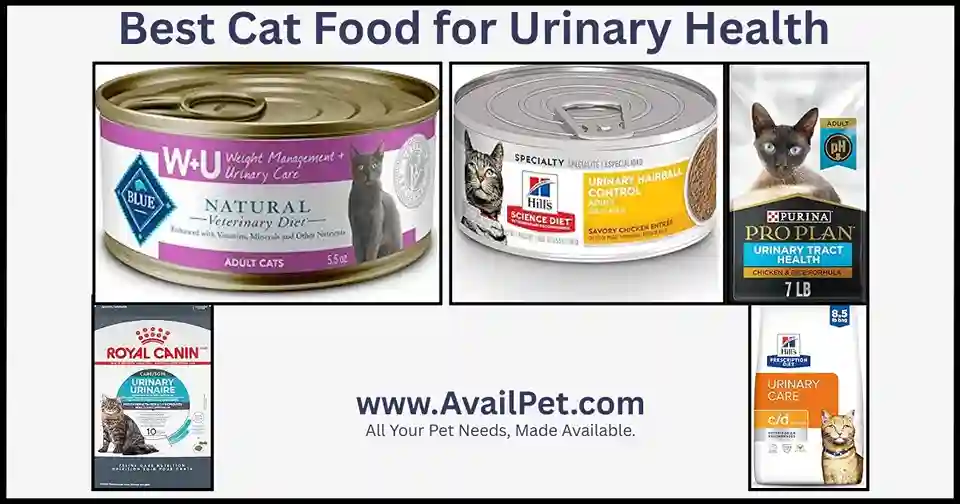
- Urinary Health Issues: Royal Canin Urinary SO® is the gold-standard diet for dissolving struvite crystals and preventing recurrence of Feline Lower Urinary Tract Disease (FLUTD).
- Chronic Kidney Disease (CKD): Royal Canin Renal Support formulas are precisely restricted in phosphorus and high-quality protein to reduce the kidney’s workload, a cornerstone of CKD management.
- Gastrointestinal Disorders: For cats with IBD, chronic diarrhea, or pancreatitis, Royal Canin Gastrointestinal formulas provide highly digestible nutrients and prebiotics to support gut healing.
- Critical Note: These diets require a veterinarian’s prescription, diagnosis, and ongoing monitoring. They are powerful tools that can be inappropriate or even harmful if used incorrectly.
2. For Purebred Cats with Breed-Specific Traits
Royal Canin’s breed-specific research translates into tangible benefits for owners of purebred cats.
- Persian & Exotic Shorthairs: The flat-faced kibble of Royal Canin Persian Cat Food encourages chewing, while the formula supports skin barrier health and reduces hairballs—addressing this breed’s top two concerns.
- Maine Coons & Ragdolls: Large breed formulas include nutrients for joint and cardiac health, with a kibble size and shape adapted for larger jaws.
- Siamese & Other Orientals: Formulas consider their potentially more sensitive digestion and higher metabolism.
3. For Life Stage Transitions and Critical Growth Periods
The nutritional needs of a kitten, adult, and senior cat are profoundly different. Royal Canin’s life-stage precision is valuable here.
- Kittens: Royal Canin Kitten and especially Mother & Babycat formulas are energy-dense and packed with developmental supports like DHA for brain development.
- See our detailed review: Royal Canin for Kittens: A Complete Feeding Guide.
- Seniors (Aging 12+): These formulas have adjusted protein/phosphorus levels, added joint supports, and enhanced palatability for aging senses.
4. For the “Problem” Eater: Picky or Convalescing Cats
Palatability is a non-negotiable feature. Royal Canin’s consistent success here makes it a frontline choice for:
- Cats recovering from illness or surgery who need to regain strength.
- Senior cats with declining appetite.
- Notoriously picky eaters who have rejected other high-quality brands.
So, is Royal Canin a “good” brand? Yes, unequivocally. It is a research-driven, high-quality, and trustworthy brand.
Is it the best brand for every cat? No. For a healthy, young mixed-breed cat with no specific issues, many premium foods could be excellent choices.
Its true “best” status is unlocked when its precision aligns with a specific need. If your cat fits into one of the scenarios above, Royal Canin is often the most scientifically-supported, effective choice you can make.
Given these specific use cases, let’s address the most common practical questions cat owners have before making a decision.
Royal Canin FAQ: Your Top Questions, Answered
You’ve seen the evidence and the ideal scenarios. Now, let’s tackle the specific, practical questions that linger in every cat owner’s mind. This FAQ cuts through the noise with direct, veterinarian-backed answers.
Is Royal Canin better than regular store-bought cat food?
It’s more specialized, not inherently “better” in a blanket sense. A grocery store brand that meets AAFCO standards provides basic nutrition. Royal Canin uses research to target specific outcomes—like urinary health or breed-specific digestion—that generic foods don’t address. For a healthy cat, the functional difference may be minimal. For a cat with a specific need, the difference can be significant and health-changing.
Why do vets recommend Royal Canin so often?
Vets “recommend” (we don’t “push”) brands like Royal Canin, Hill’s, and Purina Pro Plan because they are evidence-based tools. We trust them because of their:
- Consistent Quality Control: Crucial for managing chronic diseases.
- Scientific Research Backing: Formulas are clinically tested.
- Proven Clinical Results: We see them work reliably in practice.
In a medical context, predictability and proven efficacy are non-negotiable for patient safety.
Is Royal Canin too high in carbohydrates?
It depends entirely on the formula.
- Their standard adult maintenance diets are moderately carbohydrate-heavy, using digestible grains for energy.
- Their veterinary therapeutic diets are often specifically lower in carbohydrates. For example, Diabetic and Satiety Support formulas are carefully crafted with carbohydrate management as a key goal.
- Always check the guaranteed analysis of the specific formula you’re considering.
Can I feed Royal Canin without a vet prescription?
This is a critical distinction.
- YES, for their over-the-counter lines: Breed Health Nutrition, Life Stage (Kitten, Adult, Senior), and Special Care (Hairball, Indoor).
- NO, a prescription is legally required for their Veterinary Diet lines: Urinary SO, Renal, Gastrointestinal, Diabetic, etc. These are medical tools for diagnosed conditions and must be used under veterinary supervision.
What’s the real deal with Royal Canin ingredients and recalls?
Let’s separate the two:
- Ingredients: The “controversy” stems from marketing trends versus nutritional science. Ingredients like corn and by-products are used as functional, bioavailable nutrient sources to create precise nutrient profiles. The veterinary focus is on the overall nutrient profile and clinical outcome, which their research supports.
- Recalls: Like any major brand, they have had recalls (e.g., 2023 vitamin D). A brand’s transparency, speed of response, and post-recall safety enhancements are key trust indicators. Responsible brands have robust recall protocols—silence or inaction is a far greater red flag.
With these questions resolved, you’re equipped to make a final, confident decision. Let’s wrap up with your clear next steps.
Final Answer & Your Next Steps
You’ve navigated the science, the debates, and the specific use cases. Now, let’s distill everything into a clear, actionable conclusion.
The Final Verdict: Is Royal Canin Good for Cats?
Yes, Royal Canin is a good—and often exceptional—choice for cats. It is a research-driven, high-quality brand that earns its veterinary reputation through precision, consistency, and proven clinical results.
However, the more meaningful answer is this: Royal Canin is at its best when its precision meets a specific need. It transitions from being a “good food” to being the optimal nutritional tool for:
- Managing a diagnosed health condition.
- Supporting a purebred cat’s known traits.
- Nourishing a kitten or senior through critical life stages.
- Ensuring a picky or recovering cat gets essential calories.
For a completely healthy adult mixed-breed cat with no specific concerns, many premium foods are suitable. Royal Canin’s value—and justification for its premium cost—becomes most apparent when there is a targeted goal to achieve.
Your 4-Step Action Plan
Step 1: Assess Your Cat’s Profile
Honestly evaluate: Is your cat a kitten, senior, or specific breed? Are there any ongoing health issues (urinary problems, vomiting, sensitive stomach)? Your answers here will point you to the right Royal Canin line.
Step 2: Consult Your Veterinarian (The Most Important Step)
- For any health concerns, a veterinary visit is mandatory. Do not self-diagnose or self-prescribe a veterinary diet.
- Discuss your findings from this article. Your vet can confirm your cat’s ideal weight, run necessary tests, and provide a prescription if needed.
- Ask: “Based on my cat’s health profile, is a Royal Canin formula appropriate, and if so, which one?”
Step 3: Source Authentically
To guarantee safety and authenticity:
- Veterinary Clinics: The primary source for prescription (Veterinary Diet) formulas.
- Official Royal Canin Website or Authorized Online Retailers: For over-the-counter formulas, ensure you’re buying from a verified seller to avoid counterfeits.
Step 4: Transition Slowly and Observe
Once you have the right food, transition over 7-10 days, mixing increasing amounts of the new food with the old. This prevents GI upset. Observe your cat’s appetite, energy, litter box habits, and coat condition.
For a complete overview of every formula and a step-by-step choosing guide, return to our master resource: Royal Canin Cat Food: A Veterinarian’s Guide to Formulas, Benefits, and Choosing the Right One.
By following this process, you move beyond the question of “Is it good?” to making a confident, individualized choice for your cat’s long-term health and happiness.
Disclaimer: The information provided in this article is for educational and informational purposes only and is not intended as veterinary medical advice, diagnosis, or treatment. Always consult your own veterinarian or a qualified veterinary professional regarding any health concerns or dietary changes for your pet. The author and AvailPet.com are not responsible for any decisions made or actions taken based on the content of this article. Therapeutic diets, including Royal Canin Veterinary Diets, should only be used under the direct supervision and prescription of a licensed veterinarian.
Sources: