Feline Growth & Development Specialist
Reviewed by Dr. Allona Jackson, DVM
Clinically reviewed for DHA cognitive levels, microbiome support, and 2026 AAFCO growth-phase mineral balancing standards.
Key Takeaways: Best Kitten Food
- Prioritize Protein & Fat: Look for food with high levels of animal-based protein (at least 30%) and fat (around 20%) to fuel growth and development, not fillers like corn and wheat.
- Check for AAFCO Approval: The label must state the food is “complete and balanced for growth” or “all life stages” to ensure it meets a kitten’s unique nutritional needs.
- Wet vs. Dry Has Key Benefits: Wet food provides essential hydration, while high-quality dry kibble is convenient and supports dental health. Many owners use a mix of both.
- Transition Food Slowly: Avoid stomach upset by gradually mixing new food with the old over 7-10 days. For a detailed breakdown of portions, see our guide on how much to feed a kitten.
Bringing a new kitten home is a joyful adventure, filled with playful pounces and curious purrs. In these first critical months, the food you choose is more than just a meal—it’s the essential building block for your cat’s lifelong health, influencing everything from their bone strength and brain development to the shine of their adult coat.
With countless bags and cans all claiming to be the “best,” how can you be sure you’re making the right choice for your growing feline? The wrong nutrition can lead to a lackluster coat, low energy, or even more serious developmental issues.
This guide is here to clear the confusion. We’ve analyzed the latest formulas and consulted with veterinary nutrition experts to bring you our top picks for the best kitten food of 2026. We’ll not only show you what to feed but explain why it matters, providing you with a complete roadmap—from understanding labels to creating a perfect feeding schedule—so you can nourish your kitten with confidence.
What Makes Kitten Food Different? Understanding Kitten Nutrition
Kittens are not simply small adult cats. They are energetic, rapidly growing beings whose bodies are building bone, muscle, and brain tissue at an astonishing rate. To support this intense development, kitten food is specially formulated to be a concentrated source of specific nutrients that adult maintenance diets don’t provide in the same quantities.
The Power of Protein & Fat
- High-Quality Animal Protein: Protein is the fundamental building block for your kitten’s body. They need significantly more of it than adult cats—typically 30-40% of their calories should come from high-quality, animal-based sources like chicken, salmon, or turkey. This supports everything from muscle development to a robust immune system.
- Elevated Fat Levels: Fat provides the dense energy kittens need for their boundless play and is crucial for the development of a healthy brain and nervous system, primarily through fatty acids like DHA (Docosahexaenoic Acid).
Essential Nutrients for Growth
Beyond macronutrients, specific micronutrients are vital:
- DHA: An omega-3 fatty acid vital for optimal brain and vision development.
- Calcium & Phosphorus: These minerals must be present in the correct ratio to support the rapid growth of strong bones and teeth.
- Calorie Density: Kittens have small stomachs but high energy needs. Their food must be calorie-dense to provide enough fuel in a small serving.
The AAFCO Seal of Approval
The most critical thing to look for on any kitten food label is the AAFCO (Association of American Feed Control Officials) statement. This certifies the food is “complete and balanced” through rigorous testing. For kittens, the label must confirm it is formulated for “growth” or “all life stages.” This is your non-negotiable guarantee that the food meets the minimum nutritional requirements for a growing kitten.
Our Top Picks: Best Kitten Food of 2026
To help you make the best choice, our team has evaluated dozens of formulas based on nutritional completeness, ingredient quality, brand reputation, and real-world feedback from kitten owners. Here are our top-rated kitten foods for 2026.
A Quick Note: We’ve provided convenient links to Amazon. As an affiliate, AvailPet earns from qualifying purchases, which supports our research at no extra cost to you.
1. Best Overall Kitten Food: Royal Canin Feline Health Nutrition Kitten

- Form: Dry
- Primary Protein: Chicken
- Key Benefit: Precisely balanced nutrients with an antioxidant complex and tailored kibble for small jaws.
- ✅ Check Price: View on Amazon
Best For: New kitten owners seeking a scientifically-formulated, all-around excellent diet trusted by breeders and veterinarians alike.
For breed-specific or tailored veterinary nutrition, explore our review of Royal Canin Kitten Food.
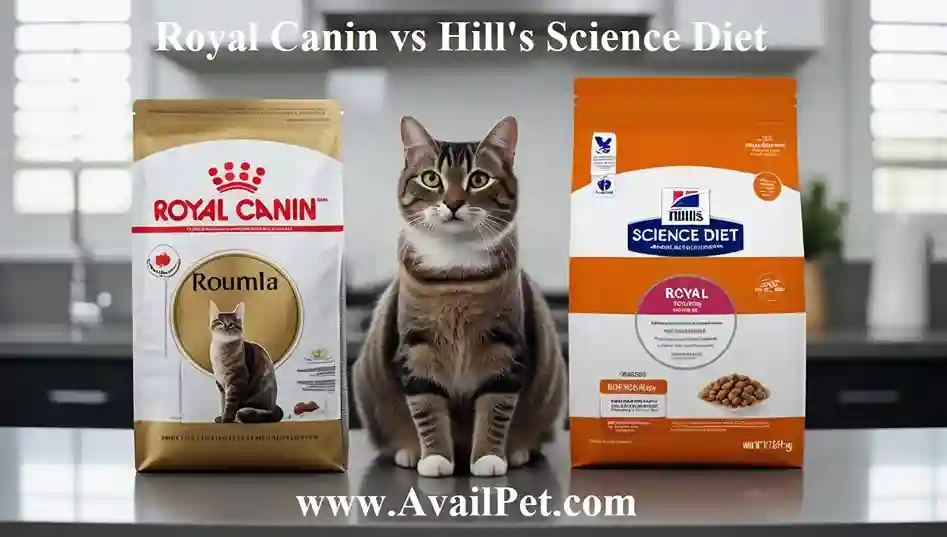
Can’t decide between these two vet-recommended brands? Our in-depth comparison of Royal Canin vs. Hill’s Science Diet breaks down the differences to help you choose.
2. Best Wet Kitten Food: Blue Buffalo Kitten Pate

- Form: Wet
- Primary Protein: Chicken or Salmon
- Key Benefit: High-protein, grain-free formula with DHA for brain development and life-source bits for immune support.
- ✅ Check Price: View on Amazon
Best For: Providing optimal hydration and a protein-rich diet that aligns with a cat’s natural nutritional needs.
Owners committed to a grain-free, high-protein diet should consider Blue Buffalo Wilderness Kitten. Explore our detailed Blue Buffalo Wilderness Kitten Food review for a breakdown of its meat-first formula.
3. Best Dry Kitten Food: Hill’s Science Diet Kitten Chicken Recipe

- Form: Dry
- Primary Protein: Chicken
- Key Benefit: Balanced minerals for strong bones and teeth with clinically-proven antioxidant blend.
- ✅ Check Price: View on Amazon
Best For: Reliable, vet-recommended nutrition from a brand with a long history of scientific research and quality control.
For pet parents who prioritize scientifically-formulated, foundational health, our top pick is Hill’s Science Diet Kitten. Read our in-depth 2026 Hill’s Science Diet Kitten Food review for a detailed analysis of its bone and immune support benefits.
Can’t decide between these two vet-recommended brands? Our in-depth comparison of Royal Canin vs. Hill’s Science Diet breaks down the differences to help you choose.
4. Best for Sensitive Stomachs: Purina Pro Plan Kitten Salmon & Rice

- Form: Dry & Wet
- Primary Protein: Salmon
- Key Benefit: Features live probiotics for digestive and immune health, with easily digestible rice and salmon.
- ✅ Check Price: View on Amazon
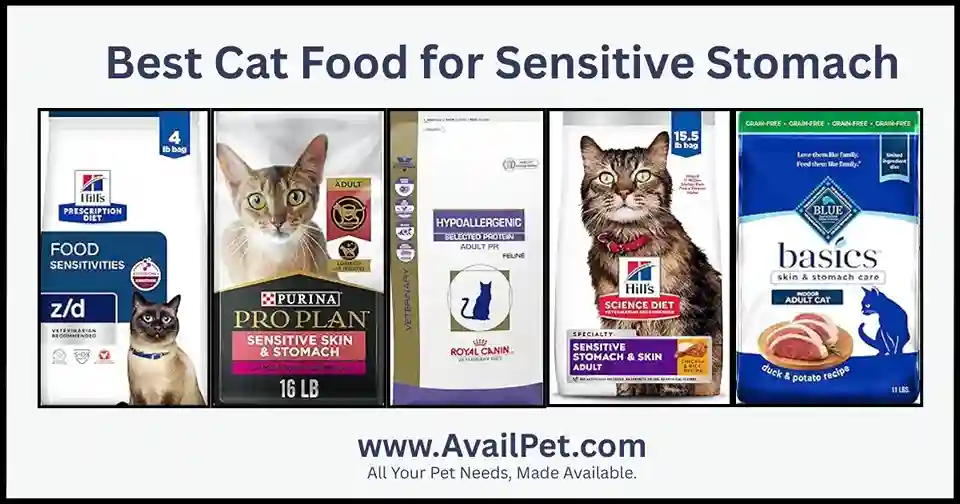
If your kitten has a sensitive stomach, we highly recommend Purina Pro Plan Kitten with its live probiotics. See our full Purina Pro Plan Kitten Food review to understand why it’s our chosen digestive health champion.
Best For: Kittens who experience digestive upset or have sensitive systems, ensuring they get the nutrients they need without irritation. This is our top pick in our dedicated roundup of the best kitten food for sensitive stomach.
5. Best Grain-Free Option: Wellness CORE Grain-Free Kitten Recipe

- Form: Dry
- Primary Protein: Chicken & Turkey
- Key Benefit: High-protein, grain-free recipe with boosted calories for energy, plus DHA for cognitive development.
- ✅ Check Price: View on Amazon
Best For: Owners who prefer a grain-free diet with maximum meat protein and nutrient density from whole foods.
For the ultimate in grain-free, maximum meat content, our premium choice is Wellness CORE Kitten. Dive into our comprehensive Wellness CORE Kitten Food review to see if its high-density nutrition is right for your kitten.
Kitten Food Comparison Table
Use this table to quickly compare our top-rated kitten foods based on their key features and ideal use case.
| Product (Full Review) | Type | Primary Protein | Key Benefit | Best For |
| Royal Canin Kitten | Dry | Chicken | Tailored kibble & precise nutrition | Best Overall for comprehensive, science-backed growth. |
| Blue Buffalo Wilderness Kitten | Wet | Chicken/Salmon | High-protein, grain-free with DHA | Wet Food Lovers needing high moisture & protein. |
| Hill’s Science Diet Kitten | Dry | Chicken | Balanced minerals & antioxidant blend | Vet-Recommended reliability for bone and immune health. |
| Purina Pro Plan Kitten | Dry & Wet | Salmon | Live probiotics for digestion | Sensitive Stomachs and easy digestion. |
| Wellness CORE Kitten | Dry | Chicken & Turkey | Grain-free, high-protein, calorie-dense | Grain-Free Diet seekers with maximum meat content. |
Important Reminder: Always look for the AAFCO statement confirming the food is formulated for “growth” or “all life stages” to ensure it meets your kitten’s nutritional needs.
How We Choose: Our Kitten Food Selection Criteria
At AvailPet, we take our recommendations seriously. We know you’re trusting us with the health of your growing kitten, which is why we’ve developed a rigorous, multi-point evaluation process to ensure every food we suggest is safe, nutritious, and effective.
Here are the key criteria every product must meet:
- AAFCO Nutritional Adequacy: This is our first and most important filter. Any food we recommend must have an AAFCO statement on the label verifying it is “complete and balanced for growth” or “for all life stages.” This is the baseline guarantee that it meets minimum nutritional standards.
- Ingredient Quality & Sourcing: We prioritize foods with high-quality, named animal proteins (like “deboned chicken” or “salmon”) as the first ingredients. We assess the quality of carbohydrates, fats, and the inclusion of beneficial supplements like DHA and probiotics.
- Brand Reputation & Safety: We heavily favor established brands with a long history of quality control, scientific research, and transparency. We diligently review recall history and manufacturing standards to ensure the brands we recommend prioritize safety above all else.
- Palatability & Real-World Results: The most nutritious food is useless if your kitten won’t eat it. We analyze consistent feedback from thousands of user reviews and veterinary reports to gauge real-world acceptance and effectiveness, ensuring our picks are loved by both kittens and their owners.
By applying this consistent, transparent framework, we provide you with kitten food recommendations you can truly trust.
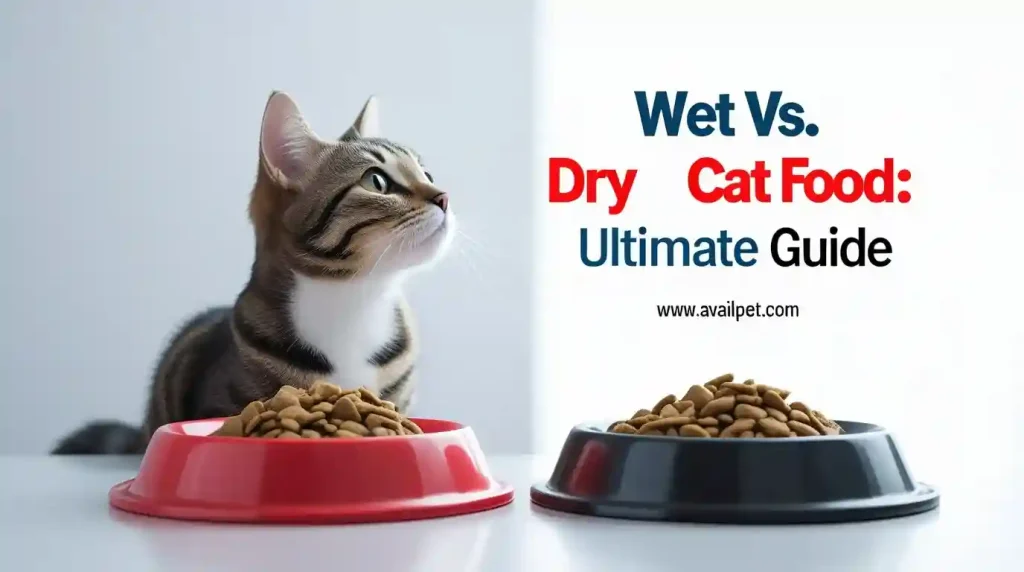
Wet vs. Dry Kitten Food: The Great Debate
Both wet and dry food can be excellent choices for your kitten, but they each offer distinct advantages. Understanding these differences will help you make the best decision for your lifestyle and your kitten’s needs.
Wet Kitten Food: The Hydration Hero
- Pros:
- High Moisture Content (75-80%): This is the biggest benefit. It helps support kidney health and ensures your kitten stays well-hydrated, which is especially important since cats have a low thirst drive.
- High Palatability: The rich aroma and texture are often more appealing to picky eaters.
- High Protein: Typically higher in animal-based protein.
- Cons:
- More Expensive: Costs more per serving than dry food.
- Shorter Shelf Life: Once opened, it must be refrigerated and used quickly.
- Dental Health: Does not provide the mechanical scraping action that can help reduce tartar.
Dry Kitten Food: The Convenience Champion
- Pros:
- Convenience & Cost: Can be left out for free-feeding without spoiling, and is generally more budget-friendly.
- Dental Benefits: The crunchy kibble can help scrape away plaque and tartar.
- Energy Density: Provides more calories in a smaller volume, good for tiny stomachs.
- Cons:
- Low Moisture (10%): Relies on your kitten drinking enough water separately to stay hydrated.
- Higher Carbohydrates: Often contains more carbohydrates and fillers than wet food.
Many experts recommend a mixed feeding approach, combining both wet and dry food. This gives your kitten the hydration and palatability of wet food with the dental and convenience benefits of dry kibble.
For a complete breakdown of this topic, see our comprehensive guide on Wet vs. Dry Cat Food.
Your Kitten Feeding Guide & Schedule
Getting the right amount of food is just as important as choosing the right food. This guide will help you determine how much to feed and establish a healthy routine.
How Much to Feed a Kitten?
Kitten feeding amounts depend on age and weight. Use this chart as a general guide, but always follow the specific instructions on your kitten food’s packaging, as calorie content varies by brand.
| Kitten’s Age | Daily Feeding Frequency | Estimated Daily Amount (Dry Food) |
| 6 – 12 weeks | 4 times | ⅓ to ¾ cup |
| 12 – 24 weeks | 3 times | ¾ to 1 cup |
| 24 weeks – 1 year | 2 times | ½ to ¾ cup |
Note: Amounts are approximate. Adjust based on your kitten’s body condition, activity level, and whether you’re also feeding wet food.
Sample Kitten Feeding Schedule
A consistent schedule helps with potty training and prevents overeating.
- 8 weeks – 6 months:
- 7:00 AM: Breakfast.
- 12:00 PM: Lunch.
- 5:00 PM: Dinner.
- 10:00 PM: Late-night snack.
- 6 months – 1 year:
- 7:00 AM: Breakfast.
- 6:00 PM: Dinner.
How to Transition to a New Kitten Food
Switching foods too quickly can cause stomach upset. Follow this gradual transition over 7-10 days:
- Days 1-2: 75% old food + 25% new food.
- Days 3-4: 50% old food + 50% new food.
- Days 5-7: 25% old food + 75% new food.
- Days 8-10: 100% new food.
If you notice vomiting or diarrhea, slow down the transition process. If your kitten refuses the new food entirely, our guide on a kitten not eating can help.
FAQs About Best Kitten Food
When should I switch from kitten to adult cat food?
Most cats should transition to adult food around 12 months of age. Our complete guide on when to switch from kitten to cat food covers the signs of readiness and a step-by-step transition plan.
Can my kitten eat adult cat food?
No. Kitten food is specifically formulated with higher levels of protein, fat, and essential nutrients like DHA to support rapid growth and development. Adult cat food lacks these crucial nutrients in the right proportions and could lead to developmental deficiencies.
How do I know if my kitten has a food allergy?
Common signs of food allergies in kittens include itchy skin (especially around the face and ears), digestive issues like vomiting or diarrhea, and chronic ear infections. If you suspect an allergy, consult your veterinarian for diagnosis and guidance on an elimination diet.
Is grain-free food bad for kittens?
Not necessarily, but it’s not automatically better either. Most kittens digest grains perfectly well. The focus should be on high-quality animal protein as the primary ingredient. Recent veterinary research has raised concerns about a potential link between certain grain-free diets and heart disease in cats, so it’s important to discuss this choice with your vet.
Conclusion & Final Recommendation
Choosing the right food for your kitten is one of the most important decisions you’ll make as a new pet owner. The goal is simple: to provide a nutritional foundation that supports healthy growth, boundless energy, and a long, vibrant life.
Our top pick, Royal Canin Feline Health Nutrition Kitten, stands out for its scientifically-formulated balance of nutrients, making it an excellent choice for most kittens. However, the “best” food is ultimately the one that meets your kitten’s individual needs—whether that’s the digestive support of Purina Pro Plan, the high-protein focus of Blue Buffalo Wilderness, or the vet-recommended reliability of Hill’s Science Diet.
Remember the key principles:
- Prioritize Protein: Look for high-quality animal protein as the first ingredient.
- Check for AAFCO Approval: Ensure the label states it’s for “growth” or “all life stages.”
- Consider a Mixed Diet: Combining wet and dry food offers both hydration and dental benefits.
- Follow a Schedule: Consistent feeding times support healthy growth and house training.
By combining these guidelines with regular veterinary care, you’re giving your kitten the best possible start. Trust your instincts, observe your kitten’s energy and body condition, and enjoy this special time of growth and discovery together.
Sources
- AAFCO Nutritional Standards
- WSAVA Global Nutrition Guidelines
- Cornell Feline Health Center – Kitten Care
- Royal Canin Kitten
- Hill’s Science Diet Kitten
- Purina Pro Plan Kitten
- Blue Buffalo Wilderness Kitten
- Wellness CORE Kitten
Disclaimer: The information on AvailPet is for educational purposes only and is not veterinary advice. Always consult your veterinarian before changing your pet’s diet or healthcare routine. We may earn from qualifying purchases.