Nutritional Verification
Reviewed by Dr. Allona Jackson, DVM
Clinically audited for feline metabolic needs, hydration science, and 2026 nutritional guidelines.
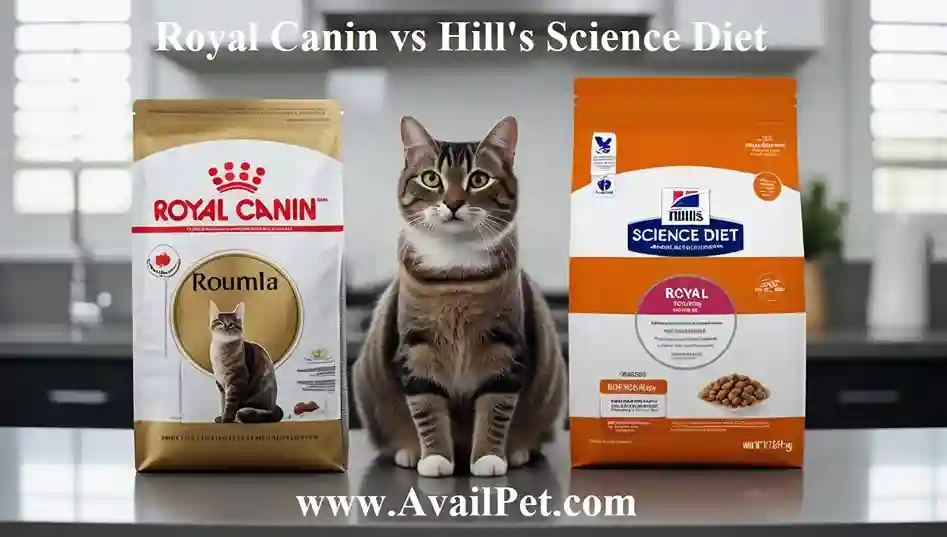
One of the biggest and most common decisions every cat owner faces is the great wet vs dry cat food debate. As you stare at the endless aisles of kibble and cans, it’s easy to feel overwhelmed. Each type boasts different benefits, and every cat owner seems to have a strong opinion.
But what does science say? How do you cut through the marketing claims to find what’s genuinely best for your unique feline friend? This comprehensive, vet-reviewed guide is designed to do exactly that. We will walk you through a clear, evidence-based comparison of the pros and cons of wet and dry cat food, examining everything from ingredient quality and moisture content to cost and convenience. Our goal is to empower you with the knowledge you need to make a confident, informed decision that supports your cat’s long-term health and happiness.
What the Science Says: Understanding Wet and Dry Cat Food
Before diving into the pros and cons of wet and dry cat food, it’s crucial to understand their fundamental differences. This isn’t just about texture or convenience—it’s about basic feline biology and nutrition.
At its core, the wet vs dry cat food debate revolves around one key element: moisture content.
Wet Food (Canned/Pouches):
- Moisture Content: Approximately 75-85% water
- Texture: Soft, pâté, chunks in gravy, or shredded
- Primary Processing: Cooked at high temperatures inside sealed packaging
Dry Food (Kibble):
- Moisture Content: Only 6-10% water
- Texture: Hard, crunchy pieces
- Primary Processing: Extrusion—where ingredients are mixed, cooked under high pressure, and pushed through a die to form kibble shapes
Why Moisture Matters So Much:
Cats are descendants of desert-dwelling animals and naturally have a low thirst drive. Their bodies are designed to get most of their hydration from their prey. This is why the moisture content in your cat’s food is one of the most critical factors in the wet vs dry cat food decision. A diet of only dry food places the burden on the cat to drink enough water, which many fail to do, potentially leading to chronic mild dehydration.
Furthermore, the extrusion process used to make kibble requires a high amount of carbohydrates to form the kibble’s structure. This is a key differentiator when evaluating the canned cat food vs dry debate, as wet food typically contains significantly fewer carbohydrates.
Understanding these scientific and manufacturing differences provides the essential foundation for weighing the specific advantages and disadvantages of each type, which we will explore in detail in the next section.
The Pros and Cons of Wet Cat Food: A Deep Dive
When evaluating the wet vs dry cat food dilemma, it’s essential to look closely at the specific advantages and disadvantages of each option. Let’s start with a detailed analysis of canned cat food vs dry, beginning with wet food.
The Pros of Wet Cat Food:
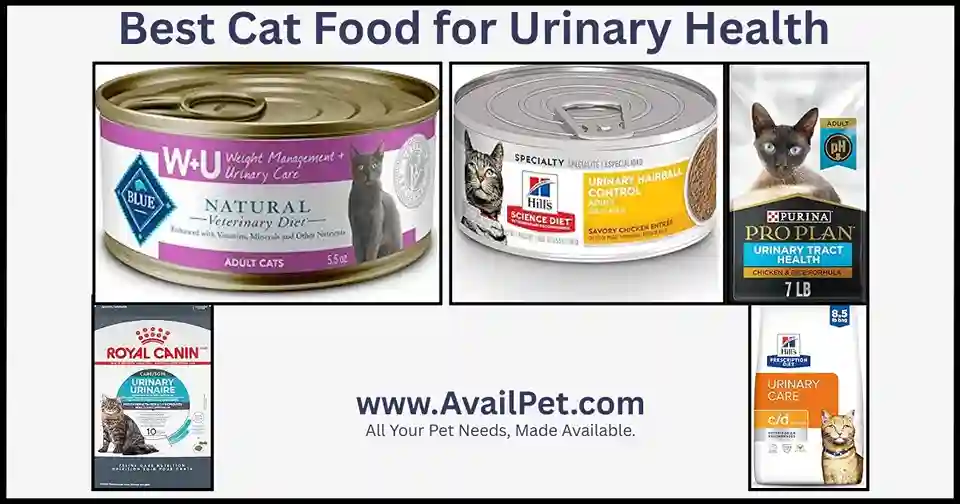
Superior Hydration: This is the most significant benefit. With a moisture content of 75-85%, wet food helps support your cat’s kidney function and urinary tract health. It can be a crucial dietary choice for cats prone to Urinary Tract Infections (UTIs) or crystals. This is a vital factor in preventing common issues like urinary tract infections and crystals. For a deep dive into specialized diets for this purpose, see our guide on the Best Cat Food for Urinary Health.
Higher Protein, Lower Carbs: Wet food formulas often have a higher percentage of animal-based protein and fewer carbohydrates than dry food. This macronutrient profile is closer to a cat’s natural carnivorous diet.
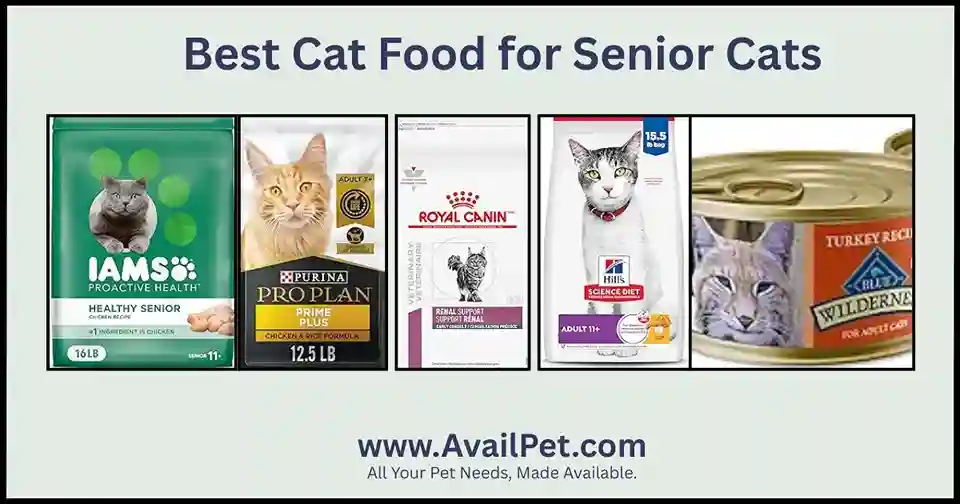
Enhanced Palatability: The rich aroma and soft texture are typically more appealing to cats, especially picky eaters, seniors with dental issues, or cats recovering from illness. As cats enter their senior years, their nutritional needs evolve beyond just texture. Our resource on the Best Cat Food for Senior Cats covers all aspects of age-appropriate nutrition.
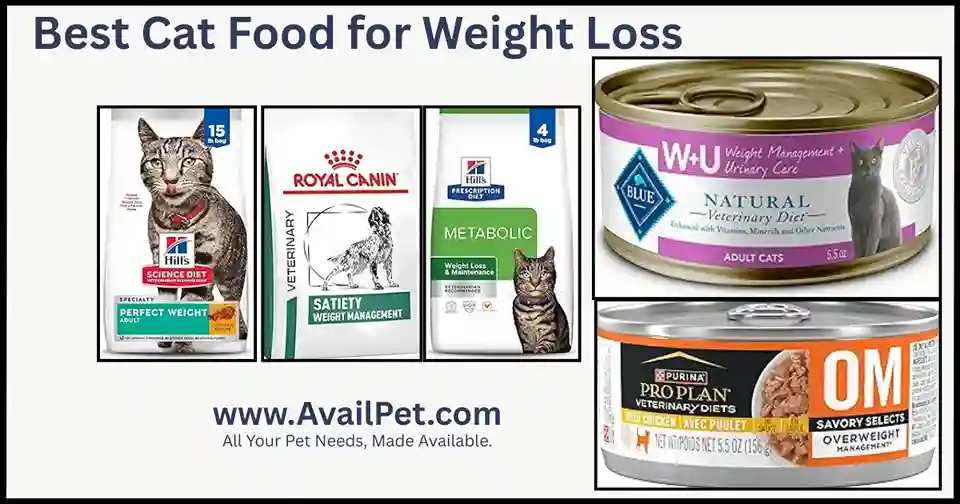
Helps with Weight Management: Wet food is less calorie-dense than dry food. Cats can eat a larger, more satisfying volume for fewer calories, which helps them feel full while managing their weight. If managing your cat’s weight is a primary goal, our dedicated article on the Best Cat Food for Weight Loss provides specific product recommendations and proven feeding strategies.
The Cons of Wet Cat Food:
Higher Cost: Ounce for ounce, canned cat food vs dry is almost always more expensive. This can add up significantly, especially in multi-cat households.
Shorter Shelf Life: Once opened, wet food must be refrigerated and used within a few days. An open can left out for more than 30 minutes can quickly spoil and attract bacteria.
Dental Health Concerns: A common question in the wet vs dry cat food debate is about teeth. The soft texture of wet food does not provide the abrasive scraping action that crunchy kibble can, which means it doesn’t help clean tartar from teeth. A dedicated dental care routine is essential.
Inconvenience: It requires more effort—opening cans, storing leftovers, and cleaning bowls more frequently to prevent dried-on, smelly residue.
Understanding these pros and cons of wet and dry cat food provides a clear picture of when wet food might be the best choice for your cat’s specific needs.
The Pros and Cons of Dry Cat Food: A Detailed Look
Now let’s examine the other side of the wet vs dry cat food debate. Dry kibble remains incredibly popular, but understanding its specific advantages and limitations is key to making the right choice.
The Pros of Dry Cat Food:
Convenience and Cost-Effectiveness: This is perhaps the biggest draw. Kibble can be left out for free-feeding without spoiling, making it easier for busy pet owners. It’s also generally more affordable than wet food, both per bag and per serving.
Dental Health Benefits: The crunchy texture of kibble can provide mechanical scraping that helps reduce tartar buildup. While not a substitute for proper dental care, this can contribute to better oral health compared to a wet-food-only diet.
Energy Density: For active cats or those who need to gain weight, dry food provides more calories in a smaller volume. This makes it easier for them to meet their energy requirements.
Long Shelf Life: An unopened bag of dry food can last for months, and even once opened, it remains fresh for weeks when stored properly. This reduces waste and allows for bulk purchasing.
The Cons of Dry Cat Food:
Low Moisture Content: This is the most significant concern in the wet vs dry cat food discussion. Cats eating only kibble often don’t drink enough water to compensate, which can lead to chronic mild dehydration and increase the risk of urinary and kidney issues.
Higher Carbohydrate Content: The extrusion process used to make kibble requires carbohydrates to maintain its shape. Many dry foods contain significantly more carbs than a cat’s natural diet would include, which can be problematic for diabetic or overweight cats.
Quality Variation: The range of quality in dry foods is enormous. While there are excellent high-protein, low-carb options available, there are also many products filled with fillers and by-products that offer little nutritional value.
Palatability Issues: Some cats, particularly older ones or those with dental problems, may find dry food difficult to chew and less appealing than wet food.
When considering whether wet or dry food is better for cats, these factors highlight that dry food works well for some lifestyles and cats, but requires careful selection and attention to your cat’s water intake.
How to Choose: Key Factors from a Feline Health Perspective
Now that we’ve examined the pros and cons of wet and dry cat food, how do you decide what’s truly best for your cat? The answer to “is wet or dry food better for cats” isn’t universal—it depends on several key factors related to your cat’s individual needs.
Your Cat’s Age and Life Stage
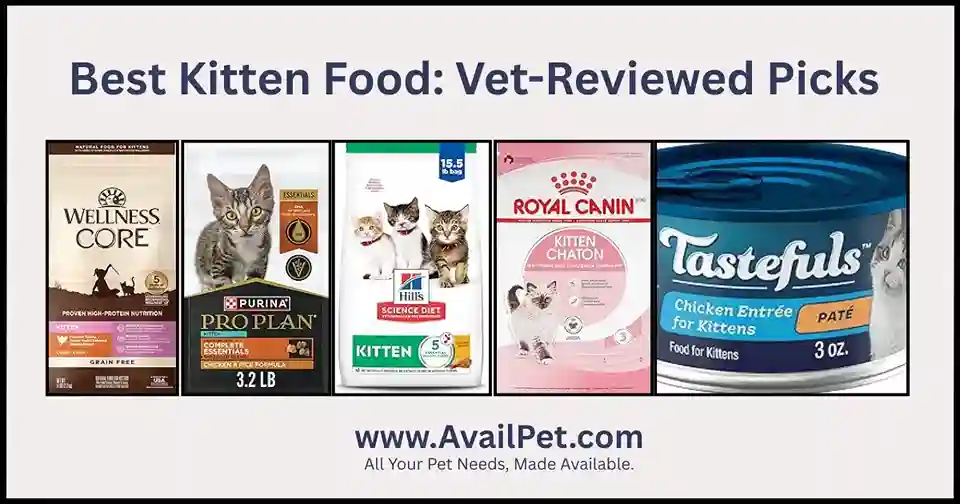
Kittens: Growing kittens need more calories and specific nutrients. Both high-quality wet and dry kitten food can work, but many veterinarians recommend wet food for its easier chewing and hydration benefits. A growing kitten has vastly different nutritional requirements than an adult or senior cat. Our guide to the Best Kitten Food will help you make the perfect choice for a developing pet.
Adults: Healthy adult cats can thrive on either, but consider their activity level and weight.
Seniors: Older cats often benefit from wet food’s softer texture and higher moisture content, especially if they have dental issues or kidney concerns.
Health Conditions and Special Needs
This is where the wet vs dry cat food decision becomes most crucial:
Urinary/Kidney Issues: Wet food is typically recommended due to its high moisture content.
Diabetes: Lower-carbohydrate wet foods are often preferred, though some prescription dry foods are formulated for diabetic cats.
Dental Disease: While dry food may help with tartar, cats with significant dental pain often need wet food’s soft texture.
Weight Management: Both can work—wet food helps with satiety, while controlled portions of dry food can be effective.
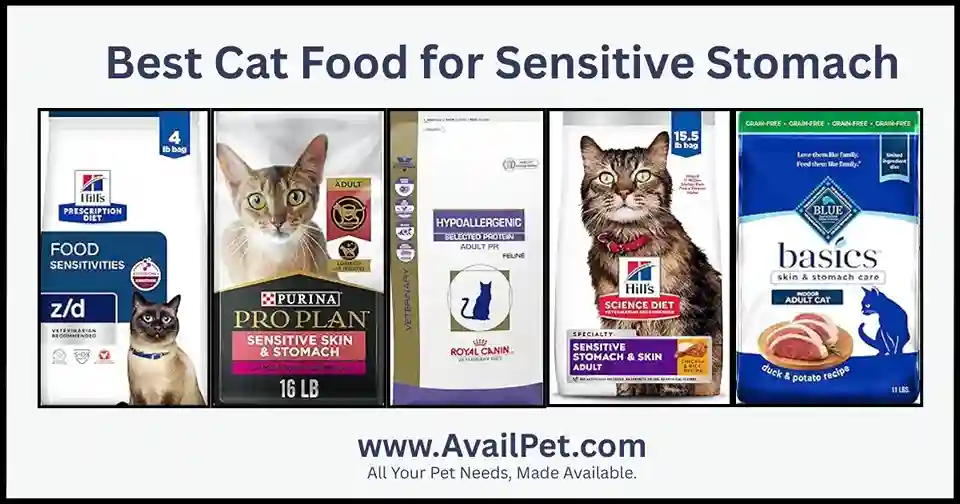
Specific Health Concerns: Cats with conditions like a sensitive stomach may benefit greatly from one type over the other. For tailored advice, see our in-depth guide to the Best Cat Food for Sensitive Stomach.
Important Veterinary Note: Always consult your veterinarian for diagnosis and a personalized dietary plan for any health condition. The information here is educational, not medical advice.
Your Cat’s Preferences and Behavior
Picky Eaters: Many cats prefer wet food’s aroma and texture.
Slow Eaters: Dry food can be left out longer.
Overeaters: Controlled portions of either type can work, though wet food may provide more volume for fewer calories.
Your Budget and Lifestyle
Cost: Dry food typically costs less, but consider potential future health costs when making your wet vs dry cat food decision.
Convenience: Dry food works better for busy households and automatic feeders.
Multi-Cat Homes: You may need to offer both types to meet different cats’ needs.
The best approach to the wet vs dry cat food question involves weighing these factors against the pros and cons we’ve discussed. Many cat owners find that a combination of both types offers the ideal balance, which we’ll explore next.
The Combined Feeding Approach: Getting the Best of Both Worlds
For many cat owners, the solution to the wet vs dry cat food debate isn’t an either/or choice. A combined feeding approach can offer the perfect balance, giving your cat the benefits of both types of food while minimizing their drawbacks.
Benefits of Mixing Wet and Dry Food
Optimal Hydration & Nutrition: By incorporating wet food into your cat’s diet, you ensure they get adequate moisture while still benefiting from the dental advantages and convenience of dry kibble.
Enhanced Mealtime Experience: The variety of textures and flavors can make mealtime more exciting for your cat, which is especially helpful for picky eaters.
Dietary Flexibility: This approach allows you to tailor portions more precisely for weight management and adjust easily to your cat’s changing health needs.
Sample Feeding Schedule
Here’s a balanced approach to implementing the wet vs dry cat food combination:
- Morning: 1/4 can of wet food
- Evening: 1/4 can of wet food
Available throughout day: Measured portion of dry food (approximately 1/4 cup for average adult cat)
Adjust portions based on your cat’s weight, age, and activity level. Always follow package guidelines and your veterinarian’s recommendations.
How to Successfully Transition
When introducing a new feeding routine in your wet vs dry cat food journey:
- Start by replacing just one meal every few days.
- Gradually increase wet food portions over 7-10 days.
- Reduce dry food quantities to maintain proper calorie intake.
- Monitor your cat’s weight and adjust portions as needed.
Portion Control Tips
- Use a kitchen scale or measuring cup for accuracy.
- Factor in treats as part of daily calorie intake.
- Monitor your cat’s body condition and adjust accordingly.
- Consider using a timed feeder for dry food portions.
This balanced approach to the wet vs dry cat food question allows you to customize your cat’s nutrition while enjoying the practical benefits of both food types.
Our Vet-Reviewed Product Selection Criteria
At Avail Pet, we understand that trust is earned. When we make recommendations in the wet vs dry cat food debate, we want you to know exactly how we evaluate products. Our selection process is rigorous and transparent, focusing on science-backed standards that prioritize feline health.
Nutritional Adequacy (The AAFCO Statement)
The first thing we look for is the AAFCO (Association of American Feed Control Officials) statement. This ensures the food is “complete and balanced” for a specific life stage (kitten, adult, senior). Any food we recommend must meet or exceed these nutritional standards.
Ingredient Quality and Sourcing
While ingredients are listed by weight, we pay close attention to:
Named Protein Sources: We look for specific, high-quality animal proteins (like “chicken” or “salmon”) rather than vague terms (“meat by-products”).
Carbohydrate Content: Especially in dry food, we note the type and amount of carbohydrates, preferring foods with lower glycemic ingredients.
Avoidance of Artificial Additives: We prioritize foods free from artificial colors, flavors, and preservatives like BHA/BHT.
Brand Reputation and Transparency
We research each manufacturer’s:
Quality Control Processes: Brands with strict safety protocols and regular testing earn higher marks.
Recall History: We consider how a company handles and communicates about product recalls.
Manufacturing Facilities: Companies that own their manufacturing plants typically have better quality control.
Scientific Formulation
The best wet vs dry cat food options are developed by veterinary nutritionists, not marketing teams. We prioritize brands that:
- Employ board-certified veterinary nutritionists.
- Conduct feeding trials rather than just laboratory analysis.
- Invest in ongoing research and development.
Real-World Testing and Reviews
While scientific standards are crucial, we also consider:
- Palatability and acceptance by cats of various ages and breeds.
- Digestive tolerance and stool quality.
- Consistency in formulation and availability.
By applying these rigorous criteria to every product we review, we ensure our recommendations in the wet vs dry cat food discussion are trustworthy and focused on your cat’s health and wellbeing.
Top-Rated Wet and Dry Food Options
Based on our vet-reviewed selection criteria, here are our top recommendations for both sides of the wet vs dry cat food debate. These products represent excellence in nutrition, quality, and feline health support.
Premium Wet Food Choices
1. Hill’s Science Diet Adult Perfect Digestion
Best For: Cats with sensitive stomachs
Why We Recommend: Contains prebiotic fiber to support gut health and promote nutrient absorption. Formulated by veterinarians and nutritionists.
Key Feature: Highly digestible formula with natural ingredients
Best For: Urinary health support
Why We Recommend: Specifically designed to maintain urinary tract health while providing complete nutrition
Key Feature: Low magnesium content and promotes healthy urine pH
3. Purina Pro Plan Complete Essentials
Best For: Everyday nutrition with high palatability
Why We Recommend: Balanced nutrition with real meat as first ingredient, plus essential vitamins and minerals
Key Feature: Fortified with live probiotics for digestive and immune health
Premium Dry Food Choices
1. Blue Buffalo Wilderness High Protein
Best For: Grain-free, high-protein diet seekers
Why We Recommend: Rich in protein with real chicken, containing Blue’s exclusive LifeSource Bits
Key Feature: No poultry by-product meals, corn, wheat, or soy
2. Iams Proactive Health Indoor Weight & Hairball Care
Best For: Indoor cats with weight and hairball concerns
Why We Recommend: Combines weight control with hairball management in an affordable formula
Key Feature: L-carnitine to support metabolism and healthy weight
3. Wellness CORE Grain-Free Original
Best For: Natural, grain-free nutrition
Why We Recommend: High-protein formula with premium ingredients like deboned turkey and chicken meal
Key Feature: Guaranteed levels of omega fatty acids for skin and coat health
Best Mixed Feeding Combinations
For those embracing both sides of the wet vs dry cat food discussion:
Combination 1: The All-Round Health Approach
Dry: Hill’s Science Diet Adult Optimal Care
Wet: Royal Canin Aging 12+ Loaf in Sauce
Ideal For: Senior cats needing joint support and easy digestion
Combination 2: The Weight Management Solution
Dry: Purina Pro Plan Focus Weight Management
Wet: Hill’s Science Diet Perfect Weight Chicken & Vegetable Entrée
Ideal For: Overweight cats needing calorie control
Combination 3: The Sensitive System Special
Dry: Blue Buffalo Basics Limited Ingredient Diet
Wet: Purina Pro Plan Sensitive Skin & Stomach
Ideal For: Cats with food sensitivities or allergies
Remember: Every cat is unique. What works for one may not work for another. Always transition foods gradually and consult your veterinarian before making significant dietary changes.
FAQs About wet vs dry cat food
Navigating the wet vs dry cat food debate naturally brings up many questions. Here are answers to some of the most common queries we encounter about canned cat food vs dry options.
Is wet or dry food better for cats?
There’s no one-size-fits-all answer to whether wet or dry food is better for cats. Wet food excels in hydration and is often higher in protein, making it ideal for cats with urinary issues or low water intake. Dry food offers convenience, dental benefits, and is more cost-effective. Many cats thrive on a combination of both.
Can I mix wet and dry cat food?
Absolutely! A mixed feeding approach is an excellent solution to the wet vs dry cat food dilemma. It provides hydration from wet food and dental benefits from dry kibble. Just ensure you adjust portions accordingly to maintain a healthy weight for your cat.
What do veterinarians recommend?
Most veterinarians emphasize that the best choice depends on your cat’s individual health needs, age, and lifestyle. They often suggest considering these pros and cons of wet and dry cat food in the context of your cat’s specific situation. Always consult your veterinarian for personalized dietary advice tailored to your cat’s health status.
How much should I feed my cat?
Feeding amounts depend on your cat’s weight, age, activity level, and the calorie content of the food. Always start with the guidelines on the packaging, but remember these are just starting points. Monitor your cat’s weight and body condition, and adjust as needed. This is crucial whether you’re feeding wet, dry, or a combination.
Is dry food bad for my cat’s kidneys?
Dry food itself isn’t inherently bad for kidneys, but its low moisture content can be a concern. Cats on dry food diets need to drink sufficient water to stay hydrated. For cats with existing kidney issues or those prone to urinary problems, the high moisture content in wet food often makes it a better choice. Ensuring fresh water is always available is crucial for cats eating dry food.
Will wet food spoil if left out?
Yes, wet food can spoil quickly. It’s best to remove uneaten wet food within 30-60 minutes to prevent bacterial growth. In contrast, dry food can be left out longer, making it more convenient for free-feeding schedules.
Conclusion
The wet vs dry cat food debate doesn’t have a single winner. As we’ve explored throughout this guide, both options offer distinct advantages and present certain drawbacks. The best choice in the wet vs dry cat food discussion ultimately depends on your cat’s unique needs, your lifestyle, and your budget.
Wet food stands out for its superior hydration support and high-protein profiles, making it an excellent choice for cats with urinary health concerns, picky eaters, or those who need help managing their weight. Dry food, on the other hand, offers unmatched convenience, dental benefits, and cost-effectiveness that works well for many households.
Many cat owners find that a balanced approach—incorporating both wet and dry food—provides the ideal solution. This method allows you to customize your cat’s nutrition while enjoying the practical benefits of both food types.
Remember that your veterinarian remains your most valuable resource in navigating the wet vs dry cat food decision. They can provide personalized recommendations based on your cat’s specific health status, age, and nutritional requirements.
We hope this comprehensive guide has empowered you with the knowledge to make an informed decision that supports your cat’s health and happiness. For more detailed reviews of specific products and deeper dives into feline nutrition, explore our other resources on https://availpet.com/cat-food/ and https://availpet.com/cat-litter/.
Article Sources
- American Association of Feed Control Officials (AAFCO). “AAFCO Methods for Substantiating Nutritional Adequacy of Dog and Cat Foods.” AAFCO, Accessed: 15-Jan, 2026.
- World Small Animal Veterinary Association (WSAVA). “Global Nutrition Guidelines.” WSAVA. Accessed: 15-Jan, 2026.
- Cornell Feline Health Center. “Feline Lower Urinary Tract Disease.” Cornell University College of Veterinary Medicine. Accessed: 15-Jan, 2026.
- Veterinary Oral Health Council (VOHC). “Accepted Products for Cats.” VOHC.
- AAHA Nutrition and Weight Management Guidelines for Dogs and Cats. Accessed: 15-Jan, 2026.
- Zoran, D.L. “The Carnivore Connection to Nutrition in Cats.” Journal of the American Veterinary Medical Association, vol. 221, no. 11, 2002, pp. 1559-67. Accessed: 15-Jan, 2026.