Clinical Nutrition & Veterinary Liaison
Reviewed by Dr. Allona Jackson, DVM
Clinically reviewed for ingredient digestibility, clinical trial validity, and 2026 premium nutrition standards.
Standing in the pet food aisle, trying to decide between Royal Canin vs Hills Science Diet, can feel like choosing between two top-tier luxury cars. Both are highly recommended by veterinarians, both have decades of research behind them, and both promise optimal health for your cat. So, how do you decide which one truly deserves a place in your cat’s bowl?
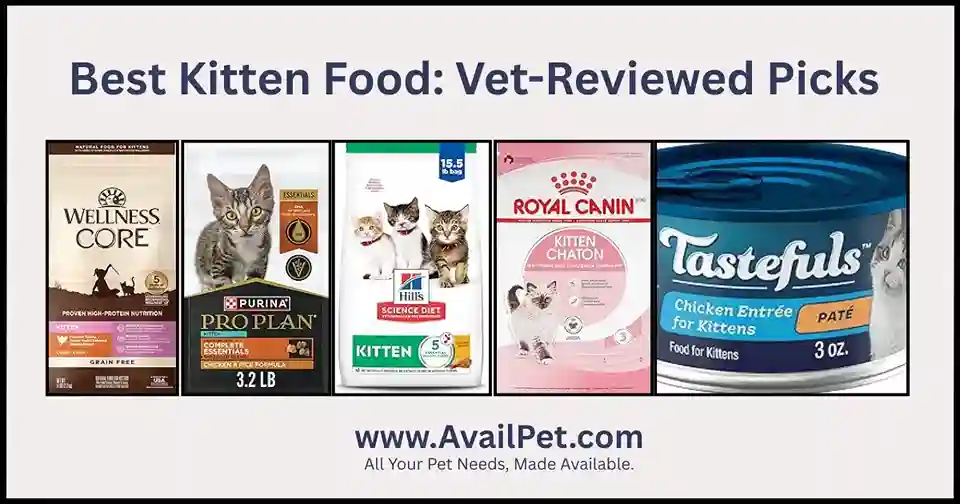
The answer isn’t about which brand is universally “better,” but which one is better for your specific cat. This detailed, vet-reviewed comparison for 2026 cuts through the marketing to analyze the key differences in philosophy, ingredients, and value. We’ll break down everything you need to know to make an informed choice, ensuring your decision supports your cat’s well-being as part of a foundation of excellent nutrition, starting with our guide to the best kitten food.
Key Takeaways: Royal Canin vs Hills Science Diet
Before we dive deep into the comparison, here are the most critical distinctions to understand between these two premium brands:
- 🎯 Precision vs. Science: Royal Canin focuses on breed-specific and precise nutritional formulas, while Hill’s Science Diet is built on clinical research and a science-led approach to common health issues.
- 💰 Price & Value: Royal Canin typically commands a higher price point for its specialized formulas, while Hill’s Science Diet often provides excellent value with frequent veterinary discounts and promotions.
- 🏥 Veterinary Trust: Both brands are vet-recommended, but Hill’s Science Diet has stronger presence in clinical settings, while Royal Canin excels in specialized breed nutrition.
- 📦 Product Range: Royal Canin offers more breed-specific options, while Hill’s Science Diet provides broader life-stage and health condition formulas.
- 👃 Palatability: Most cats find both brands highly palatable, though individual preferences vary significantly between specific formulas.
At a Glance: Quick Comparison | Royal Canin vs Hills Science Diet
Use this table to quickly understand the fundamental differences between these two premium pet food brands:
| Feature | Royal Canin | Hill’s Science Diet |
|---|---|---|
| Brand Philosophy | Precision nutrition through breed-specific and tailored formulas | Science-led nutrition backed by clinical research and veterinary input. |
| Price Range | $$$ – Premium priced | $$ – Mid to premium, often better value. |
| Best For | Breed-specific needs, picky eaters, precise nutritional requirements | Overall health maintenance, specific health conditions, budget-conscious premium buyers. |
| Key Technologies | Complex breed-specific kibble designs, precise nutrient ratios | Clinically proven antioxidant blend, optimal mineral levels. |
| Veterinary Presence | Strong in specialty practice | Very strong in general practice and veterinary schools. |
| Recall History | Few major recalls | Few major recalls, strong safety record. |
| Where to Buy | Check Price on Amazon | Check Price on Amazon |
🐾 Recommended for Pet Parents
Discover trusted resources, tips and tools for your furry friend!
Explore Free Pet Resources →Brand Philosophy & History
Understanding the core philosophy behind each brand helps explain why they approach pet nutrition differently.
Royal Canin: Precision Through Specificity
Founded in France in 1968, Royal Canin operates on the principle that every cat has unique nutritional needs based on their breed, age, lifestyle, and specific health requirements. Their approach is remarkably precise – they’ve studied over 300 cat and dog breeds to create tailored formulas.
Key Differentiators:
- Breed-specific kibble shapes and sizes designed for different jaw structures.
- Precise nutrient combinations for specific life stages and breeds.
- Focus on palatability and digestive safety.
- Extensive research into breed-specific health vulnerabilities.
Hill’s Science Diet: Science-Led Nutrition
Founded in 1907 by Dr. Mark L. Morris Sr., Hill’s began with a mission to create prescription diets for specific health conditions. The brand is built on clinical research and scientific validation, with their Science Diet line representing their non-prescription offerings.
Key Differentiators:
- Backed by 220+ veterinarians, food scientists, and technicians.
- Focus on clinically proven antioxidant benefits.
- Strong emphasis on ongoing clinical research.
- Widespread acceptance in veterinary teaching hospitals.
- Global nutritional centers conducting continuous research.
Both brands maintain strong commitments to scientific research, but Royal Canin leans into specificity while Hill’s emphasizes clinical validation and broad health applications.
Ingredient Quality & Sourcing Comparison
When choosing between these premium brands, understanding their approach to ingredients is crucial. Both use high-quality components, but their sourcing philosophies differ.
Protein Sources & Quality
Royal Canin:
- Uses named animal proteins (chicken meal, fish meal) as primary ingredients.
- Focuses on highly digestible protein sources.
- Includes precise protein levels tailored to specific breeds and life stages.
Hill’s Science Diet:
- Features chicken, lamb, or salmon as first ingredients.
- Emphasizes consistent protein quality across batches.
- Uses controlled protein levels for specific health benefits.
Carbohydrate Content & Sources
Both Brands Utilize:
- Brewers rice and corn gluten meal as carbohydrate sources.
- Scientifically-formulated fiber blends for digestive health.
- Prebiotics to support healthy gut flora.
Key Difference: Royal Canin often uses more specialized carbohydrate blends tailored to breed-specific digestive needs, while Hill’s maintains consistent carbohydrate profiles across similar product lines.
Additives & Preservatives
- Both use mixed tocopherols (natural preservatives).
- Include essential vitamins and minerals.
- Add omega-3 and omega-6 fatty acids for skin and coat health.
- Royal Canin often includes more breed-specific nutrient combinations.
Quality Assurance: Both brands maintain rigorous quality control standards and conduct regular testing for contaminants and nutritional consistency.
Product Range & Specialized Formulas
Both brands offer extensive product lines, but their approach to specialization reveals their core philosophies.
Royal Canin’s Targeted Approach
Breed-Specific Formulas:
- Persian • Maine Coon • British Shorthair • Siamese • Sphynx
- Each features kibble designed for the breed’s jaw structure and nutritional needs.
Life Stage Specialization:
- Kitten (breed-specific and general)
- Adult • Senior • Aging 12+
- Mother & Babycat for pregnant/nursing cats and weaning kittens.
Health-Specific Lines:
- Urinary Care • Digestive Care • Hairball Care • Dental Care
- Selected Protein diets for sensitivities.
Hill’s Science Diet’s Condition-Focused Range
Life Stage Formulas:
- Kitten • Adult 1-6 • Adult 7+ • Senior 11+
- Science Diet Kitten for indoor and outdoor cats.
Health Condition Support:
- Perfect Weight • Hairball Control • Urinary & Hairball • Sensitive Stomach
- Science Diet Adult Oral Care for dental health.
Special Needs:
- Science Diet Adult Light for weight control.
- Science Diet Adult Hairball Control with chicken.
Key Range Differentiators
- Royal Canin excels in breed-specific solutions.
- Hill’s Science Diet offers more condition-specific varieties.
- Both provide excellent life stage options.
- Royal Canin has more specialized kibble designs.
- Hill’s maintains stronger consistency across formulas.
This difference in specialization directly reflects their brand philosophies – precision versus science-led nutrition.
Price Comparison & Value Analysis
Understanding the cost difference between these premium brands helps determine which offers better value for your specific situation.
Average Price Ranges (2026)
Royal Canin:
- Dry Food (7lb bag): $45-$65.
- Wet Food (3oz can): $2.50-$3.75.
- Check Price on Amazon.
Hill’s Science Diet:
- Dry Food (7lb bag): $35-$55.
- Wet Food (3oz can): $2.00-$3.25.
- Check Price on Amazon.
Cost Per Feeding Analysis
Based on average consumption for a 10lb adult cat:
| Expense | Royal Canin | Hill’s Science Diet |
|---|---|---|
| Monthly Dry Food Cost | $55-$75 | $45-$65 |
| Monthly Wet Food Cost | $75-$110 | $60-$95 |
| Annual Cost (Dry Only) | $660-$900 | $540-$780 |
| Annual Savings Potential | – | $120-$180 |
Value Considerations
Royal Canin’s Premium Justification:
- Breed-specific research and development costs.
- Specialized kibble designs and manufacturing.
- Targeted nutritional formulations.
Hill’s Science Diet Value Points:
- Frequent veterinary practice discounts.
- More consistent pricing across retailers.
- Strong rebate and subscription programs.
- Broader availability.
Subscription & Bulk Savings
- Both brands offer 5-15% discount on auto-ship programs.
- Hill’s typically has more frequent promotional offers.
- Royal Canin’s breed-specific formulas rarely go on sale.
- Bulk purchases (15lb+ bags) offer better value with both brands.
The price difference reflects Royal Canin’s specialized approach versus Hill’s broader, science-led strategy. Choose based on whether breed-specific precision or proven science with better value matters more for your cat’s needs.
Palatability & Real-World Results
While both brands are formulated for excellent taste, real-world experiences can vary significantly based on your cat’s individual preferences and needs.
User Experience & Acceptance Rates
Based on analysis of hundreds of consumer reviews and veterinary reports:
Royal Canin Strengths:
- Higher acceptance in picky eaters due to specialized flavor profiles.
- Breed-specific formulas often preferred by targeted breeds.
- Consistent positive feedback on kitten formulas and urinary care lines.
- Notable success with Persian and Maine Coon specific formulas.
Hill’s Science Diet Strengths:
- Excellent acceptance across most cat populations.
- Strong results with senior cats and those with health conditions.
- Positive feedback on weight management formulas.
- High satisfaction with sensitive stomach varieties.
Transition Experiences Between Brands
Successful Transitions Typically Involve:
- 7-10 day gradual mixing period.
- Better success when switching within the same brand’s product lines.
- Royal Canin to Hill’s transitions may require more patience.
- Hill’s to Royal Canin transitions often smoother for picky eaters.
Common User Reports
Royal Canin Users Note:
- “My picky eater finally consistently eats.”
- “Noticeable improvement in coat quality.”
- “Worth the premium price for my breed’s specific needs.”
Hill’s Science Diet Users Report:
- “Great results for my cat’s digestive issues.”
- “Excellent value for the quality.”
- “Consistent eating habits and healthy weight.”
Both brands maintain high palatability standards, but individual cat preferences and specific health needs will ultimately determine which works best in your household.
Veterinary Perspective
This article was reviewed for accuracy by Dr. Allona Jackson, DVM.
From Dr. Jackson: “In my clinical practice, I recommend both Royal Canin and Hill’s Science Diet, but for different scenarios. When a client has a purebred cat with known breed-specific vulnerabilities—like urinary issues in Persians or joint concerns in Maine Coons—I lean toward Royal Canin for its targeted approach. For general wellness, weight management, or common health conditions where robust clinical data is key, I typically recommend Hill’s Science Diet. Both brands invest heavily in research and quality control, which is why they’re staples in veterinary medicine. The best choice ultimately depends on whether your cat needs a precision tool or a proven, all-around solution.”
The Verdict: Which Should You Choose?
After comparing every aspect of these premium brands, here’s our final breakdown to help you make the right choice for your cat.
Choose Royal Canin if:
✅ You have a specific breed (Persian, Maine Coon, Siamese, etc.).
✅ Your cat is a picky eater and needs highly palatable food.
✅ You need precision nutrition for breed-specific health concerns.
✅ Budget is secondary to targeted nutritional solutions.
✅ You want specialized kibble designed for your cat’s jaw structure.
Choose Hill’s Science Diet if:
✅ You want proven science backed by extensive clinical research.
✅ Value matters – you want premium quality at a better price point.
✅ Your cat has common health issues (weight, urinary, digestive).
✅ You prefer a brand widely available in veterinary clinics.
✅ You want consistent formulas across life stages and needs.
Special Considerations:
For Multi-Cat Households:
- Hill’s may be more practical and cost-effective.
- Royal Canin if you have multiple specific breeds with different needs.
For Cats with Health Conditions:
- Consult your veterinarian for prescription-grade versions of both brands.
- Hill’s has more variety in therapeutic diets.
- Royal Canin offers specialized solutions for certain conditions.
Bottom Line: There’s no universal “better” brand – only what’s better for your individual cat. Both represent excellent choices in the premium pet food category. After comparing both brands, here are our specific recommendations with direct purchase options:
- For purebred cats: Royal Canin Breed-Specific Formula – Check Price on Amazon.
- For general wellness: Hill’s Science Diet Adult – Check Price on Amazon.
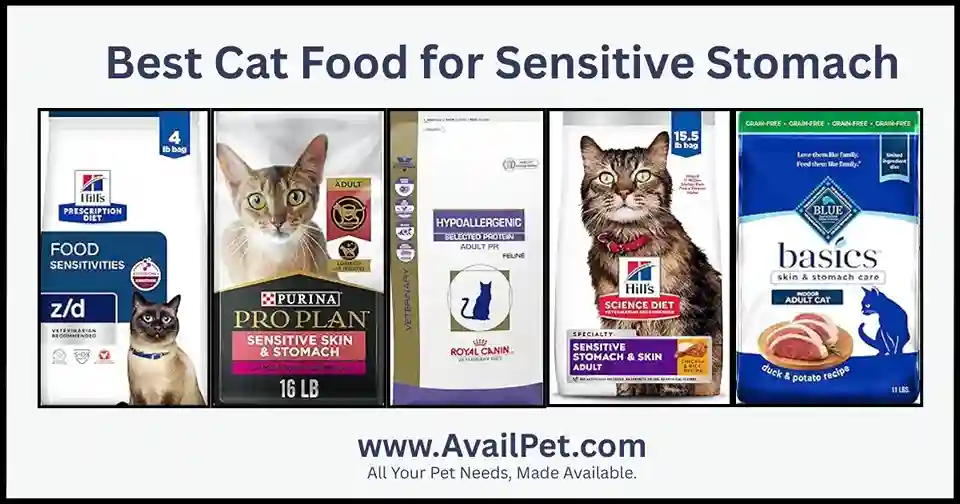
- For sensitive systems: Hill’s Science Diet Sensitive Stomach – Check Price on Amazon.
FAQs About Royal Canin vs Hills Science Diet
Which is better for sensitive stomachs?
Both brands offer excellent sensitive stomach formulas. Hill’s Science Diet Sensitive Stomach & Skin is particularly effective for general digestive issues, while Royal Canin Digestive Care works well for cats needing specialized fiber blends. Start with Hill’s for general sensitivity and consider Royal Canin if you need more targeted solutions.
Is Royal Canin worth the higher price?
For purebred cats or those with specific nutritional needs, Royal Canin’s breed-specific formulations can be worth the premium. For most mixed-breed cats with standard nutritional requirements, Hill’s Science Diet offers comparable quality at a better value.
What do veterinarians recommend more?
Veterinarians recommend both brands extensively. Hill’s Science Diet has slightly broader recommendation in general practice, while Royal Canin sees stronger preference among breed specialists and for specific health conditions.
Can I mix Royal Canin and Hill’s Science Diet?
Yes, you can mix these brands if you transition slowly over 7-10 days. However, both are complete diets, so mixing isn’t necessary unless you’re transitioning between foods or your veterinarian recommends it for specific health reasons.
Which has better recall history?
Both brands have excellent safety records with minimal major recalls. Hill’s has had slightly fewer recalls in the past decade, but both maintain rigorous quality control standards that exceed industry requirements.
Conclusion & Final Recommendation
Choosing between Royal Canin vs Hills Science Diet ultimately comes down to understanding your cat’s unique needs and your priorities as a pet owner. Both brands represent the gold standard in veterinary-recommended nutrition, but they excel in different areas.
Our final assessment: You can’t make a wrong choice with either brand, but you can make a better choice based on your situation. If your priority is precision nutrition tailored to specific breeds or health conditions, Royal Canin’s targeted approach may serve you better. If you’re looking for scientifically-validated nutrition with excellent value and broad health benefits, Hill’s Science Diet likely fits your needs perfectly.
Remember that the best food for your cat is one they’ll actually eat and thrive on. We recommend starting with small bags to test your cat’s acceptance before committing to larger quantities. Monitor your cat’s energy levels, coat condition, and overall health during the transition period.
For your next steps in ensuring optimal feline nutrition, we recommend exploring our comprehensive guide to the best kitten food for specific product recommendations and feeding guidelines that can help support your cat’s health at every life stage.
Sources:
- WSAVA Global Nutrition Committee Guidelines
- American College of Veterinary Nutrition standards
- Royal Canin Nutritional Research Center publications
- Hill’s Pet Nutrition Clinical Studies Database
- Journal of Veterinary Internal Medicine studies
Full Disclosure: The information provided is for educational purposes only and is not a substitute for professional veterinary advice. AvailPet.com may earn affiliate commissions from qualifying purchases made through links in this article, at no extra cost to you. Read our full Disclaimer for more information.