Geriatric Feline Health Specialist
Reviewed by Dr. Allona Jackson, DVM
Clinically reviewed for muscle mass preservation (sarcopenia prevention), phosphorus-kidney balancing, and 2026 feline cognitive support standards.
Key Takeaways: Best Cat Food for Senior Cats
- Prioritize Protein Quality: Senior cats need high-quality, easily digestible protein to maintain muscle mass as they age, even if they need fewer overall calories.
- Support Kidney & Joint Health: The best cat food for senior cats manages phosphorus for kidneys and includes supplements like glucosamine & omega-3s for joint mobility.
- Moisture is Non-Negotiable: Wet food or hydrated diets are crucial for the best cat food for senior cats to support kidney function and prevent dehydration.
- Always Start with a Vet Visit: A blood panel is essential before choosing any cat food for senior cats to rule out underlying conditions like kidney disease or hyperthyroidism.
Disclaimer: This information is vet-reviewed but not a substitute for professional medical advice. Always consult your veterinarian for your cat’s specific needs.
Watching your faithful companion enter their golden years brings a special kind of love—and new concerns. You might notice they’re not jumping as high, sleeping more, or being pickier about their meals. These changes aren’t just “old age”; they’re signs your cat’s nutritional needs are evolving. Finding the best cat food for senior cats is one of the most important ways you can support their health, comfort, and vitality during this life stage.
The right diet can help manage weight, support aging kidneys, ease achy joints, and maintain precious muscle mass. But with so many options labeled “senior,” “mature,” or “11+,” how do you choose what’s truly best for your cat?
This guide cuts through the confusion. We’ve analyzed the science and consulted veterinary experts to bring you our picks for the best cat food for senior cats in 2026. We’ll provide clear recommendations and explain the why behind them, empowering you to make the most informed choice for your aging feline friend.
Understanding Senior Cat Nutritional Needs
A cat is generally considered “senior” at around 7 years of age. Their metabolism, organ function, and activity levels change, requiring a diet that is strategically different from what they ate as adults. The goal is no longer just maintenance, but proactive support for the aging process.
The Protein Paradox: Quality Over Quantity?
Contrary to old beliefs, senior cats often need more high-quality protein, not less. While their energy needs may decrease, their requirement for easily digestible, animal-based protein increases to help prevent the loss of lean muscle mass (a condition called sarcopenia). The focus should be on high-quality protein sources like chicken, fish, and eggs that are gentle on aging kidneys.
Kidney & Urinary Support
The kidneys are a primary concern for senior cats. Look for diets that support renal health through:
- Controlled Phosphorus Levels: Helps reduce strain on the kidneys.
- High Moisture Content: Critical for supporting kidney function and flushing toxins. This is a key reason wet food is often recommended.
- Balanced pH: Maintains a healthy urinary tract.
Joint & Mobility Support
Arthritis is common in older cats. Nutrients that support joint health include:
- Omega-3 Fatty Acids (EPA/DHA): Found in fish oil, these help reduce inflammation and ease joint stiffness.
- Glucosamine and Chondroitin: These compounds help maintain cartilage health and joint lubrication.
Digestive Health
Aging digestive systems can become more sensitive. Support them with:
- Prebiotics and Probiotics: Promote a healthy balance of gut bacteria for optimal nutrient absorption.
- Moderate, Digestible Fiber: Aids in healthy digestion and helps prevent constipation, which is more common in seniors.
Understanding these core needs allows you to better evaluate any cat food for senior cats and find the best match for your companion’s health.
Our Top Picks: Best Cat Food for Senior Cats in 2026
To help you make the best choice for your aging companion, our veterinary team has evaluated numerous formulas. We’ve prioritized foods that address the core needs of senior cats: high-quality protein, kidney support, joint health, and palatability.
1. Best Overall Senior Cat Food: Hill’s Science Diet Senior 11+

- Form: Dry & Wet
- Key Benefit: Balanced nutrition with easy-to-digest ingredients and added antioxidants for immune support.
- ✅ Check Price: View on Amazon
Best For: Most senior cats need a well-rounded, high-quality diet for healthy aging. It’s a vet-recommended staple for good reason.
Want the full, vet-reviewed breakdown? Read our in-depth, standalone review: Hill’s Science Diet Senior Cat Food: #1 Vet-Reviewed Guide (2026) where Dr. Jackson analyzes the clinical research, ingredient benefits, and real-world feeding results.
2. Best for Kidney Support: Royal Canin Renal Support

- Form: Dry & Wet
- Type: Prescription Required
- Key Benefit: Formulated with restricted phosphorus and high-quality protein to manage kidney disease.
- ✅ Check Price: View on Amazon
Best For: Senior cats diagnosed with chronic kidney disease (CKD). It is a therapeutic diet that should only be used under veterinary supervision.
Important: This is a prescription therapeutic diet. For a complete understanding of its medical role, indications, and usage, read our detailed medical review: Royal Canin Renal Support Cat Food: A Veterinarian’s Guide to CKD Management.
3. Best for Arthritis & Joint Health: Purina Pro Plan Senior with Joint Support

- Form: Dry & Wet
- Key Benefit: Contains natural sources of glucosamine and omega-3 fatty acids to support mobility and ease inflammation.
- ✅ Check Price: View on Amazon
Best For: Older cats showing signs of stiffness or reduced activity. Excellent for promoting comfort and mobility.
Curious about its holistic gut-joint-brain approach? Dive deeper in our comprehensive review: Purina Pro Plan Senior Cat Food Review: Holistic Support for Aging Cats which covers the science behind its live probiotics and targeted nutrient synergy.
4. Best Wet Food Option: Blue Buffalo Wilderness Senior

- Form: Wet
- Key Benefit: High-protein, grain-free recipe with the moisture content essential for senior hydration.
- ✅ Check Price: View on Amazon
Best For: Seniors who prefer wet food or need a high-moisture diet to support their kidney and urinary tract health.
Interested in a natural ingredient approach? Explore the pros, cons, and practical realities in our detailed analysis: Blue Buffalo Senior Cat Food Review: Natural Ingredients Examined including how to manage the LifeSource Bits and transition period.
5. Best Budget-Friendly Option: Iams Proactive Health Senior

- Form: Dry
- Key Benefit: Provides tailored fiber for digestive health and L-Carnitine to support metabolism at an accessible price point.
- ✅ Check Price: View on Amazon
Best For: Pet parents seeking a reliable, vet-recommended senior diet that offers excellent value without compromising on key nutrients.
Looking for exceptional value without compromising on core nutrition? See why it’s our top budget pick in the full review: Iams Proactive Health Senior Cat Food: The Smart Value Choice featuring analysis of its L-carnitine benefits and efficient formulation.
Senior Cat Food Comparison Table
| Product (Full Review) | Type | Form | Key Benefit | Best For |
| Hill’s Science Diet Senior 7+ | Non-Prescription | Dry & Wet | Easy digestion & immune support | Overall Health for most senior cats |
| Royal Canin Renal Support | Prescription | Dry & Wet | Restricted phosphorus & kidney support | Kidney Disease management under vet care |
| Purina Pro Plan Senior | Non-Prescription | Dry & Wet | Glucosamine & omega-3s for joints | Arthritis & Mobility support |
| Blue Buffalo Senior | Non-Prescription | Wet | High-protein, grain-free, high moisture | Wet Food Preference & hydration needs |
| Iams Proactive Health Senior | Non-Prescription | Dry | Tailored fiber & L-Carnitine | Budget-Conscious health support |
Important: Prescription diets like Royal Canin Renal Support are medical foods that require a veterinarian’s diagnosis and authorization. Always follow your vet’s recommendation for therapeutic diets.
How We Selected These Foods
At AvailPet, we understand that choosing the right nutrition for your senior cat is a decision based on trust. Our selection process is designed to be transparent and rigorous, ensuring every recommendation meets the highest standards for safety, efficacy, and scientific backing.
Our veterinary and research team applied these key criteria:
- Scientific Formulation & Life Stage Appropriateness:
Every food must be specifically formulated to meet the nutritional levels established by the AAFCO (Association of American Feed Control Officials) for “adult” or “all life stages” maintenance, with formulations adjusted for the needs of older cats. - Ingredient Quality & Nutrient Profile:
We prioritize foods with high-quality, animal-based protein as the primary ingredient. We analyze the inclusion of beneficial supplements for seniors, such as omega-3 fatty acids, glucosamine, and controlled levels of phosphorus. - Brand Reputation & Safety Record:
We favor established brands with a long history of quality control, scientific research, and transparency. A thorough review of FDA recall history and manufacturing standards is a mandatory part of our evaluation. - Veterinary Endorsement & Clinical Evidence:
Where applicable, we give significant weight to prescription and non-prescription diets that are widely recommended and used within the veterinary community for managing age-related conditions. - Palatability & Real-World Acceptance:
We analyze consistent feedback from reviews and veterinary reports to ensure our picks are not only nutritious but also readily accepted by senior cats, who can often be picky eaters.
By applying this consistent, multi-faceted framework, we provide you with senior cat food recommendations you can truly trust for your aging companion.
Transitioning to Senior Food
Switching your cat to a new diet requires care and patience, especially for seniors with more sensitive digestive systems. A gradual transition over 7-10 days helps prevent stomach upset and gives your cat time to adjust to the new taste and texture.
The 14-Day Transition Method
Follow this schedule for a smooth switch:
- Days 1-3: Mix 25% new food with 75% current food,
- Days 4-6: Increase to 50% new food and 50% current food,
- Days 7-9: Mix 75% new food with 25% current food,
- Days 10-14: Feed 100% new senior food.
Monitoring Your Senior Cat’s Response
Watch closely for these signs during the transition:
- Positive Signs: Normal energy levels, consistent appetite, healthy coat
- Concerning Signs: Vomiting, diarrhea, refusal to eat, lethargy
When to Consult Your Vet During Transition
Contact your veterinarian immediately if you notice:
- Complete loss of appetite for more than 24 hours
- Repeated vomiting or diarrhea
- Significant lethargy or behavior changes
- Signs of pain or discomfort
Pro Tip: If your cat is particularly sensitive, extend the transition period to 3 weeks, making smaller changes every 3-4 days.
Specialized Senior Nutrition: When to Consider Prescription Diets
While many senior cats thrive on high-quality over-the-counter foods, some age-related conditions require the targeted approach of a veterinary-prescribed diet. These are not just “better” food; they are therapeutic tools designed to manage specific medical diagnoses.
Kidney Disease (CKD) Indicators
Prescription kidney diets are crucial when your cat shows signs of Chronic Kidney Disease:
- Key Features: Controlled phosphorus, high-quality low-protein, added omega-3s
- When to Consider: After blood work shows elevated creatinine/BUN levels
- Our Top Pick: Royal Canin Renal Support
Diabetes Management
Cats with diabetes need carefully balanced nutrition:
- Key Features: High-protein, low-carbohydrate formulas
- When to Consider: After a diabetes diagnosis from your veterinarian
- Diet Goal: To help regulate blood sugar levels and potentially achieve remission
Hyperthyroidism Considerations
While medication is primary treatment, diet plays a supporting role:
- Key Features: Iodine-restricted formulas
- When to Consider: As part of a comprehensive treatment plan under veterinary guidance
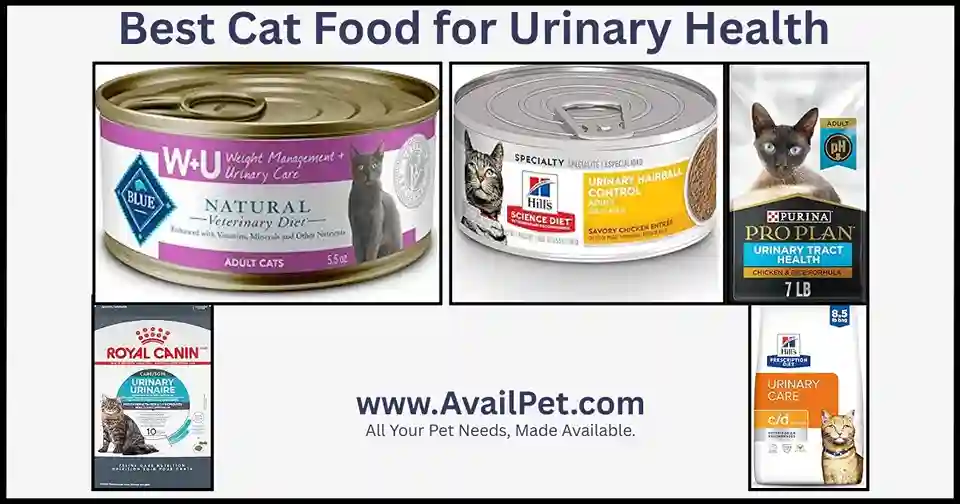
For cats with multiple concerns, our guide to the Best Cat Food for Urinary Health addresses another common senior issue.
Important: Never use prescription diets without veterinary supervision. These formulas are designed for specific medical conditions and can be harmful to healthy cats.
Wet vs Dry for Senior Cats
The choice between wet and dry food becomes particularly important for senior cats, as their health needs evolve. Both formats have distinct advantages, and the best choice often depends on your cat’s specific health status.
The Case for Wet Food
- Superior Hydration: With 75-80% moisture content, wet food is essential for seniors, supporting kidney function and preventing dehydration—a common issue in older cats.
- Palatability: The strong aroma and texture are often more appealing to seniors with diminished senses of smell or dental issues.
- Lower Calorie Density: Helps with weight management in less active seniors.
The Case for Dry Food
- Dental Benefits: The crunchy texture can help reduce tartar buildup, though it shouldn’t replace dental care.
- Convenience: Can be left out for grazing without spoiling, useful for seniors who prefer small, frequent meals.
- Cost-Effective: Generally more affordable than wet food.
Our Recommendation: The Mixed Feeding Approach
For most senior cats, we recommend combining both formats:
- Use wet food for main meals to ensure hydration.
- Offer a small portion of dry food for grazing and dental benefits.
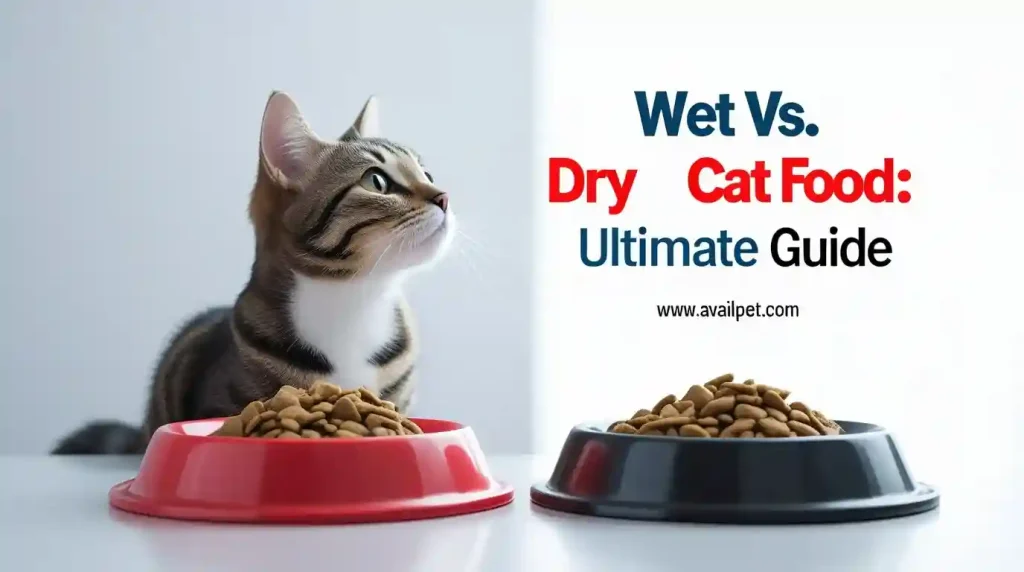
For a complete breakdown of the pros and cons, see our comprehensive pillar article on Wet vs Dry Cat Food.
This balanced approach provides the hydration benefits of wet food while maintaining some dental advantages of dry kibble.
FAQs About Best Cat Food for Senior Cats
When should I switch my cat to senior food?
Most cats should transition to senior food around 7 years of age. However, this can vary by breed and individual health. Large breeds like Maine Coons may benefit from switching earlier (around 6 years), while some smaller cats might not need senior food until 8-9 years. Your veterinarian can provide the best timing based on your cat’s health status.
How much should I feed my senior cat?
Senior cats typically need 20-30% fewer calories than adult cats due to decreased activity and slower metabolism. However, individual needs vary greatly. Start with the feeding guidelines on your chosen senior food package and adjust based on your cat’s body condition, activity level, and veterinary advice.
Are grain-free diets good for senior cats?
Grain-free isn’t automatically better for senior cats. Most cats digest grains well, and the focus should be on high-quality protein and appropriate calorie levels rather than grain content. Recent veterinary research has raised concerns about potential links between some grain-free diets and heart disease in cats, so discuss this choice with your veterinarian.
What are signs my senior cat isn’t tolerating their food?
Watch for these signs of food intolerance:
- Digestive issues: Vomiting, diarrhea, or constipation.
- Skin problems: Excessive itching, hair loss, or skin inflammation.
- Behavior changes: Lethargy, hiding, or decreased appetite.
- Weight changes: Unexplained weight loss or gain.
If you notice any of these signs, consult your veterinarian and consider a different formula.
Conclusion & Final Recommendation
Choosing the right nutrition for your senior cat is one of the most meaningful ways you can support their comfort and well-being during their golden years. The best cat food for senior cats addresses their changing metabolism, supports aging organs, and maintains their quality of life.
Our top pick, Hill’s Science Diet Senior 11+, stands out for its balanced approach to senior nutrition, providing essential support without requiring a prescription. However, the ultimate choice depends on your cat’s specific health profile—whether they need the targeted kidney support of Royal Canin Renal Support, the joint care of Purina Pro Plan Senior, or the high-moisture benefits of Blue Buffalo Wilderness Senior.
Remember these key principles for your senior cat’s nutrition:
- Quality Protein is Crucial: Prioritize high-quality, easily digestible protein to maintain muscle mass.
- Hydration is Key: Incorporate wet food to support kidney function and overall hydration.
- Regular Vet Check-ups Are Essential: Senior cats need biannual veterinary visits to monitor for age-related conditions.
- Patience with Transitions: Allow 10-14 days when switching foods to avoid digestive upset.
By combining these guidelines with regular veterinary care and plenty of love, you’re giving your senior companion the best possible support for their journey through the golden years.
Sources
- WSAVA Global Nutrition Guidelines
- AAFP Feline Life Stage Guidelines
- Cornell Feline Health Center – Senior Cats
- International Journal of Applied Research – Senior Cat Nutrition
- Hill’s Science Diet Senior 11+
- Royal Canin Renal Support
- Purina Pro Plan Senior
- Blue Buffalo Wilderness Senior
Disclaimer: Always consult your veterinarian before changing your senior cat’s diet. Cats over 7 years often have underlying health conditions that require specific nutritional management. We may earn from qualifying purchases.