Feline Urology & Therapeutic Dietary Specialist
Reviewed by Dr. Allona Jackson, DVM
Clinically reviewed for 2026 RSS technology standards, active struvite dissolution efficacy, and the role of therapeutic acidification in preventing life-threatening urethral obstructions.
The moment is every cat owner’s nightmare: your cat is straining in the litter box, crying in pain, or you’ve spotted blood. The emergency vet’s diagnosis lands with a thud—Feline Lower Urinary Tract Disease (FLUTD) or struvite urinary crystals. And then, instead of a simple pill, they hand you a bag of food: Royal Canin Urinary SO.
If you’re left holding that distinctive bag, wondering, “How can food fix a medical problem like stones?”—you are not alone. This is the confusing intersection where nutrition becomes a clinical therapy.
Royal Canin Urinary SO is not just another cat food. It is a veterinary-exclusive, prescription therapeutic diet, a powerful tool designed to chemically alter your cat’s internal environment. Understanding it is crucial, because its success depends on your partnership with your veterinarian and strict compliance.
This 2026 guide, written from a veterinarian’s perspective, will demystify Urinary SO. We’ll explain the exact, three-part science of how it dissolves existing stones and prevents new ones, clarify who truly needs it (and who doesn’t), and outline the non-negotiable role of your vet in diagnosis and monitoring. This isn’t about a product review; it’s about understanding a medical protocol.
For context on where this specialized formula fits within Royal Canin’s broader lineup, explore our comprehensive resource: Royal Canin Cat Food: A Veterinarian’s Guide. Now, let’s start by decoding what the “SO” in the name actually means.
Decoding the Prescription: What is Royal Canin Urinary SO?
Before we dive into the complex biochemistry, let’s start with the fundamentals. Understanding what this product is—and, just as importantly, what it is not—is the first critical step.
It’s Not “Food” in the Conventional Sense
First, discard the notion that this is simply a premium kibble. Royal Canin Urinary SO is a veterinary therapeutic diet. This is a legally defined category of nutrition formulated for the “dietary management” of specific diagnosed diseases. Think of it less as dinner and more as a prescription-grade medical treatment that happens to be delivered in food form.
What “S/O” Actually Stands For
The name itself holds the key to its purpose:
- “S” stands for “Dietary” (as in a specific nutritional strategy, from the French “Sous forme de”).
- “O” stands for “Oxalate & Struvite” (the two most common types of urinary crystals in cats).
Together, Urinary S/O translates to: A dietary strategy for managing both struvite and oxalate crystals. Its formulation is designed to create a urinary environment that discourages the formation of both, though it is most potent against struvite.
The Legal Gate: Why You Need a Prescription
This is the most crucial point for owners: Royal Canin Urinary SO cannot be purchased over-the-counter. It is a restricted drug/feed item in most regions. Reputable pharmacies, whether your vet’s clinic or online retailers like Chewy, are legally required to obtain and verify a current prescription from your veterinarian before dispensing it.
This gate exists for critical reasons:
- Proper Diagnosis is Essential: The diet is specifically for struvite crystals/stones. If your cat has a different type of stone (e.g., calcium oxalate or urate), this diet will not help and could potentially worsen the problem. Only a vet can diagnose the correct crystal type via urinalysis and imaging.
- Medical Supervision is Required: The diet actively changes your cat’s internal chemistry (specifically urine pH and mineral concentration). This needs to be monitored to ensure it’s working correctly and not creating side effects.
In short, Urinary SO is a targeted medical tool for a specific problem, accessed through a professional diagnosis. Now that we understand its nature and legal status, let’s explore the precise engineering that makes this tool work.
The Science Behind the Solution: How Urinary SO Actually Works
The power of Royal Canin Urinary SO lies in its precise, multi-targeted approach to altering your cat’s urinary environment. It doesn’t just add a single supplement; it re-engineers the fundamental chemistry to make crystal formation nearly impossible and to reverse existing struvite stones. Think of it as changing the conditions of a fish tank so that harmful algae can’t grow.
Here’s the three-pronged scientific strategy, often called the “Triple Action” approach:
1. Promotes Dilute Urine: The “Dilution is the Solution” Principle
Crystals form when minerals become overly concentrated in urine. Urinary SO is formulated to encourage your cat to drink more water and produce a larger volume of more dilute urine.
- How it works: The diet includes controlled levels of sodium and other palatability factors that gently stimulate thirst. It also has a high moisture content in its wet food form. More water intake = more urine output = lower concentration of crystal-forming minerals like magnesium, ammonium, and phosphate.
- The Result: A less saturated “solution” where crystals are less likely to precipitate out and form stones.
2. Lowers Urinary pH: Creating an Acidic Environment
This is the most critical action against struvite stones. Struvite crystals (magnesium ammonium phosphate) can only form in neutral to alkaline urine.
- How it works: The diet is precisely formulated to produce a slightly acidic urine pH, typically between 6.0 and 6.3. This is achieved through specific mineral balances and metabolizable precursors. In this acidic environment, existing struvite stones begin to dissolve, and new ones cannot form.
- Important Note: This pH is carefully calibrated. It’s acidic enough to dissolve struvite but not so acidic as to promote the formation of calcium oxalate crystals, which favor very low pH.
3. Restricts Precursor Minerals: Cutting Off the Supply
If you reduce the building blocks, you can’t build the structure. Urinary SO strictly controls the amounts of the minerals that make up crystals.
- For Struvite: It provides reduced levels of magnesium, phosphorus, and ammonium.
- For Calcium Oxalate: It provides controlled levels of calcium and oxalate, and includes citrate, which can bind to calcium and inhibit oxalate stone formation.
- The Result: Even if urine were concentrated or pH were off, there simply aren’t enough raw materials available to form significant crystals.

The Integrated Outcome
These three mechanisms work synergistically. Dilute urine and restricted minerals make it hard for crystals to start. The acidic pH actively dismantles any struvite that does begin to form and creates a hostile environment for its recurrence. It’s a comprehensive defensive system.
This sophisticated engineering explains why a simple over-the-counter “urinary health” food cannot achieve the same results. Those diets may promote dilution but lack the precise, prescription-level control of pH and mineral restriction needed for active dissolution and prevention.
The Ideal Candidate: Who Urinary SO is For (And Who It’s Not)
With an understanding of its potent mechanism, it’s crucial to identify the precise medical scenarios where Royal Canin Urinary SO is indicated—and, just as importantly, where it is inappropriate or even contraindicated. This distinction is the cornerstone of safe and effective treatment.
Primary Medical Indications: When Urinary SO is Prescribed
Your veterinarian will consider Urinary SO in these specific, diagnosed situations:
- For Dissolving Struvite Uroliths (Stones): This is the diet’s most definitive and powerful use. If X-rays or ultrasound reveal struvite bladder stones, Urinary SO can be used as medical dissolution therapy, potentially avoiding the need for invasive surgery. The diet chemically dissolves the stones over several weeks.
- For Managing & Preventing Feline Lower Urinary Tract Disease (FLUTD): Cats with recurrent episodes of FLUTD (which can include idiopathic cystitis, urethral plugs, or crystals) may be placed on Urinary SO as a long-term preventive strategy. By maintaining dilute, acidic urine, it reduces the risk of crystal formation that can lead to painful inflammation or life-threatening blockages.
- For Cats with a Documented History of Struvite Crystalluria: If a urinalysis repeatedly shows struvite crystals (even without formed stones), your vet may prescribe Urinary SO to alter the urine environment and prevent those crystals from aggregating into stones or causing mucosal irritation.
The Critical, Non-Negotiable Role of Your Veterinarian
This cannot be overstated: Urinary SO is a treatment, not an experiment. Its use hinges entirely on professional veterinary oversight.
- Diagnosis is Mandatory: A vet must confirm the presence of struvite via urinalysis (for crystals) or diagnostic imaging (for stones). Using it for calcium oxalate crystals is ineffective.
- Prescription & Ongoing Monitoring: After diagnosis, your vet provides the prescription. They will also establish a monitoring schedule, typically involving follow-up urinalysis in 4-6 weeks to check if the target urine pH has been achieved and crystals have dissolved. This ensures the diet is working and allows for dosage or formula adjustments.
Important Limitations & Contraindications
Urinary SO is a specialized tool, not a universal remedy. It is NOT recommended for:
- Healthy Cats “Just in Case”: This is a common misunderstanding. Prophylactic use in cats with no history of urinary issues is not advised and could disrupt normal urinary chemistry.
- Cats with Other Types of Urinary Stones: It is ineffective for purine (urate) stones and is not the primary choice for calcium oxalate stones (though it can help prevent them). Using it for the wrong stone type wastes critical treatment time.
- As Sole Treatment for a Complete Urethral Blockage: A cat that cannot urinate is in a life-threatening emergency requiring immediate veterinary intervention (catheterization, fluids, emergency care). The diet is for prevention and dissolution after the acute crisis is resolved.
- Cats with Certain Metabolic Conditions: Cats with chronic kidney disease, severe heart disease, or acid-base disorders may require different nutritional management. Your vet will assess overall health before prescribing.
Understanding these boundaries is as vital as understanding the benefits. In the next section, we’ll address the practical realities, commitments, and potential side effects of using this powerful medical diet.
Practical Realities: Commitment, Compliance & Potential Side Effects
Initiating treatment with Royal Canin Urinary SO is a significant commitment that extends beyond simply buying a new bag of food. Understanding the practical demands, the “rules,” and being aware of potential side effects is essential for success and safety.
The Golden Rule: Absolute Dietary Compliance
For Urinary SO to work, it must control 100% of your cat’s nutritional intake. Even small deviations can alter urine pH and mineral concentration, rendering the treatment ineffective.
- What This Means:
- No other cat food (dry, wet, or raw).
- No regular cat treats. This is often the hardest part for owners. Even a few daily treats can sabotage the diet’s acidifying effect.
- No human food scraps.
- No flavored medications or supplements unless approved by your vet.
- The Solution: Ask your veterinarian about Urinary SO-compatible treats (Royal Canin may offer some) or use small pieces of the prescribed wet food as a “treat.”
The Monitoring Schedule: Trust, But Verify
Your veterinarian’s follow-up plan is not a suggestion. It’s a critical safety and efficacy check.
- Initial Re-check: Typically 4-6 weeks after starting the diet. A urinalysis will check if the target urine pH (~6.0-6.3) has been achieved and if crystals have dissolved.
- Ongoing Monitoring: For long-term management, periodic urinalysis (e.g., every 6-12 months) is recommended to ensure the diet continues to maintain the proper urinary environment.
Potential Side Effects & Important Considerations
While highly effective and safe for its intended use, be aware of these possibilities:
- Gastrointestinal Upset: As with any diet change, some cats may experience temporary soft stool or vomiting during the transition. Always transition slowly over 7-10 days.
- The Acidification “Double-Edged Sword”: The very mechanism that dissolves struvite—lowering urine pH—carries a theoretical long-term risk. In susceptible cats, prolonged, excessive acidification could potentially:
- Promote calcium oxalate stones: While the diet is formulated to balance this risk, it’s a reason monitoring is crucial.
- Contribute to potassium loss: Very acidic urine can increase potassium excretion. This is primarily a concern for cats with concurrent kidney issues.
- This is why veterinary supervision is non-negotizable. Your vet monitors pH to keep it in the therapeutic “sweet spot.”
- Not a Substitute for Holistic Care: Urinary SO manages chemistry, but FLUTD has multifactorial causes. Its success is greatest when combined with:
- Environmental Enrichment: Reducing stress through play, vertical space, and clean, multiple litter boxes.
- Adequate Hydration: Encouraging water intake with fountains, wet food, and multiple water bowls.
Realistic Timeline: Patience is Required
- Stone Dissolution: Do not expect overnight results. Dissolving struvite stones typically takes 4-12 weeks, depending on their size and number. Follow-up X-rays will confirm dissolution.
- Prevention: For cats with a history of crystals/FLUTD, this is often a lifelong dietary commitment to prevent recurrence.
With these practical considerations in mind, let’s answer the most common and urgent questions cat owners have when facing this treatment path.
FAQ: Your Urgent Questions About Urinary SO, Answered
Facing a urinary diagnosis and a new prescription diet brings a flood of practical questions. Here are clear, direct answers to the most common and urgent ones.
Can I buy Royal Canin Urinary SO without a prescription from my vet?
No, you cannot. It is a legally restricted veterinary therapeutic diet. Reputable sources—including your vet’s clinic, authorized online pharmacies like Chewy, and pet stores—are required to obtain and verify a current prescription from your veterinarian before they can sell it to you. This safeguard ensures the diet is used appropriately for a diagnosed condition.
How long does it take for Urinary SO to dissolve bladder stones?
Typically 4 to 12 weeks. The timeline depends on the size, number, and density of the struvite stones. Your veterinarian will schedule a follow-up X-ray or ultrasound (usually around the 6-8 week mark) to monitor progress. Patience and strict dietary compliance are essential during this period.
Is it okay for my other, healthy cat to eat Urinary SO?
Generally, no. Urinary SO is formulated for cats with a specific medical need. Feeding it to a healthy cat long-term is unnecessary and could potentially disrupt their normal urinary mineral balance. It’s best to feed cats separately, or if that’s impossible, discuss the risks and benefits with your veterinarian for all cats in the household.
What happens if my cat won’t eat the Urinary SO food?
Palatability is critical for treatment success. The good news is that Royal Canin engineers these diets for high acceptance. If your cat refuses it:
- Try the wet food version (if you started with dry), or vice versa.
- Ensure a slow transition from the old food.
- Warm the wet food slightly to enhance aroma.
- If refusal persists, contact your veterinarian immediately. They cannot be without their therapeutic diet, and your vet may need to suggest an alternative prescription option.
Can I ever stop feeding Urinary SO?
This depends entirely on the original reason for prescription.
- After Stone Dissolution: If the diet was used to dissolve stones, many vets recommend staying on it long-term to prevent recurrence, as the cat has proven prone to forming stones.
- For Chronic FLUTD/Crystal Management: It is typically a lifelong diet to maintain the protective urinary environment.
- Stopping should only be done under veterinary guidance, as switching off the diet can allow the original urinary conditions to return.
What’s the difference between Urinary SO and store-bought “urinary care” food?
This is a crucial distinction. Over-the-counter (OTC) “urinary” or “pH control” diets are not equivalent.
- OTC Diets: May promote dilute urine but generally cannot legally achieve the degree of acidification and mineral restriction needed to dissolve existing struvite stones. They are for maintenance or mild support.
- Urinary SO (Rx): A prescription-strength therapeutic diet with proven, targeted levels of acidification and mineral restriction to actively treat and dissolve stones.
Armed with these answers, you’re prepared to navigate the practical steps of obtaining and using this important medical treatment effectively.
Your Action Plan: How to Start & Succeed with Urinary SO
Understanding the science and the rules is one thing; implementing them successfully is another. This step-by-step action plan will guide you from diagnosis to long-term management, ensuring you and your cat are set up for the best possible outcome.
Step 1: Secure the Correct Diagnosis & Prescription
This is the non-negotiable foundation. Your journey must begin in your veterinarian’s office.
- What to Expect: Your vet will perform a physical exam, urinalysis, and likely diagnostic imaging (X-rays or ultrasound) to confirm the presence of struvite crystals or stones and rule out other issues like a blockage.
- Get Clarity: Before leaving, ask: “Can you confirm these are struvite?” and “What is our specific monitoring plan?”
- Obtain the Prescription: Your vet will provide a written prescription. You can fill it at the clinic or take it to an authorized retailer.
Step 2: Source the Food & Transition Carefully
- Where to Buy: With prescription in hand, you can purchase from:
- Your veterinary clinic (often the most direct option).
- Authorized online pharmacies (e.g., Chewy, Amazon Pharmacy) that will contact your vet to verify the prescription.
- Specialty pet pharmacies.
- The Transition: Even in urgency, take 7-10 days to mix increasing amounts of Urinary SO with your cat’s old food. This minimizes gastrointestinal upset and increases acceptance.
Step 3: Implement Strict Compliance & Environmental Support
- Zero-Treat Policy: Commit to it. Use bits of the prescribed wet food as a treat if needed.
- Multi-Cat Households: Feed cats separately. If impossible, all cats may need to eat the prescription diet—discuss this with your vet.
- Boost Hydration: Add water to wet food, use a cat water fountain, and provide multiple clean water bowls. This supports the diet’s dilution effect.
- Reduce Stress: This is a key FLUTD trigger. Ensure ample resources (litter boxes, scratching posts, quiet spaces) and engage in regular play.
Step 4: Adhere to the Veterinary Monitoring Schedule
Mark your calendar for the follow-up appointments. The first re-check urinalysis (usually at 4-6 weeks) is critical to confirm the diet is creating the target urine pH (~6.0-6.3) and that crystals are dissolving. Do not skip this.
Step 5: Plan for the Long Term
Understand that for most cats, this is a permanent dietary change. Budget for the ongoing cost of prescription food and periodic vet check-ups. View it as a non-negotiable investment in preventing painful, dangerous, and far more expensive urinary emergencies in the future.
Where to Buy Royal Canin Urinary SO (Authorized Retailers)
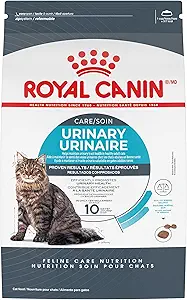
- Shop Royal Canin Urinary SO on Amazon (Prescription verification required)
- Your Local Veterinary Clinic (Often the fastest and most supportive source)
Purchasing through these links supports AvailPet’s research at no extra cost to you.
Conclusion: A Partnership for Health
Royal Canin Urinary SO is a powerful example of how advanced nutritional science can serve as effective medicine. Its success, however, is not automatic. It hinges on a vital partnership: the veterinarian’s expertise in diagnosis and monitoring, the diet’s targeted formulation, and the owner’s commitment to strict compliance and holistic care.
If your cat is showing signs of a urinary blockage—straining unproductively, crying, or lethargy—this is a life-threatening emergency. Seek immediate veterinary care. For long-term management, let this guide empower you to be an informed, effective partner in your cat’s urinary health.
Conclusion & Final Veterinarian Recommendations
We’ve navigated the complex science, the strict protocols, and the practical steps behind Royal Canin Urinary SO. Let’s distill this into final, actionable takeaways and cement the core philosophy for managing your cat’s urinary health.
The Core Takeaways
- Urinary SO is Medicine, Not Just Food. It is a prescription-grade therapeutic diet engineered to perform a specific biochemical task: dissolve struvite stones and prevent crystal recurrence by creating dilute, acidic urine with restricted minerals.
- The Veterinarian is the Gatekeeper. Success begins and ends with professional oversight. From accurate diagnosis (struvite vs. other stones) to monitoring urine pH, your vet’s role is non-negotiable for safety and efficacy.
- Owner Compliance is the Linchpin. The diet requires 100% commitment—no other foods or treats. This is often the hardest part, but it is the factor you control that most directly determines success or failure.
- It’s Part of a Holistic Strategy. While managing urine chemistry, also address the other pillars of feline urinary health: stress reduction through environmental enrichment and maximizing hydration with wet food and water fountains.
Final Veterinarian Recommendations
- For Prevention: Do not use Urinary SO prophylactically in healthy cats. Focus on providing a high-moisture diet, a low-stress environment, and regular veterinary check-ups instead.
- During Treatment: Be patient. Stone dissolution takes weeks. Attend all follow-up appointments to verify the diet is working as intended.
- For the Long Term: Understand that for cats with a history of stones or FLUTD, this is likely a lifelong management strategy. View it as a permanent, proactive investment in your cat’s quality of life and your peace of mind.
- In an Emergency: Remember that a cat who cannot urinate is in crisis. Urinary SO is for treatment and prevention, not for relieving an active, physical blockage. Know the signs (straining, vocalizing, lethargy) and seek immediate emergency veterinary care.
A Note on Hope & Modern Veterinary Science
A diagnosis of urinary stones or FLUTD can feel daunting. However, the existence of a tool like Royal Canin Urinary SO represents a significant advance in veterinary medicine. It offers a non-surgical path to dissolve stones and a scientifically-backed method to prevent painful recurrences. By partnering closely with your veterinarian and embracing the necessary commitments, you can effectively manage this condition and give your cat many more years of comfortable, healthy life.
For a complete overview of Royal Canin’s approach to feline nutrition across all life stages and needs, explore our pillar resource:
Royal Canin Cat Food: A Veterinarian’s Guide to Formulas, Benefits, and Choosing the Right One.
Disclaimer: The information provided in this article is for educational and informational purposes only and is not intended as veterinary medical advice, diagnosis, or treatment. Always consult your own veterinarian or a qualified veterinary professional regarding any health concerns or dietary changes for your pet. The author and AvailPet.com are not responsible for any decisions made or actions taken based on the content of this article. Therapeutic diets, including Royal Canin Veterinary Diets, should only be used under the direct supervision and prescription of a licensed veterinarian.
Sources: