When a cat develops urinary crystals, the treatment path seems straightforward: identify the crystal type and choose the corresponding diet. But what happens when the picture isn’t clear? Or worse—what if treating one type of crystal inadvertently sets the stage for another? In my veterinary practice, this is the complex reality for a growing number of patients, particularly those prone to the stubborn and recurrent calcium oxalate stones that have become more prevalent in recent years.
While our foundational guide to the Best Cat Food for Urinary Health details the full range of nutritional strategies, there exists a critical niche that demands a specialized tool. Many excellent prescription diets, like Royal Canin Urinary SO, are masters of dissolving struvite crystals. Others, like Hill’s c/d Multicare Stress, address the anxiety component of feline cystitis. But for the cat with oxalate issues, mixed crystals, or an unclear diagnosis, a different approach is needed.
Enter Purina Pro Plan Urinary Tract Cat Food—a diet engineered not for a single target, but for the complex, dual-threat landscape of feline urolithiasis. It represents a sophisticated balancing act in nutritional science: managing the conflicting urinary chemistry required to combat both major crystal types simultaneously.
In this review, I will dissect the precise science behind this broad-spectrum formulation, clarify exactly which cats stand to benefit most, and provide my clinical perspective on how it compares to other pillars in your cat’s urinary health arsenal.
At-a-Glance: The Decision Matrix
For cat owners navigating a new urinary diagnosis, here is a precise, scannable breakdown of where Purina Pro Plan UR St/Ox fits into the treatment landscape.
| Factor | Purina Pro Plan UR St/Ox Verdict | The Clinical Insight |
|---|---|---|
| Primary Purpose | Broad-Spectrum Crystal Management: Formulated to dissolve struvite AND prevent calcium oxalate uroliths. | This is the only leading prescription diet clinically formulated for this dual purpose, making it essential for complex cases. |
| Ideal Candidate | Cats with confirmed oxalate stones, a mixed crystal history, or recurrent struvite where crystal type is uncertain. | With oxalate diagnoses rising, this diet is increasingly a first-line consideration after imaging confirms stone type. |
| Key Differentiator | Calcium Citrate & Controlled Minerals: Uses specific nutrients to bind oxalates in the gut and balance urine pH without over-acidification. | This precise mechanism prevents the common treatment paradox where helping one crystal type worsens the other. |
| Prescription Required? | ✅ ABSOLUTELY. This is a veterinary therapeutic diet with specific medical indications. | A vet must confirm the need via urinalysis and imaging (X-ray/ultrasound) to rule out other conditions. |
| Our Rating | 9/10 for Target Patients. The superior choice for oxalate prevention and versatile crystal management. | It is not a universal urinary food, but for its intended purpose, it is clinically robust and often the most logical choice. |
Bottom Line: Think of this as the specialized multi-tool in the urinary care kit. If your cat’s issue involves the persistent, hard-to-dissolve calcium oxalate crystals, or if their crystal history is complex, this is the diet to discuss with your veterinarian. For straightforward, stress-related, or purely struvite cases, other excellent options in our guide may be more directly applicable.
The Clinical Dilemma: Navigating the Crystal Treatment Paradox
As a veterinarian, one of the most challenging urinary cases to manage is the cat with a history of both struvite and oxalate crystals, or worse—the cat we successfully treat for one type, only to see them develop the other. This isn’t a failure of care; it’s a fundamental challenge of feline urinary physiology that demands a sophisticated nutritional solution.
The Opposing Chemistry of Stones
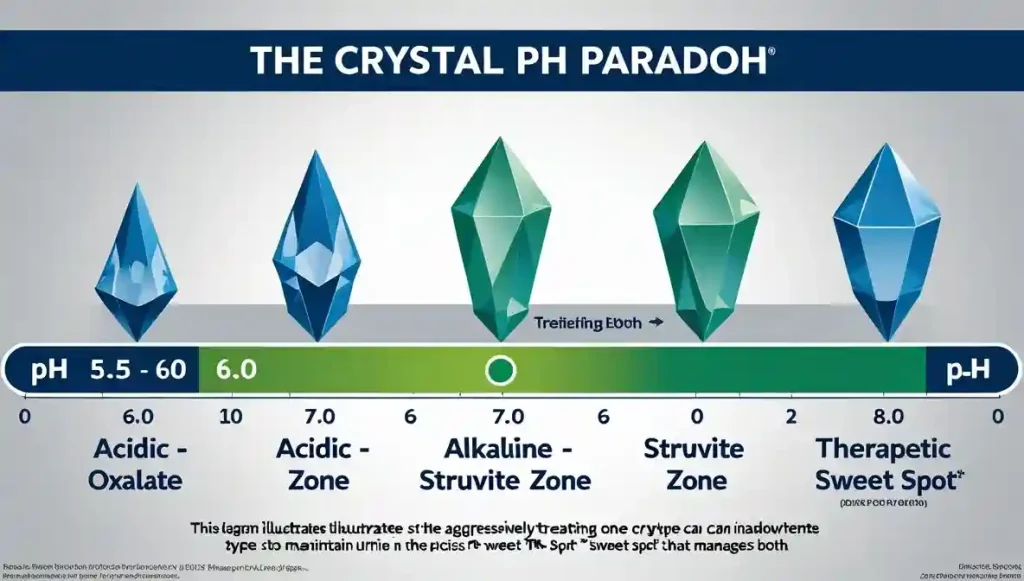
The core dilemma lies in the fact that struvite and calcium oxalate crystals form under nearly opposite urinary conditions:
- Struvite (Magnesium Ammonium Phosphate): Thrives in alkaline urine (high pH). The treatment strategy is to acidify the urine and restrict magnesium/phosphorus.
- Calcium Oxalate: Forms in acidic urine (low pH). The treatment strategy involves avoiding excessive acidification, managing calcium and oxalate intake, and using urinary buffers.
The Paradox: Aggressively acidifying the urine to dissolve struvite stones can inadvertently create the perfect environment for oxalate stones to form. This is why a cat with recurrent issues might seem to “switch” crystal types over time.
Why Oxalate Management is a Priority
In my practice, I am diagnosing calcium oxalate urolithiasis with increasing frequency. This trend is supported by broader veterinary data and is linked to several factors:
- An Aging Cat Population: Oxalate stones are more common in middle-aged to senior cats.
- Breed Predispositions: Persians, Himalayans, and Ragdolls have higher genetic risk.
- The Legacy of Past Treatments: Some cats with long-term urinary management histories are now presenting with oxalate issues.
The Critical Gap: Many excellent urinary diets, including the highly effective Royal Canin Urinary SO, are specialists—they are engineered to be the most potent solution for dissolving struvite. For the cat with diagnosed or suspected oxalate involvement, we need a generalist—a diet that provides robust urinary health support while specifically mitigating oxalate risk.
Purina Pro Plan UR St/Ox is formulated to be that generalist. It doesn’t just treat the crystal in front of us; it protects against the crystal that might form tomorrow, allowing for safe, long-term nutritional management without fueling a secondary problem. This makes it an indispensable part of a modern urinary health strategy.
Free Interactive Tool
Not sure exactly how many calories or cups your cat needs every day?
Don’t guess based on generic charts. Use our vet-backed Cat Feeding Calculator to get a precise, personalized daily meal and treat blueprint matching your cat’s exact weight and lifestyle.
Calculate Your Cat’s Portions Now →Dual-Pathway Science: How It Manages Conflicting Crystal Types
Purina Pro Plan UR St/Ox operates on a principle of biochemical balance. Instead of pushing urine chemistry to one extreme, it finds and maintains a precise middle ground—a therapeutic “sweet spot”—that addresses both major crystal threats simultaneously. Here’s how it works at a mechanistic level.
Pathway 1: Struvite Dissolution & Prevention
This pathway employs classic, proven urinary health strategies, similar to other top-tier prescription diets.
- Mineral Restriction: The formula provides controlled, reduced levels of magnesium and phosphorus—the essential building blocks of struvite crystals.
- Optimized Urine pH: It promotes a slightly acidic urine environment (target pH ~6.3). This acidity is sufficient to dissolve existing struvite stones and prevent new struvite crystal formation, but it is carefully calibrated to avoid the severe acidity that promotes oxalates.
- Dilution via Hydration: The diet encourages increased water intake (especially via the wet food forms), leading to more dilute urine. This simple physical principle lowers the concentration of all minerals, making it harder for any crystal to form.
Pathway 2: Oxalate Prevention & Management
This is where UR St/Ox differentiates itself. Its formulation includes specific interventions to break the oxalate cycle.
- Dietary Oxalate Restriction: The recipe limits ingredients high in oxalate precursors.
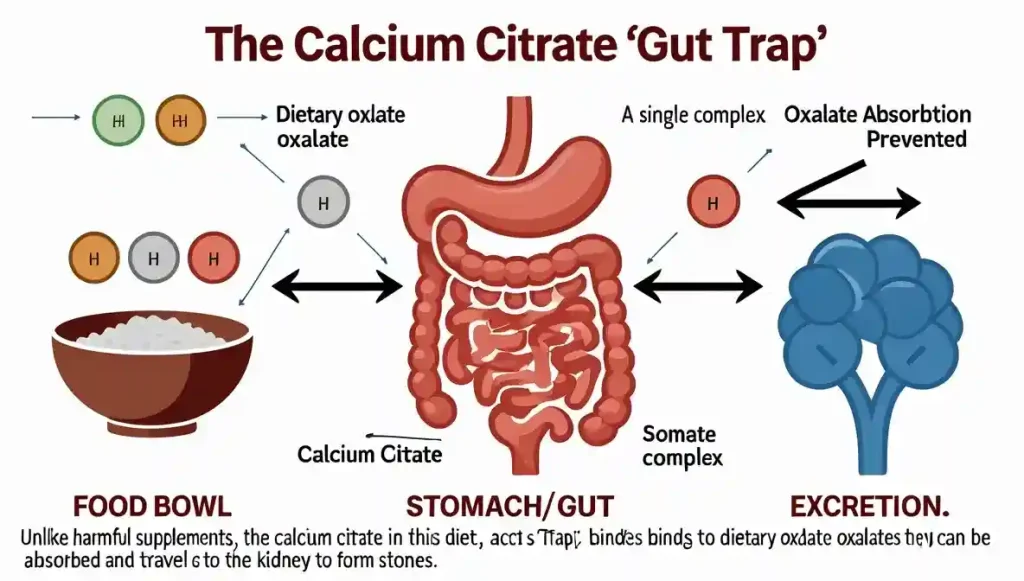
- Strategic Calcium Supplementation (Key Innovation): The diet includes calcium citrate. This may seem counterintuitive—why add calcium to a diet for calcium-based stones? The science is clever: this calcium binds to oxalates in the gastrointestinal tract before they are absorbed into the bloodstream. The bound complex is then excreted in the feces, preventing oxalates from ever reaching the kidneys to form stones.
- Citrate Buffering: The potassium citrate in the formula serves a dual purpose. First, it acts as a urinary buffer to help maintain that target pH without wild swings. Second, citrate itself is a natural inhibitor of calcium oxalate crystal formation in the urine.
- Clinical Outcome: The combined effect of these actions is a measurable reduction in the Relative Supersaturation (RSS) of urine for calcium oxalate. RSS is a lab measurement that predicts stone-forming risk; lowering it is the primary goal of medical management for oxalate-prone cats.
The Veterinarian’s Take: This isn’t a compromise diet; it’s a precision formula. It acknowledges that many cats don’t have a simple, single-issue urinary tract. By managing the chemistry of both major crystal types, it provides a safe, effective foundation for long-term care, especially when the exact crystal history is complex or unknown.
Ingredient Intelligence Report
Let’s examine what’s inside the bag and can. In therapeutic nutrition, each ingredient has a functional purpose. Below is my analysis of the formulation available via our affiliate link: View Purina Pro Plan UR St/Ox on Amazon.
(Always verify the label on your purchase, as manufacturers may update formulas.)
Therapeutic Ingredient Spotlight
| Ingredient | Category | Primary Therapeutic Function | Veterinary Context |
|---|---|---|---|
| Chicken | Protein Source | Provides essential, high-quality amino acids for overall health and tissue maintenance. | A highly digestible, palatable protein that minimizes unnecessary metabolic waste. |
| Corn Gluten Meal | Protein/Carbohydrate | A consistent, plant-based protein source that helps achieve the precise, low magnesium and phosphorus levels required. | Often misunderstood. In this context, it’s a functional tool for exact mineral balancing, not a “filler.” |
| Animal Fat (preserved with mixed tocopherols) | Energy & Skin Health | Provides concentrated calories and essential fatty acids for skin/coat health. Mixed tocopherols are natural, antioxidant preservatives. | Cats with urinary issues still need proper caloric intake and skin support, especially if stressed. |
| ✶ Calcium Citrate | Mineral Additive | The key oxalate-management ingredient. Binds dietary oxalates in the gut for fecal excretion, reducing the oxalate load filtered by the kidneys. | This is the strategic difference from struvite-only diets. It uses calcium as a therapeutic blocker, not a risk. |
| ✶ Potassium Citrate | Urinary Buffer | 1) Maintains the target urine pH (~6.3). 2) Provides citrate, a known inhibitor of calcium oxalate crystal growth in urine. | This dual action is critical for the “sweet spot” chemistry that manages both crystal types. |
| L-Lysine Monohydrochloride | Amino Acid | An essential amino acid that supports protein synthesis. May also help acidify urine. | Supports overall metabolic function within the controlled formula. |
✶ Denotes Core Differentiating Ingredients
Addressing Common Concerns
“Why are there by-products and grains in a premium diet?”
In a veterinary therapeutic diet, ingredients are selected for nutrient profile and consistency, not marketing appeal. “By-products” (like liver, lungs) are nutrient-dense organs. Grains like corn provide a predictable carbohydrate source that allows nutritionists to precisely control the mineral and protein matrix. This precision is non-negotiable for medical efficacy.
“Is the calcium safe for cats with oxalate stones?”
This is the most common question. Yes, when it’s in the form of calcium citrate and included in the diet itself. The calcium binds to oxalates in the food and gut, forming an insoluble complex that is excreted. This prevents oxalate absorption. Giving calcium supplements separately, however, can be dangerous and is never recommended without vet guidance.
Nutritional Profile at a Glance
Below is a representative guaranteed analysis for the dry food. The wet food will have significantly higher moisture.
| Nutrient | Typical Guarantee (Dry) | Why It Matters |
|---|---|---|
| Crude Protein (Min) | ~34% | Maintains muscle mass. Level is moderate, as very high protein can affect urine pH. |
| Crude Fat (Min) | ~13% | Provides essential energy. Important for palatability and coat health. |
| Crude Fiber (Max) | ~1.5% | Low fiber ensures high nutrient digestibility and doesn’t interfere with mineral balances. |
| Moisture (Max) | ~12% | Low. Reinforces the critical need to feed the wet food version or ensure ample water intake. |
| Calcium (Min) | ~1.0% | Higher than struvite-only diets. This reflects the intentional, therapeutic inclusion of calcium citrate for oxalate binding. |
| Magnesium (Max) | ~0.08% | Kept very low to prevent struvite formation, similar to other prescription urinary diets. |
| Taurine (Min) | Added | Essential for heart and eye health; always supplemented in cat foods. |
The Bottom Line: This ingredient panel is a medical recipe. Every component works in concert to execute the dual-pathway strategy. It should be evaluated on its clinical results—reduced crystal formation and dissolution of stones—not judged by the standards of a consumer “natural” food label.
Clinical Assessment: Pros, Cons & The Ideal Patient
Based on clinical outcomes and ongoing monitoring of patients, here is my evidence-based evaluation of Purina Pro Plan UR St/Ox, including where it excels and where other options from our urinary health guide may be more suitable.
The Advantages: Why This Diet Earns a Place in My Protocol
- Unmatched Versatility for Complex Cases: This is its standout feature. When a urinalysis shows “crystals present” but type is unclear, or when a cat has a history of both struvite and oxalate issues, this diet provides safe, effective coverage. It eliminates the guesswork and risk of choosing a diet that might exacerbate a secondary issue.
- Proactive Oxalate Prevention: For cats who have undergone surgery to remove calcium oxalate stones (which cannot be dissolved by diet), this diet is the gold-standard nutritional strategy to prevent recurrence. Studies show recurrence rates can exceed 50% without such intervention.
- High Palatability & Variety: Purina has invested significantly in palatability research. In practice, even picky eaters or cats recovering from illness often accept this diet readily. The availability of multiple wet food textures (pate, chunks in gravy) is a major advantage for maintaining long-term compliance.
- Research-Backed Formulation: Developed at Purina’s extensive research center, this diet is supported by controlled clinical studies and ongoing nutritional science, giving me confidence in its predictable efficacy.
The Considerations & Limitations
- Not for Kidney Disease (CKD): This diet contains moderate, not restricted, levels of protein and phosphorus. It is contraindicated for cats with diagnosed chronic kidney disease, who require a specifically formulated renal diet (e.g., Hill’s k/d, Royal Canin Renal).
- No Integrated Stress Support: It does not contain ingredients to address anxiety or stress, a major component of Feline Idiopathic Cystitis (FIC). For the cat whose urinary flare-ups are clearly linked to stress, Hill’s Prescription Diet c/d Multicare Stress would be a more targeted choice.
- Premium Prescription Cost: As with all therapeutic diets, this is an investment. The cost reflects the research and precise formulation. It is typically more expensive than over-the-counter “urinary” foods, which lack its medical specificity.
The Ideal Patient Profile
This diet is a precision tool. Your cat is a strong candidate if they match one of these clinical pictures:
- Confirmed Oxalate Stone Former: Diagnosis via X-ray or ultrasound of calcium oxalate urolithiasis. This is the primary patient.
- Mixed or Uncertain Crystal History: Recurrent urinary issues with lab reports showing different crystal types over time, or simply “crystals present” without definitive identification.
- Breed Predisposition: Breeds with higher oxalate risk (e.g., Himalayan, Persian) presenting with any urinary signs.
- Struvite Case with Complications: A cat with struvite that has developed acidic urine or other factors increasing oxalate risk.
If your cat has only ever had straightforward struvite crystals with no oxalate risk factors, a dedicated struvite diet like Royal Canin Urinary SO may be a more focused and potentially cost-effective choice. The power of UR St/Ox is in its breadth of protection.
Comparative Decision Framework
Choosing the right urinary diet requires matching the tool to the specific problem. Below is a clear, clinical framework to see where Purina Pro Plan UR St/Ox fits, both within its brand and against key competitors discussed in our master urinary health guide.
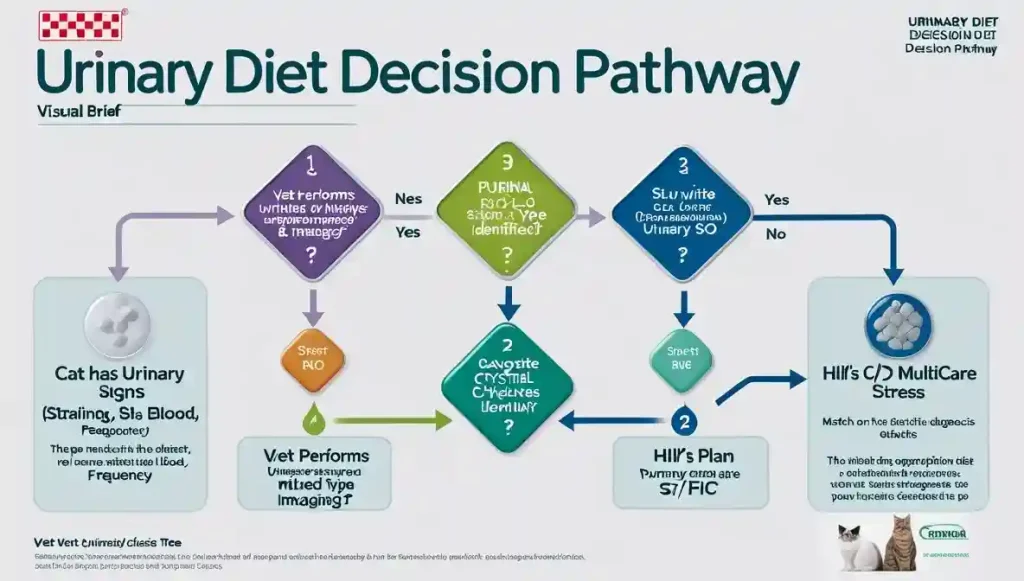
A flowchart with the following steps:
- Start: Urinary Signs Diagnosed → Crystal Type Confirmed?
- If YES, Oxalate or Mixed? → PURINA PRO PLAN UR ST/OX
- If YES, Struvite Only? → Consider Royal Canin Urinary SO
- If NO Crystals (FIC/Sterile)? → Consider Hill’s c/d Multicare Stress
Head-to-Head: UR St/Ox vs. Leading Competitors
| Feature | Purina Pro Plan UR St/Ox | Royal Canin Urinary SO | Hill’s c/d Multicare Stress |
|---|---|---|---|
| Primary Strength | Broad-Spectrum: Manages Struvite & Oxalate | Specialist: Potent Struvite Dissolution | Dual-Action: Struvite + Stress/Anxiety |
| Oxalate Prevention | ✅ Core Function (Calcium Citrate) | ❌ Not Addressed | ❌ Not Addressed |
| Stress/Anxiety Support | ❌ None | ❌ None | ✅ Built-in (L-Tryptophan) |
| Best For… | The cat with oxalate stones, mixed history, or unclear diagnosis. | The classic struvite crystal case with no oxalate risk. | The anxious cat with stress-triggered urinary inflammation (FIC). |
| Key Differentiator | Versatility & Prevention | Potency & Specificity | Holistic Mind-Body Approach |
| Clinical Take | The versatile workhorse for complex crystal management. | The most effective tool for confirmed struvite dissolution. | The first-line choice for stress-associated cystitis. |
Navigating the Purina Pro Plan Veterinary Line
To avoid confusion, here’s how UR St/Ox differs from other Purina veterinary diets:
| Purina Product | Key Differentiator | Ask Your Vet About This If… | Check Price |
|---|---|---|---|
| Pro Plan NF Kidney Function | Renal Support: Very low protein & phosphorus for Kidney Disease (CKD). | Your cat has impaired kidney function alongside urinary issues. | View on Amazon |
| Pro Plan UR Urinary St/Ox | Dual Crystal Management: For struvite & oxalate. | Your cat has oxalate stones or a complex crystal history. | View on Amazon |
| Pro Plan EN Gastroenteric | Digestive Support: Highly digestible for sensitive stomachs/IBD. | Your cat has concurrent digestive upset with urinary issues. | View on Amazon |
Critical Distinction: UR St/Ox is NOT a kidney diet. Its protein and phosphorus levels are appropriate for most cats but are too high for a cat in renal failure. Confusing these can worsen kidney disease.
The Veterinarian’s Synthesis
In practice, my recommendation follows this logic:
- “Oxalate on the X-ray?” → Start with Purina UR St/Ox.
- “Struvite crystals and a happy, relaxed cat?” → Start with Royal Canin SO.
- “Sterile inflammation (FIC) and a nervous cat?” → Start with Hill’s c/d Stress.
Purina UR St/Ox fills the essential and growing niche of oxalate management. It provides a safe, effective foundation for long-term care when the urinary picture is complex, making it an indispensable part of a modern veterinary toolkit.
Implementation Protocol & Long-Term Monitoring
A therapeutic diet’s success hinges on correct implementation and vigilant follow-up. Here is the clinical protocol I recommend for starting and managing a cat on Purina Pro Plan UR St/Ox.
Step 1: The Foundational Veterinary Work-Up
This diet cannot begin without a proper diagnosis. Your veterinarian must:
- Confirm Crystal/Stone Type: Via urinalysis (for crystals) and diagnostic imaging (X-ray or ultrasound) to visualize stones. Calcium oxalate stones are radio-opaque and visible on X-rays.
- Rule Out Contraindications: Check kidney values (bloodwork) to ensure kidney function is normal, as this diet is not for CKD.
- Provide the Prescription & Plan: Determine daily calories based on ideal weight and schedule the mandatory follow-up appointments.
Step 2: The Transition & Feeding Strategy
Transition Slowly: Mix with old food over 7-10 days to avoid gastrointestinal upset (25% new / 75% old, progressing to 100% new).
The Non-Negotiable Wet Food Rule:
The most critical advice I give owners is this: You must incorporate the wet food. The dry kibble alone is insufficient for optimal urinary health.
- Why? The wet food is approximately 78% moisture. This drastically increases total water intake, producing the dilute urine essential for flushing minerals and preventing crystal aggregation.
- Best Practice: Feed the dry kibble as a measured, all-day portion for weight management. Use one half-can of wet food daily as a scheduled meal. If your cat prefers only wet food, that is acceptable and often ideal.
Step 3: The Monitoring Timeline & Success Metrics
[CLINICAL PROTOCOL TIMELINE]
│
├── **MONTH 1 (4-8 Weeks):**
│    *First Recheck Urinalysis*
│    ► GOAL: Confirm urine pH is in target range (6.2-6.4).
│    ► GOAL: Check for absence of crystals.
│    ► ACTION: Adjust plan if pH is off or crystals persist.
│
├── **MONTH 3 (12 Weeks):**
│    *Follow-Up Imaging*
│    ► GOAL: For cats with initial stones, repeat X-ray/ultrasound
│      to confirm **stone dissolution (struvite) or lack of growth (oxalate).**
│
└── **ONGOING (Every 6-12 Months):**
     *Lifelong Surveillance for Oxalate-Prone Cats*
     ► Annual urinalysis and bloodwork.
     ► Consider periodic imaging if history is severe.
Step 4: At-Home Monitoring & Log
Be your cat’s primary health advocate. Keep a simple log:
| Date | Water Intake | Litter Box Visits | Urine Clump Notes | General Behavior |
|---|---|---|---|---|
| Start | Baseline | Baseline | Baseline | Baseline |
| e.g., 3/15 | Good at fountain | 5x (normal) | One large clump | Active, normal |
| e.g., 3/20 | — | 10+ (frequent) | Multiple tiny clumps | ALERT: Straining |
Red Flags Requiring Immediate Vet Contact:
- Straining to urinate with little/no production (potential blockage—EMERGENCY).
- Vocalizing in the litter box.
- Blood in urine.
- Lethargy or loss of appetite.
The Long-Term Outlook: A Lifelong Strategy
For cats with calcium oxalate urolithiasis, this is typically a lifelong nutritional commitment. Unlike struvite, oxalate stones do not dissolve with diet; they must be surgically removed. Therefore, the diet’s role is prevention of recurrence, which can be highly effective when compliance is strict.
Success is defined as: No recurrent clinical signs, no new stone formation on imaging, and maintenance of good urine quality on urinalysis. This diet, combined with ample water intake and regular veterinary partnership, offers the best chance for a healthy, stone-free life for an oxalate-prone cat.
FAQs About Purina Pro Plan Urinary Tract Cat Food
Here are direct answers to the most pressing questions cat owners have about Purina Pro Plan UR St/Ox, formatted for clarity and search visibility.
Can Purina Pro Plan UR dissolve existing oxalate stones?
No. No diet can dissolve calcium oxalate stones. Oxalate stones are chemically inert and must be removed surgically or via other medical procedures (e.g., cystotomy, lithotripsy). The primary purpose of this diet is to PREVENT the recurrence of oxalate stones after they have been removed and to manage urine chemistry to inhibit new crystal formation.
My cat only had struvite crystals. Is this diet a good choice?
It is effective, but may be overkill. Purina UR St/Ox will successfully dissolve and prevent struvite. However, if your cat has no history or risk factors for oxalate crystals, a dedicated struvite diet like Royal Canin Urinary SO may be a more targeted and potentially cost-effective choice. Discuss the long-term strategy with your veterinarian.
How does this diet prevent oxalate stones if it adds calcium?
This is the key innovation. The diet includes calcium citrate, which binds to oxalates in the gastrointestinal tract before they are absorbed into the bloodstream. This bound complex is then excreted in the feces. By reducing the amount of oxalate that reaches the kidneys, it directly lowers the risk of stone formation. This is fundamentally different from giving a calcium supplement, which can increase blood calcium and worsen the problem.
Is this diet safe for a cat with early kidney disease (CKD)?
No, it is not recommended for cats with Chronic Kidney Disease. This diet contains moderate levels of protein and phosphorus, which are not appropriately restricted for compromised kidneys. For a cat with concurrent urinary issues and CKD, your veterinarian would need to prioritize the most pressing condition or prescribe a specialized diet, such as Purina Pro Plan NF Kidney Function or similar.
My cat has Feline Idiopathic Cystitis (FIC) with no crystals. Is this the right food?
Not as a first choice. FIC is primarily driven by stress and bladder inflammation, not crystals. While the diet can support a healthy urinary environment, it lacks specific ingredients to address anxiety. For FIC, a diet like Hill’s Prescription Diet c/d Multicare Stress, combined with environmental enrichment, is often a more targeted nutritional approach.
How long does my cat need to stay on this food?
For cats with a history of oxalate stones, this is typically a LIFELONG commitment. Recurrence rates without preventive nutrition are very high. For cats with struvite or mixed issues, the duration may be reassessed by your vet after 6-12 months of successful management, but long-term feeding is common to prevent relapse.
Can I mix this with other urinary supplements or foods?
It is strongly discouraged. Adding other supplements (like urinary acidifiers) or mixing with different urinary foods can disrupt the precise mineral and pH balance of this therapeutic formula, reducing its efficacy or causing unintended urine chemistry changes. Use only as directed by your veterinarian.
Ethical Prescription & Final Professional Verdict
As a veterinarian, prescribing a therapeutic diet carries significant responsibility. This final section outlines the essential ethical framework and provides my conclusive assessment of Purina Pro Plan UR St/Ox within the modern veterinary landscape.
The Veterinary Gatekeeper Protocol: Essential Safeguards
This diet is a medical intervention, not a consumer choice. My prescription is contingent on a strict protocol:
- Diagnostic Certainty is Mandatory:
- Imaging Proof: A confirmed diagnosis via X-ray or ultrasound is non-negotiable to identify stone type (radio-opaque oxalate vs. struvite) and location.
- Urinalysis Baseline: A complete urinalysis establishes initial pH, crystal presence, and rules out infection.
- Bloodwork: Must assess kidney function and calcium levels to rule out contraindications like hypercalcemia or early CKD.
- The Follow-Up Mandate:
A prescription is a commitment to monitoring. I require:- First Recheck (4-8 weeks): Urinalysis to confirm target urine pH (6.2-6.4) and crystal resolution.
- Imaging Recheck (3 months): For stone-formers, repeat imaging to verify dissolution (struvite) or lack of progression (oxalate).
- Ongoing Surveillance: Lifelong annual check-ups for oxalate-prone patients.
- Clear Contraindications:
I will not prescribe this diet if:- The cat has Chronic Kidney Disease (CKD).
- The cat has idiopathic hypercalcemia.
- The primary issue is stress-induced FIC without crystalluria.
- The owner cannot commit to the required long-term feeding and veterinary monitoring.
Your Action Plan: Partnering with Your Veterinarian
If this review suggests UR St/Ox may be appropriate, take these steps:
- Schedule a Comprehensive Consult: Bring all previous medical records, imaging reports, and a detailed history of your cat’s episodes.
- Ask Informed Questions:
- “Do the imaging results definitively show oxalate or mixed stones?”
- “Are my cat’s kidney values normal for starting this diet?”
- “What is our specific follow-up schedule and success metrics?”
- Commit to the Holistic Plan: Understand that this diet is one component. Success equally depends on maximizing water intake (fountains, wet food) and maintaining regular veterinary care.
Final Professional Verdict
Purina Pro Plan Veterinary Diets UR Urinary St/Ox is the most strategically important diet for managing the complex, dual-threat landscape of feline urolithiasis. It is not a universal urinary food; it is a specialized tool of remarkable versatility.
I prescribe it with confidence in two primary scenarios:
- As the foundational, lifelong nutritional strategy for any cat that has formed calcium oxalate stones.
- As the prudent first-choice intervention when the crystal type is uncertain or the history is mixed, preventing the treatment paradox.
While Royal Canin Urinary SO remains the specialist for struvite, and Hill’s c/d Stress the innovator for anxiety-driven cystitis, Purina UR St/Ox is the essential generalist. It provides a safe, research-backed platform for long-term management in an era where oxalate diagnoses are rising and patients often present with complicated histories.
Final Recommendation: “If your cat’s urinary health puzzle involves the persistent challenge of oxalate crystals, this diet is likely the cornerstone of their long-term care plan. Consult your veterinarian to confirm the diagnosis and establish a monitoring protocol.”
Where to Purchase (With a Valid Prescription):
- → View Purina Pro Plan UR St/Ox on Amazon (Prescription Required)
- Your Veterinary Clinic
- Authorized Online Veterinary Pharmacies (e.g., Chewy Pharmacy)
Return to our comprehensive resource: Best Cat Food for Urinary Health
Sources
- Cornell Feline Health Center: “Feline Lower Urinary Tract Disease.”
- ACVIM Consensus Statement: “Treatment and Prevention of Uroliths in Dogs and Cats.” (2016).
- WSAVA Global Nutrition Guidelines
- Purina Pro Plan Urinary Product Info
A Critical Disclaimer from Our Veterinarians: This article is for informational purposes and is reviewed by a veterinary professional. However, urinary issues can constitute a medical emergency, especially for male cats who are prone to life-threatening blockages. Always consult your veterinarian for a diagnosis and treatment plan before changing your cat’s diet. The recommendations here are intended to be used under veterinary guidance.