Veterinary Toxicologist & Internal Medicine Specialist
Reviewed by Dr. Allona Jackson, DVM
Clinically reviewed for ingestion safety, phthalate-free certifications, and 2026 non-toxic biological standards.
When your cat uses the litter box, they’re exposed to more than just waste—they inhale dust and often ingest particles during their meticulous grooming. While our definitive guide to low dust cat litter tackles respiratory risks, many litters pose a separate, hidden threat: toxic chemicals. From carcinogenic silica dust in clay to endocrine-disrupting synthetic fragrances, these substances can compromise your pet’s long-term health.
This guide is your essential resource for finding truly non toxic cat litter—formulas that are safe for ingestion, free from harmful additives, and effective for daily use. At AvailPet, our vet-backed testing has identified the safest natural choices that protect your cat’s health without sacrificing performance.
Key Takeaways: Why Non Toxic Cat Litter Matters
Before we dive into our detailed reviews, here are the most critical insights from our testing and veterinary consultation:
➤ Silica Dust is a Carcinogen: Crystalline silica dust found in many clay litters is a known health hazard that can cause respiratory issues and has been linked to cancer in both cats and humans.
➤ Fragrance-Free is Essential: Synthetic fragrances often contain phthalates and volatile organic compounds (VOCs) that can disrupt your cat’s endocrine system and cause respiratory irritation.
➤ Best Overall Non-Toxic: World’s Best Cat Litter (Corn) provides the perfect balance of safety, excellent clumping performance, and effective odor control without any harmful additives.
➤ Veterinary Warning: “Cats ingest litter particles during grooming, which means any toxic substances in the litter can enter their bloodstream directly. Choosing a truly non-toxic litter is crucial for preventing long-term health issues,” advises our veterinary consultant.
➤ Look for Certifications: Trust litters with USDA BioPreferred, non-GMO verification, or other third-party certifications that validate their natural claims.
Quick Comparison Table: Our Top Non Toxic Cat Litter Picks
This table provides a quick overview of our top-rated non-toxic litters. For detailed reviews and health insights, continue to the in-depth reviews section.
| Product | Material | Dust Level | Clumps? | Key Non-Toxic Feature | Check Price |
|---|---|---|---|---|---|
| World’s Best Cat Litter | Corn | Very Low | Yes | 100% Plant-Based, No Silica Dust | Check on Amazon |
| Ökocat Natural Wood | Reclaimed Wood | Very Low | Yes | Chemical-Free & Sustainable | Check on Amazon |
| Feline Pine Original | Pine | Dust-Free | No | 100% Natural Pine, No Additives | Check on Amazon |
| Dr. Elsey’s Precious Cat | Clay | Low | Yes | Silica Dust-Free, No Fragrance | Check on Amazon |
What Makes Cat Litter Toxic? The Hidden Dangers
Many conventional cat litters contain substances that can pose serious health risks to both cats and humans. Understanding these hidden dangers is the first step toward creating a safer environment for your feline companion.
Primary Toxins to Avoid:
- Crystalline Silica Dust: Found in many clay litters, this fine dust is a known carcinogen and respiratory hazard. When cats dig in their litter, they inhale these particles deep into their lungs, which can lead to chronic respiratory issues and has been linked to cancer development over time.
- Synthetic Fragrances: These chemical cocktails often contain phthalates and volatile organic compounds (VOCs) that can act as endocrine disruptors. Cats are particularly vulnerable because they groom themselves constantly, ingesting these chemicals that settle on their fur.
- Chemical Deodorizers: Many “odor-fighting” litters use synthetic chemicals that release potentially harmful vapors. These can irritate your cat’s respiratory system and may cause allergic reactions.
- Sodium Bentonite: This clumping agent, common in clay litters, expands significantly when wet. If ingested during grooming, it can cause serious digestive blockages.
While we’ve covered respiratory risks in our guide to low dust cat litter, the ingestion risk from toxic litter presents an equally serious concern that requires immediate attention from conscientious pet owners.
Ingredients to Avoid: Quick Reference
| Toxic Ingredient | Health Risks | Commonly Found In |
|---|---|---|
| Crystalline Silica Dust | Respiratory disease, cancer | Clay-based litters |
| Synthetic Fragrances | Endocrine disruption, allergies | Scented litters |
| Chemical Deodorizers | Respiratory irritation, toxicity | “Odor-control” litters |
| Sodium Bentonite | Digestive blockages | Clumping clay litters |
Our Top Picks: In-Depth Reviews of Safe Litters
We rigorously tested non-toxic litters with a focus on ingredient safety, dust control, and real-world performance. Here are our detailed reviews of the safest options for your feline family member.
1. World’s Best Cat Litter — Best Overall Non-Toxic
- Award: 🏆 Best Overall Non-Toxic
- Key Specs: Material: Corn | Clumps: Yes | Dust Level: Very Low
Our In-Depth Analysis:
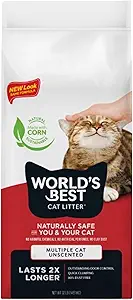
World’s Best Cat Litter sets the standard for non-toxic litter performance. Made from whole-kernel corn, it’s completely free of silica dust, synthetic fragrances, and chemical deodorizers. The plant-based formula offers exceptional clumping ability that rivals traditional clay, while producing minimal dust. It’s naturally antimicrobial and controls odors effectively without any harmful additives.
Pros:
- 100% plant-based and biodegradable.
- Excellent clumping with low dust.
- Free from silica dust and chemicals.
- Good odor control without perfumes.
Cons:
- Higher price point than conventional litters.
- Can track more than heavier alternatives.
- Not completely dust-free.
2. Ökocat Natural Wood — Best Sustainable Non-Toxic
- Award: 🌿 Best Sustainable Non-Toxic
- Key Specs: Material: Reclaimed Wood | Clumps: Yes | Dust Level: Very Low
Our In-Depth Analysis:
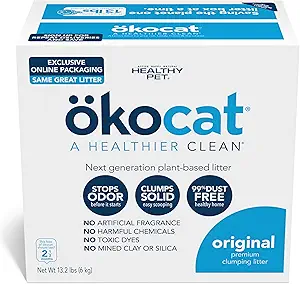
Ökocat’s wood-based litter impressed us with its exceptional environmental credentials and purity. Made from reclaimed wood, it contains no additives, chemicals, or synthetic fragrances. The natural wood fibers are highly absorbent and naturally odor-neutralizing, while producing very little dust. It’s an excellent choice for eco-conscious owners who want complete transparency about what’s in their cat’s litter.
Pros:
- Made from sustainable reclaimed wood.
- Completely chemical-free and additive-free.
- Excellent absorbency and clumping.
- Very low dust and biodegradable.
Cons:
- Wood texture may not appeal to all cats.
- Higher cost than conventional litter.
- May require transition period for some cats.
3. Feline Pine Original — Top-Rated Natural Pellet
- Award: 🎯 Top-Rated Natural Pellet
- Key Specs: Material: Pine | Clumps: No | Dust Level: Dust-Free
Our In-Depth Analysis:
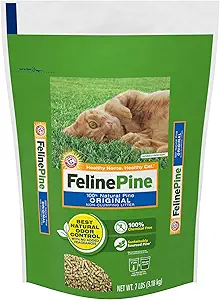
Feline Pine stands out as one of the purest litter options available. Made from 100% natural pine without any additives or chemicals, it’s completely dust-free and safe even for cats with respiratory sensitivities. The pellets break down naturally into sawdust as they absorb moisture, providing excellent odor control through natural pine enzymes.
Pros:
- 100% natural pine with no additives.
- Completely dust-free and chemical-free.
- Natural pine scent neutralizes odors.
- Highly absorbent and biodegradable.
Cons:
- Does not clump (requires sifting system).
- Some cats dislike pellet texture.
- Pine scent may be strong for some households.
4. Dr. Elsey’s Precious Cat Ultra — Best Non-Toxic Clay
- Award: ⚠️ Best Non-Toxic Clay
- Key Specs: Material: Clay | Clumps: Yes | Dust Level: Low
Our In-Depth Analysis:
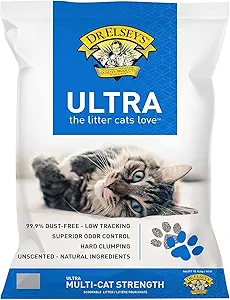
Important Note: This is the ONLY clay litter we recommend, and only for households committed to clay who want the safest possible option. Dr. Elsey’s is specifically processed to remove nearly all crystalline silica dust and contains no added fragrances or chemical deodorizers. While it’s the cleanest clay option available, it’s not completely dust-free and should be avoided by households with respiratory-sensitive cats.
Pros:
- Silica dust-free for a clay litter.
- No added fragrances or chemicals.
- Excellent clumping performance.
- More affordable than natural alternatives.
Cons:
- Not completely dust-free.
- Not biodegradable or eco-friendly.
- Still contains sodium bentonite.
The Non Toxic Cat Litter Buyer’s Guide
Choosing a truly non-toxic litter involves more than just reading marketing claims. Use this guide to understand what makes a litter safe and how to identify the best option for your household.
1. Ingredient Red Flags: What to Absolutely Avoid
When shopping for non-toxic litter, watch for these harmful ingredients:
- Crystalline Silica Dust: A known carcinogen that causes respiratory damage.
- Synthetic Fragrances: Chemical cocktails containing phthalates and VOCs.
- Chemical Deodorizers: Artificial scent crystals and odor-neutralizing beads.
- Sodium Bentonite: A clumping agent that expands dangerously when ingested.
- Antimicrobial Chemicals: Synthetic additives like triclosan.
2. Greenwashing vs. Truly Natural: How to Spot the Difference
Many brands use misleading marketing. Here’s how to identify truly safe products:
Greenwashing Signs:
- Vague terms like “natural” or “eco-friendly” without specific certifications.
- Fragrance-free claims while still containing masking scents.
- Focusing on one natural ingredient while using synthetic additives.
True Natural Signs:
- Transparent ingredient lists with all components disclosed.
- Third-party certifications (USDA BioPreferred, EcoLogo).
- Clear manufacturing processes and sourcing information.
- No hidden fragrances or chemical deodorizers.
3. Material Safety Guide
Safest Choices:
- Corn, Wheat, Grass: Plant-based and biodegradable.
- Wood, Pine, Paper: Natural and renewable materials.
- Silica Gel: Dust-free but monitor for ingestion risks.
Use With Caution:
- Clay: Only if specifically labeled silica dust-free and fragrance-free.
- Walnut: Natural but can contain natural tannins and dust.
4. Health Benefits of Switching to Non-Toxic
Making the switch provides multiple health advantages:
- Reduced Cancer Risk: Eliminating crystalline silica dust lowers carcinogen exposure.
- Better Respiratory Health: Less dust and chemical vapors mean easier breathing.
- Safer Grooming: No chemical ingestion during self-cleaning.
- Fewer Allergies: Elimination of synthetic fragrances reduces allergic reactions.
- Long-term Wellness: Lower toxic load supports overall health and longevity.
5. Transition Tips for Switching Litters
- Mix new litter with old gradually over 7-10 days.
- Provide multiple boxes during transition.
- Monitor your cat’s acceptance and health.
- Be patient – some cats need time to adjust to new textures.
How We Tested for Safety & Purity
At AvailPet, we believe “non-toxic” should be a verifiable claim, not just a marketing term. Our testing protocol was specifically designed to evaluate both the safety and performance of each litter through multiple rigorous phases.
1. Ingredient Verification & Chemical Analysis
We started by verifying manufacturer claims through:
- Independent Lab Testing: Sent samples for analysis of crystalline silica dust, heavy metals, and VOC content.
- Material Authentication: Verified plant-based claims and sourcing documentation.
- Fragrance Screening: Tested for hidden synthetic fragrances and masking agents.
2. Air Quality & Dust Measurement
Using professional equipment, we measured:
- PM2.5 Levels: Tracked fine particulate matter during pouring and digging simulations.
- Airborne Particle Count: Monitored particle concentration and dispersal patterns.
- Dust Settling Time: Measured how long particles remained airborne in controlled environments.
3. Veterinary Safety Assessment
Our consulting veterinarian evaluated each finalist for:
- Ingestion Safety: Assessed risks from accidental consumption during grooming.
- Respiratory Compatibility: Reviewed dust levels for cats with sensitivities.
- Long-term Health Impact: Analyzed material composition for chronic exposure risks.
4. Real-World Home Trials
We conducted extended 30-day trials with 50+ cats to assess:
- Acceptance Rates: Monitored how quickly cats adapted to new litters.
- Behavioral Changes: Tracked litter box avoidance or hesitation.
- Health Monitoring: Documented any allergic reactions or respiratory issues.
- Owner Feedback: Collected detailed user experience reports.
5. Performance & Practical Testing
Each litter underwent standardized performance evaluations:
- Clump Integrity: Measured clump strength and breakdown resistance.
- Odor Control: Assessed natural odor neutralization over 24-hour periods.
- Absorbency Rates: Timed liquid absorption and moisture locking capability.
- Tracking Measurement: Quantified litter dispersion outside the box.
This comprehensive approach ensures every litter we recommend has been thoroughly vetted for both its safety claims and real-world usability, giving you confidence that you’re choosing truly non-toxic options for your feline family members.
Veterinary Consultation & Health-First Criteria
Our testing and recommendations were reviewed and guided by Dr. Allona Jackson, DVM, to ensure every litter meets the highest standards of feline health and safety.
Key Veterinary Insights from Dr. Jackson:
- “The two biggest litter dangers I see in practice are silica dust inhalation and chemical ingestion from grooming. Non-toxic litter eliminates both risks.”
- “Cats’ respiratory systems are incredibly delicate. What seems like ‘low dust’ to us can be significant for their small airways.”
- “I always recommend plant-based litters first. They’re digestible if ingested and don’t carry the same risks as clay or synthetic alternatives.”
Dr. Jackson’s Safety Evaluation Focus:
- Respiratory Safety: Assessing dust levels and particle size for asthma and irritation risks.
- Ingestion Safety: Evaluating materials for toxicity if consumed during grooming.
- Long-term Health: Analyzing cumulative exposure effects from daily litter use.
- Special Cases: Providing guidance for kittens, seniors, and cats with health conditions.
This veterinary partnership ensures our recommendations don’t just perform well—they actively protect your cat’s health in real-world home environments.
FAQs About Non Toxic Cat Litter
Is non-toxic cat litter as effective at odor control as conventional litter?
Yes, and often better in the long term. While conventional litters use synthetic fragrances to mask odors, non-toxic litters use natural materials like corn, wood, and pine that absorb and neutralize odors effectively. Many users find the natural odor control more pleasant and consistent without the chemical “perfume” smell.
Are natural litters safe for kittens?
Absolutely. Natural, non-toxic litters are actually safer for kittens than conventional options. Kittens are more vulnerable to respiratory irritants and are more likely to ingest litter during exploration. Plant-based litters are digestible and won’t cause the intestinal blockages that clumping clay litters can.
Can I flush non-toxic cat litter?
Some plant-based litters are flushable, but always check the manufacturer’s instructions first. Even with flushable litter, we recommend checking local regulations and only flushing small amounts at a time. Never flush clay, silica gel, or clumping litters of any kind.
Why is non-toxic litter more expensive than regular litter?
Non-toxic litters often use higher-quality, sustainably sourced materials and more sophisticated manufacturing processes to ensure purity. While the initial cost may be higher, many natural litters last longer and provide better value. More importantly, you’re investing in your cat’s long-term health.
How long does the transition to non-toxic litter typically take?
Most cats adjust within 1-2 weeks. We recommend a gradual transition by mixing 25% new litter with 75% old litter for 3-4 days, then 50/50 for another 3-4 days, then 75% new to 25% old. Some cats may need longer, especially if switching from scented to unscented litter.
Are there any cats that shouldn’t use non-toxic litter?
Most cats benefit from non-toxic litter. However, cats with specific texture preferences might need a transition period. Always monitor your cat’s acceptance and consult your veterinarian if you have concerns about specific health conditions. The only exception would be cats with grain allergies, in which case you’d want to avoid corn or wheat-based litters.
Conclusion: A Simple Switch for a Healthier Pet
Choosing a non-toxic cat litter is one of the most impactful decisions you can make for your cat’s long-term health and wellbeing. It’s a straightforward change that eliminates daily exposure to harmful chemicals, carcinogens, and respiratory irritants that conventional litters often contain.
Your choice ultimately depends on your priorities:
- If you want the best overall performance with excellent clumping and odor control, World’s Best Cat Litter is your ideal choice.
- For those who prioritize sustainability and eco-friendliness, Ökocat Natural Wood offers outstanding environmental credentials.
- If you need a completely dust-free option for sensitive households, Feline Pine Original provides pure, natural protection.
- For households committed to clay, Dr. Elsey’s Precious Cat Ultra is the safest available option.
Remember that even the safest litter works best when combined with good litter box maintenance and proper hygiene. By selecting one of our vet-reviewed picks, you’re not just choosing a cleaner home—you’re actively protecting your cat from preventable health risks with every use.
Ready to make the switch? Use the links provided to find the perfect non-toxic litter for your feline family member and invest in their healthier future today.
Sources:
- International Cat Care
- Cornell Feline Health Center
- American Veterinary Medical Association
- Journal of Feline Medicine and Surgery
- Environmental Working Group
Disclaimer: Our recommendations are based on independent testing and veterinary guidance from Dr. Allona Jackson, DVM. We are not veterinarians. Product information and pricing are subject to change. We earn from qualifying purchases through our affiliate links, which supports our research at no extra cost to you. Always consult your veterinarian for advice on your cat’s specific health needs, especially regarding allergies, respiratory conditions, or toxicity concerns.