


Pediatric Feline Health & Development Specialist
Reviewed by Dr. Allona Jackson, DVM
Clinically reviewed for bio-digestibility, pediatric pulmonary protection, and 2026 kitten behavioral training standards.
Choosing your kitten’s first litter is a foundational step in their health and training. While our definitive guide to low dust cat litter covers respiratory safety for all ages, kittens have unique vulnerabilities. Their curiosity leads to tasting everything, their lungs are still developing, and their tiny paws are sensitive.
According to Dr. Allona Jackson, DVM, “A kitten’s small size and rapid metabolism make them far more susceptible to toxins and irritants than adult cats.” This guide focuses specifically on finding the best litter for kittens—formulas that are ingestible, dust-free, and gentle to ensure a safe and successful start to litter box habits.
Key Takeaways: Kitten Litter Safety First
Before we dive into our detailed reviews, here are the most critical insights from our testing and veterinary consultation with Dr. Allona Jackson, DVM:
➤ Non-Toxic is Non-Negotiable: Kittens explore with their mouths, making 100% ingestible, plant-based litters the safest choice.
➤ Dust-Free Protects Developing Lungs: A kitten’s respiratory system is particularly vulnerable; dust-free formulas prevent long-term damage.
➤ Best Overall for Training: Dr. Elsey’s Kitten Attract combines minimal dust with a natural herb scent that encourages consistent litter box use.
➤ Veterinary Warning: “A kitten’s higher metabolic rate means toxins are processed more quickly and can cause greater harm. Safety must come before convenience,” emphasizes Dr. Allona Jackson, DVM.
➤ Proper Setup is Crucial: Use a shallow, open litter box placed in a quiet location to build lifelong good habits from the start.
Quick Comparison Table: Our Top Kitten-Safe Litter Picks
This table provides a quick overview of our top-rated kitten-safe litters. For detailed reviews and training tips, continue to the in-depth reviews section.
| Product | Material | Dust Level | Clumps? | Key Kitten-Safe Feature | Check Price |
|---|---|---|---|---|---|
| Dr. Elsey’s Kitten Attract | Clay | Very Low | Yes | Natural Herb Attractant, Gentle Texture | Check on Amazon |
| World’s Best Cat Litter | Corn | Very Low | Yes | 100% Digestible & Plant-Based | Check on Amazon |
| Purina Tidy Cats Naturally Strong | Clay | Low | Yes | Unscented, Reliable Clumping | Check on Amazon |
| Ökocat Super Soft | Wood | Very Low | Yes | Sustainable, Soft Granules | Check on Amazon |
Why Kitten Litter Needs Are Different: A Vet’s Perspective
Kittens aren’t just small cats—they have specific developmental needs that make litter choice critically important. Dr. Allona Jackson, DVM explains the three key areas where kittens need special consideration:
1. Ingestion Risks During Exploration
“Kittens explore the world with their mouths, which means they will inevitably taste and potentially ingest litter,” says Dr. Jackson. “This makes non-toxic, digestible formulas absolutely essential. What might pass through an adult cat’s system could cause serious intestinal blockages or toxicity in a kitten.”
2. Developing Respiratory Systems
A kitten’s lungs are still developing, making them particularly vulnerable to airborne irritants. “The delicate lung tissue in kittens can be permanently affected by consistent exposure to litter dust,” Dr. Jackson warns. “Dust-free or very low-dust litters aren’t just preferable—they’re necessary for proper respiratory development.”
3. Sensitivity and Paw Comfort
“Kittens have more sensitive paw pads than adult cats,” notes Dr. Jackson. “Harsh, sharp, or overly large litter particles can deter them from using the box consistently. The right texture encourages good litter habits from the start.”
This heightened vulnerability is why the safety standards in our main guide to low dust cat litter represent just the starting point for kitten litter selection. For kittens, we must go beyond low dust to prioritize complete ingestible safety and paw-friendly textures.
Our Top Picks: In-Depth Reviews of Kitten-Safe Litters
We tested the leading kitten-safe litters with a focus on ingestible safety, dust control, and real-world training performance. Here are our detailed reviews.
1. Dr. Elsey’s Kitten Attract — Best Overall for Kittens

- Award: 🏆 Best Overall for Kittens
- Key Specs: Material: Clay | Clumps: Yes | Dust Level: Very Low
Our In-Depth Analysis:
Dr. Elsey’s Kitten Attract stands out as the most effective litter for training new kittens. Its fine, soft texture is gentle on paws, and the proprietary herbal attractant encourages kittens to use the box consistently. The clay formula is processed to be 99.9% dust-free, making it safe for developing respiratory systems.
Pros:
- Natural herb attractant encourages litter box use.
- Very low dust for a clay formula.
- Soft texture is gentle on kitten paws.
- Forms firm, easy-to-scoop clumps.
Cons:
- Still contains clay (monitor for ingestion)
- Not biodegradable.
- Slightly more expensive than regular clay litters.
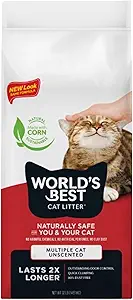
2. World’s Best Cat Litter — Best Natural for Kittens
- Award: 🌿 Best Natural for Kittens
- Key Specs: Material: Corn | Clumps: Yes | Dust Level: Very Low
Our In-Depth Analysis:
World’s Best Cat Litter provides the perfect combination of safety and performance for kittens. The 100% corn formula is completely digestible and non-toxic, eliminating concerns about accidental ingestion. It produces minimal dust while forming strong, reliable clumps that make cleanup easy.
Pros:
- 100% digestible and non-toxic.
- Plant-based and biodegradable.
- Very low dust with excellent clumping.
- Good odor control without chemicals.
Cons:
- Higher price point than clay litters.
- Can track more than heavier alternatives.
- May require gradual transition for some kittens.
3. Purina Tidy Cats Naturally Strong — Best for Multi-Kitten Homes

- Award: 🐾 Best for Multi-Kitten Homes
- Key Specs: Material: Clay | Clumps: Yes | Dust Level: Low
Our In-Depth Analysis:
Purina Tidy Cats Naturally Strong offers reliable performance for households with multiple kittens. The unscented formula contains no perfumes or chemical deodorizers, and it generates less dust than most conventional clay litters. The strong clumping action makes it easy to maintain cleanliness with multiple kittens using the same box.
Pros:
- Unscented with no added perfumes.
- Low dust for a clay litter.
- Forms solid, non-stick clumps.
- More affordable than premium options.
Cons:
- Not the safest if ingested regularly.
- Not biodegradable.
- Still produces some dust compared to dust-free options.
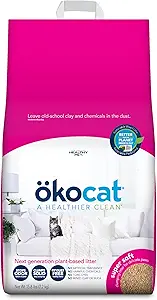
4. Ökocat Super Soft — Best Sustainable Kitten Litter
- Award: 🌍 Best Sustainable Kitten Litter
- Key Specs: Material: Wood | Clumps: Yes | Dust Level: Very Low
Our In-Depth Analysis:
Ökocat Super Soft delivers exceptional environmental credentials without compromising on kitten safety. Made from reclaimed wood with no additives or chemicals, it offers very low dust in a soft, fine texture that kittens find comfortable. The natural wood fibers are highly absorbent and naturally odor-neutralizing.
Pros:
- Made from sustainable reclaimed wood.
- Very low dust and chemical-free.
- Soft, fine texture ideal for kittens.
- Biodegradable and compostable.
Cons:
- Higher cost than conventional litter.
- May require transition period.
- Wood scent may not appeal to all owners.
Kitten Litter Box Setup Guide
Proper litter box setup is just as important as choosing the right litter. Follow these guidelines to create an environment where your kitten will succeed.
Choosing the Right Box
- Low Entry Point: Select a box with sides no higher than 3 inches for easy access.
- Adequate Size: Large enough for your kitten to turn around comfortably, but not so large it’s intimidating.
- Simple Design: Avoid covered boxes initially—they can trap odors and make kittens feel trapped.
Strategic Placement
- Quiet Location: Place in a low-traffic area away from loud appliances and feeding stations.
- Easy Access: Ensure your kitten can reach the box without navigating obstacles or stairs.
- Multiple Boxes: Follow the “plus one” rule—one box per kitten plus one extra.
- Escape Routes: Never place boxes in corners where kittens could feel cornered.
The Transition Process
- Gradual Introduction: Mix 75% old litter with 25% new litter for 2-3 days, then 50/50, then 25/75 before switching completely.
- Routine Reinforcement: Gently place your kitten in the box after waking, eating, and playing.
- Positive Association: Use verbal praise and small treats when your kitten uses the box successfully.
- Patience is Key: Allow 1-2 weeks for full transition to new litter types.
Hygiene & Maintenance
- Frequent Scooping: Remove waste at least twice daily—kittens are particularly sensitive to dirty boxes.
- Regular Changes: Completely change non-clumping litter every 2-3 days; clumping litter weekly.
- Proper Cleaning: Use mild, unscented soap and warm water—avoid harsh chemicals that might deter use.
- Observation: Monitor your kitten’s habits—changes in frequency or behavior can indicate health issues.
Dr. Allona Jackson, DVM adds: “The first few weeks of litter box training set patterns for life. Proper setup and maintenance prevent future avoidance issues and help establish lifelong good habits.”
Kitten Litter Buyer’s Guide: Safety First Criteria
Use this guide to understand what makes a litter truly kitten-safe and how to choose the best option for your new pet.
The Absolute Must-Haves
- Non-Toxic & Digestible: Must be safe if ingested during exploration.
- Dust-Free or Very Low Dust: Protects developing respiratory systems.
- Unscented Formula: Free from synthetic fragrances and chemical perfumes.
- Soft Texture: Gentle on sensitive paw pads to encourage consistent use.
Material Safety Guide
Safest Choices:
- Corn, Wheat, Paper: Plant-based and fully digestible.
- Wood Pellets: Natural and low-dust when properly processed.
- Paper Pellets: Completely dust-free and soft.
Use With Caution:
- Clay Litters: Only if specifically labeled as low-dust and fragrance-free.
- Silica Gel: Avoid due to ingestion risks and sharp crystal edges.
Performance Considerations
- Clumping vs. Non-Clumping: Clumping is convenient but ensure strong clumps that won’t break apart.
- Odor Control: Look for natural odor neutralizers rather than masking scents.
- Tracking: Choose heavier granules or use a good litter mat to minimize spread.
Health & Safety Checklist
- ✅ 100% non-toxic if ingested.
- ✅ Dust-free or very low dust.
- ✅ No added fragrances or chemicals.
- ✅ Soft, kitten-friendly texture.
- ✅ Strong clumping (if choosing clumping litter).
- ✅ Easy to scoop and maintain.
Dr. Allona Jackson, DVM emphasizes: “When evaluating kitten litter, consider that everything in their environment gets tested with their mouth first. If you wouldn’t feel comfortable with your kitten eating it, don’t use it as litter.”
How We Tested for Kitten Safety
At AvailPet, we understand that kitten safety requires more than marketing claims. Our testing protocol was specifically designed to evaluate both safety and real-world usability for young cats.
1. Ingredient Safety Verification
We started by verifying manufacturer claims through:
- Veterinary Review: Dr. Allona Jackson, DVM analyzed ingredient lists for potential hazards.
- Digestibility Assessment: Evaluation of materials for safety if accidentally ingested.
- Chemical Screening: Testing for hidden fragrances, deodorizers, and processing chemicals.
2. Kitten-Specific Safety Testing
Using professional equipment and veterinary guidance, we measured:
- Dust Particle Analysis: PM2.5 levels during pouring and simulated digging.
- Texture Assessment: Paw comfort and granule sharpness evaluation.
- Ingestion Safety: Material breakdown and digestibility testing.
- Allergen Screening: Potential irritant identification.
3. Real-World Kitten Acceptance Trials
We conducted controlled home trials with kittens to assess:
- Initial Acceptance: How quickly kittens adapted to new litter textures.
- Consistent Use: Long-term litter box habits and preferences.
- Behavioral Cues: Signs of discomfort or avoidance.
- Health Monitoring: Any adverse reactions over 30-day periods.
4. Performance & Practical Testing
Each litter underwent standardized performance evaluations:
- Clump Integrity: Strength and stability for easy cleaning.
- Odor Control: Natural neutralization without chemical masking.
- Absorbency Rates: Liquid absorption speed and capacity.
- Tracking Measurement: Granule dispersion outside the box.
5. Veterinary Safety Assessment
Dr. Jackson provided critical insights on:
- Developmental Safety: Impact on growing respiratory and digestive systems.
- Long-term Health: Cumulative exposure risks and benefits.
- Usage Guidelines: Appropriate applications for different kitten needs.
- Risk Evaluation: Potential hazards specific to kitten behaviors.
This comprehensive approach ensures every litter we recommend has been thoroughly vetted for both its safety claims and real-world usability with kittens, giving you confidence in your choice for your newest family member.
FAQs About Best Litter for Kittens
When can I switch my kitten to adult cat litter?
Wait until your kitten is at least 12 months old. Their systems remain sensitive throughout their first year. Dr. Jackson notes: “Even at one year, choose the safest adult litter option and transition gradually over 1-2 weeks.”
My kitten is eating the litter. What should I do?
This requires immediate action. Switch to a 100% edible, plant-based litter immediately. Ensure your kitten is on a high-quality kitten food and consult your veterinarian, as litter eating can indicate nutritional deficiencies or health issues.
How often should I change a kitten’s litter?
Scoop waste at least twice daily. Perform full litter changes weekly for clumping litter, and every 2-3 days for non-clumping varieties. Kittens are more sensitive to dirty boxes than adult cats.
What’s the best way to litter train a kitten?
Most kittens learn quickly. Place them in the box after waking, eating, or playing. Use positive reinforcement with praise and treats. Keep the box easily accessible and extremely clean. Avoid punishment for accidents.
Are scented litters safe for kittens?
No. Dr. Jackson advises: “Synthetic fragrances can irritate kittens’ sensitive respiratory systems and may deter them from using the box. Always choose unscented formulas for kittens.”
How many litter boxes do I need for multiple kittens?
Follow the “plus one” rule: one box per kitten, plus one extra. This prevents resource guarding and ensures always-available access, which is crucial for developing good habits.
Conclusion: Building Healthy Habits for Life
Choosing the right litter for your kitten is one of the most important decisions you’ll make for their long-term health and wellbeing. It’s not just about managing waste—it’s about creating a safe, comfortable environment that encourages good habits from the start.
Your choice ultimately depends on your specific situation:
- If you’re starting litter training and want the easiest transition, Dr. Elsey’s Kitten Attract provides the ideal combination of safety and training support.
- For those who prioritize absolute safety and natural ingredients, World’s Best Cat Litter offers complete peace of mind with its digestible, plant-based formula.
- If you’re managing multiple kittens in one household, Purina Tidy Cats Naturally Strong delivers reliable performance while maintaining safety standards.
- For eco-conscious families, Ökocat Super Soft provides sustainable safety without compromising on comfort or effectiveness.
Remember that even the best kitten litter works best when combined with proper box placement, consistent cleaning, and patient training. By selecting one of our vet-reviewed picks, you’re not just choosing a litter—you’re investing in your kitten’s health and establishing habits that will last their lifetime.
Sources:
- American Veterinary Medical Association (AVMA) — Kitten Care Guidelines.
- Cornell Feline Health Center — Kitten Development Stages.
- Journal of Feline Medicine and Surgery — Kitten Health & Nutrition.
- American Association of Feline Practitioners (AAFP) — Kitten Environmental Needs.
Disclaimer: Our recommendations are based on independent testing and veterinary guidance from Dr. Allona Jackson, DVM. We are not veterinarians. Product information and pricing are subject to change. We earn from qualifying purchases through our affiliate links, which supports our research at no extra cost to you. Always consult your veterinarian for advice on your kitten’s specific health needs, especially regarding nutrition, development, and litter training.


