Medical Review
Reviewed by Dr. Allona Jackson, DVM
Fact-checked for 2026 breed standards & health accuracy.
🔑 Key Takeaways: Choosing a Cat Breed
- For Families: Ragdoll, Maine Coon, Abyssinian, Burmese, Manx, Siberian.
- For Apartments: British Shorthair, Russian Blue, Persian, Scottish Fold, Exotic Shorthair, Chartreux.
- For First Time Owners: Ragdoll, British Shorthair, Scottish Fold, American Shorthair, Birman, Cornish Rex.
- For Allergies: Balinese, Siberian, Russian Blue, Cornish Rex, Javanese, Devon Rex.
- Low Maintenance: American Shorthair, Russian Blue, Chartreux, British Shorthair, Bombay, Scottish Fold.
Introduction
Welcome to the wonderful, whiskered world of cats! Choosing a new feline companion is one of the most exciting decisions you’ll ever make. It’s like adding a new, purring member to your family. But let’s be honest: with over 70 recognized cat breeds, each boasting its own unique personality, appearance, and care needs, the question isn’t just “Which cat is cute?” but rather, “Which cat is the best cat breed for my specific lifestyle?”
The truth is, there is no single “best” cat breed for everyone. The most luxurious Persian might be a nightmare for a busy family, while the energetic Abyssinian could be a poor fit for a quiet apartment dweller. The best cat breed is the one that seamlessly fits into your life, matching your energy, your home, and your personality.
That’s exactly why we created this guide. We’ve cut through the clutter to bring you a clear, curated look at the best cat breeds for various lifestyles and needs. Whether you’re a first time owner, have a bustling family, or live in a cozy apartment, allergy sufferers, you’re about to discover your perfect feline match. Let’s begin your journey to finding a furry friend who won’t just share your home, but will truly belong there.
How to Choose Your Perfect Cat Breed: Key Factors to Consider
Before we dive into our list of the best cat breeds, it’s crucial to know what to look for. Think of this as your pre-adoption checklist. By evaluating your lifestyle against these key factors, you’ll be able to move beyond looks alone and find a cat whose personality truly complements your life.
Here are the essential factors to consider:
Activity Level: Are you looking for a playful, energetic companion who will chase toys and climb cat trees, or a calm, laid-back lap cat? Matching energy levels is key to a happy coexistence.
Affection & Social Needs: Some breeds are famously dog-like in their devotion, following you from room to room. Others are more independent and dignified. Be honest about how much hands-on attention you can provide.
Grooming Requirements: Do you have time for daily brushing? Long-haired breeds like Persians are stunning but require a significant grooming commitment to prevent mats. Short-haired breeds are typically much lower maintenance.
Shedding: If you’re meticulous about cleanliness or have allergies, a breed’s shedding potential is a major consideration. No cat is truly non-shedding, but some breeds like the Sphynx or Cornish Rex shed very little.
Vocalness: Some cats, like the Siamese, are known for being vocal and “talkative,” while others are typically quiet. Consider your tolerance for chatter!
Compatibility with Children and Other Pets: If you have a busy household with kids or other animals, you’ll need a patient, tolerant, and confident breed that thrives in a lively environment.
Keep these factors in mind as you read our guide. Identifying your preferences first will make it easy to spot the best cat breeds for your unique situation.
Best Cat Breeds for First Time Owners
If you’re new to cat ownership, you’ll want a feline friend who is adaptable, forgiving of beginner mistakes, and generally easy to care for. These six breeds are known for their agreeable personalities and resilience, making the journey into pet parenthood a smooth and joyful one.
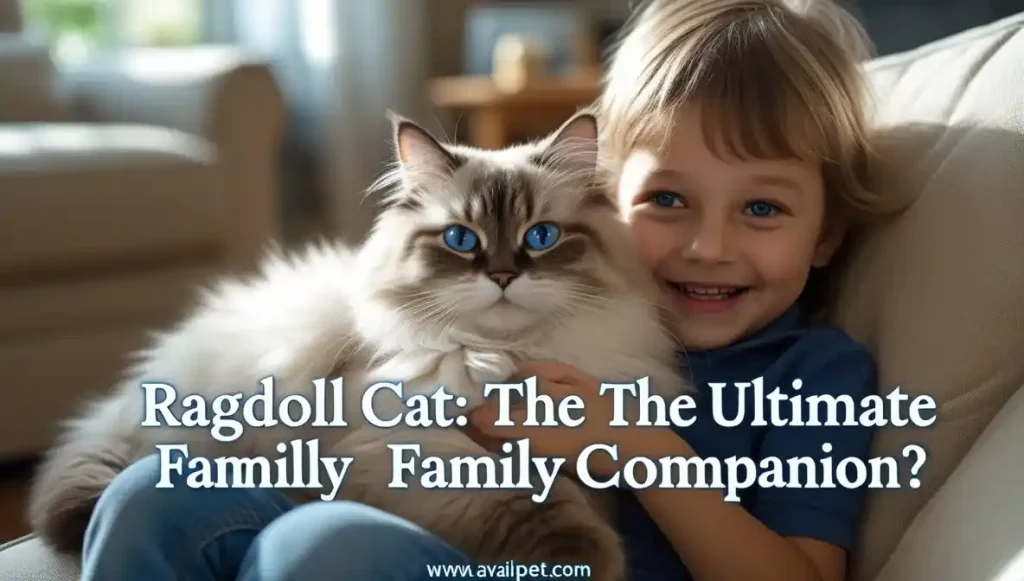
1. Ragdoll
At a Glance: Docile | Affectionate | Medium-High Maintenance
Known for their stunning blue eyes and floppy nature when held, Ragdolls are the quintessential “puppy-cats.” They are incredibly gentle, devoted to their families, and tend to be less demanding than more vocal breeds.
2. British Shorthair
At a Glance: Calm | Independent | Low Maintenance
The charming “teddy bear” of the cat world, the British Shorthair is an undemanding companion. They are content with quiet companionship and are known for their easy-going, placid nature, making them perfect for a relaxed home.
3. Scottish Fold
At a Glance: Sweet-Tempered | Adaptable | Low Maintenance
Instantly recognizable by their unique folded ears, Scottish Folds are as sweet as they look. They are typically quiet, playful without being hyperactive, and form strong bonds with their owners, adapting well to various living situations.
4. American Shorthair
At a Glance: Easy-Going | Healthy | Low Maintenance
As one of the most popular and hardy breeds, the American Shorthair is a wonderful choice. They are known for their longevity, robust health, and friendly but not needy disposition. They are the reliable, all-around perfect first cat.
5. Birman
At a Glance: Gentle | People-Oriented | Medium Maintenance
Bred as companion cats, Birmans are gentle, quiet, and affectionate without being clingy. They are less intense than their Siamese cousins and thrive on being part of the family, often following you from room to room.
6. Cornish Rex
At a Glance: Playful | Quirky | Low Maintenance (Grooming)
For a first-time owner wanting an active and entertaining cat, the Cornish Rex is a delight. Their soft, wavy coat requires minimal grooming, and their playful, mischievous personality ensures there’s never a dull moment.
Best Cat Breeds for Families with Children
When kids are in the picture, you need a cat with a patient and tolerant nature. The ideal family cat is gentle, playful, and sturdy enough to handle the enthusiastic affection of young children. These six best cat breeds for families are known for their sweet temperaments and love of companionship.
1. Maine Coon
At a Glance: Gentle Giant | Playful | Dog-Like | High Maintenance
Known as the “gentle giants” of the cat world, Maine Coons are incredibly patient and often form strong bonds with children. Their playful, dog like personality means they can be taught tricks and often enjoy playing fetch.
2. Ragdoll
At a Glance: Patient | Tolerant | Affectionate | Medium-High Maintenance
Ragdolls live up to their name, often going limp and relaxed when held. They are remarkably patient and rarely extend their claws, making them exceptionally safe and tolerant companions for young children.
3. Abyssinian
At a Glance: Energetic | Playful | Interactive | Low Maintenance
For families with older, more active children, the Abyssinian is a perfect match. These cats are energetic, curious, and love to be in the middle of the action, providing endless playful entertainment.
4. Burmese
At a Glance: Sociable | Affectionate | People-Oriented | Low Maintenance
Burmese cats are often described as “dog-like” in their devotion. They are incredibly sociable, love to be involved in all family activities, and their sturdy build can handle gentle, respectful play.
5. Manx
At a Glance: Playful | Sturdy | Tailless | Low Maintenance
Known for their distinctive tailless appearance, the Manx is a robust and playful breed. They are intelligent and often enjoy interactive games, forming strong, loyal bonds with their human family.
6. Siberian
At a Glance: Friendly | Playful | Robust | High Maintenance
Despite their luxurious triple coat, Siberian cats are hearty and friendly. They have a sweet, playful nature and a robust build that makes them well-suited for a lively family environment.
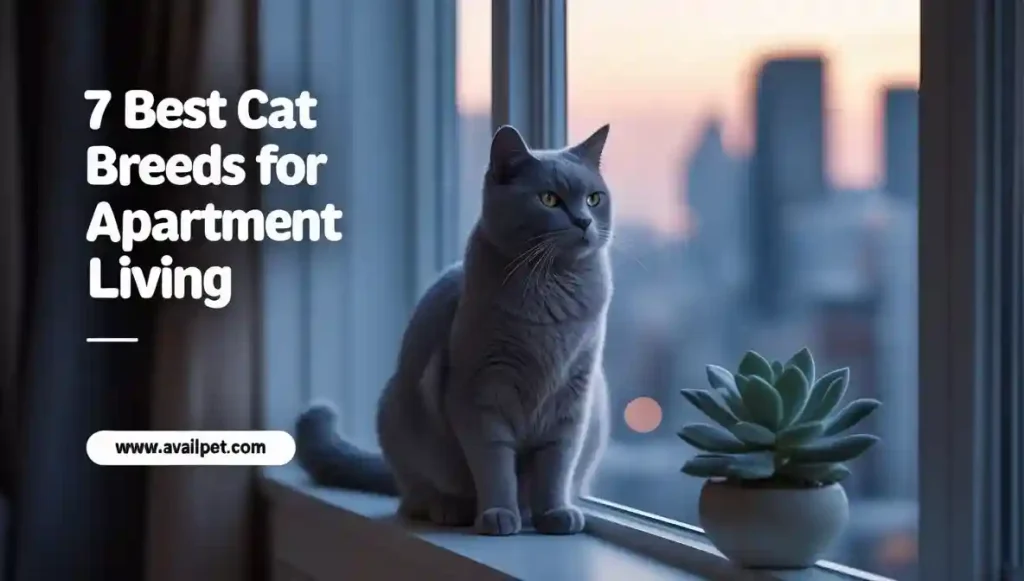
Best Cat Breeds for Apartments Living
Living in an apartment doesn’t mean you can’t enjoy feline companionship. The key is choosing a cat breed for apartments that is typically quiet, has moderate to low energy, and doesn’t require a large amount of space to be happy. These six best cat breeds for apartments are content with indoor life and make perfect urban pets.
1. British Shorthair
At a Glance: Quiet | Low Energy | Independent | Low Maintenance
The British Shorthair is the ultimate couch potato. These calm cats are perfectly content in a quiet apartment and are known for their undemanding and independent nature.
2. Russian Blue
At a Glance: Reserved | Quiet | Devoted | Low Maintenance
Russian Blues are known for their quiet, gentle demeanor. They are typically reserved but form deep bonds with their owners, making them perfect for the peaceful environment of an apartment.
3. Persian
At a Glance: Sedentary | Serene | Quiet | High Maintenance
The Persian is the epitome of a low-energy, indoor cat. These serene felines prefer lounging in elegant comfort and are not known for high energy or loud vocalizations.
4. Scottish Fold
At a Glance: Adaptable | Quiet | Sweet-Natured | Low Maintenance
With their unique folded ears and sweet expression, Scottish Folds are highly adaptable to smaller living spaces. Their calm and quiet nature makes them excellent neighbors.
5. Exotic Shorthair
At a Glance: Calm | Plush Coat | Quiet | Low Maintenance
The Exotic Shorthair offers the calm, sweet temperament of a Persian but with a much more manageable short, plush coat that requires less grooming.
6. Chartreux
At a Glance: Quiet | Undemanding | Smiling Expression | Low Maintenance
Known for their “smile” and quiet chirp instead of a meow, the Chartreux is a quiet and undemanding breed that thrives in a stable, peaceful apartment setting.
Best Hypoallergenic Cat Breeds
For those who love cats but suffer from allergies, hope is not lost. While no cat is 100% hypoallergenic, certain best hypoallergenic cat breeds produce lower levels of the Fel d 1 protein, the primary allergen in cat saliva and dander. These six breeds are often better tolerated by people with mild to moderate cat allergies.
1. Balinese
At a Glance: Lower Allergen | Vocal | Intelligent | Medium Maintenance
Despite their long, silky coat, the Balinese produces less of the Fel d 1 protein. They are often a great choice for allergy sufferers who want a long-haired breed.
2. Siberian
At a Glance: Lower Fel d 1 | Friendly | Playful | High Maintenance
The Siberian is renowned for producing lower levels of the Fel d 1 allergen. Their friendly and playful nature makes them a wonderful family companion for those with allergies.
3. Russian Blue
At a Glance: Low-Allergen Dander | Reserved | Quiet | Low Maintenance
The Russian Blue’s dense coat traps dander close to the skin, and they are known to produce less glycoprotein, making them a classic choice for a low allergen cat.
4. Cornish Rex
At a Glance: Minimal Shedding | Energetic | Mischievous | Low Maintenance
With only a soft, wavy undercoat, the Cornish Rex sheds very little dander. Their minimal shedding coat makes them one of the best hypoallergenic options.
5. Javanese
At a Glance: Single Coat | Vocal | Social | Medium Maintenance
Like the Balinese, the Javanese has a single coat without a dense undercoat, which results in less shedding and fewer allergens being spread around your home.
6. Devon Rex
At a Glance: Minimal Coat | Playful | Impish | Low Maintenance
The Devon Rex has an even shorter, finer coat than the Cornish Rex. Often described as the “poodle of the cat world,” they are a top contender for allergy friendly cats.
Best Low Maintenance Cat Breeds
For busy individuals, seniors, or those who prefer a more independent companion, a low maintenance cat is the perfect fit. These best low maintenance cat breeds are characterized by their easy-going personalities, minimal grooming needs, and overall good health, requiring less hands-on care than other breeds.
1. American Shorthair
At a Glance: Hardy | Easy-Going | Minimal Grooming | Low Maintenance
The American Shorthair is a robust and healthy breed known for its longevity and minimal grooming requirements, making it one of the easiest cats to care for.
2. Russian Blue
At a Glance: Independent | Short Coat | Minimal Grooming | Low Maintenance
Russian Blues are highly independent cats with a dense, short coat that requires very little upkeep. Their self-sufficient nature makes them perfect for busy owners.
3. Chartreux
At a Glance: Quiet | Undemanding | Water-Resistant Coat | Low Maintenance
The Chartreux is a calm, undemanding breed with a unique water-resistant coat that needs only occasional brushing. They’re content with quiet companionship.
4. British Shorthair
At a Glance: Calm | Independent | Weekly Brushing | Low Maintenance
British Shorthairs are famously independent and their plush coat only requires weekly brushing. They’re perfectly happy entertaining themselves.
5. Bombay
At a Glance: Adaptable | Sleek Coat | Minimal Grooming | Low Maintenance
The Bombay has a short, sleek coat that needs minimal grooming. Their adaptable nature and easy-going personality make them wonderfully low-fuss companions.
6. Scottish Fold
At a Glance: Undemanding | Easy Care | Adaptable | Low Maintenance
Scottish Folds require only basic care and aren’t prone to being demanding. Their sweet, adaptable nature makes them easy to integrate into any home.
Side-by-Side Breed Comparison Chart
To make your decision even easier, we’ve created this at-a-glance comparison chart of all the best cat breeds featured in our guide. Use this table to quickly compare key factors like shedding, grooming needs, and energy levels across all recommended breeds.
| Breed | Best For | Shedding Level | Grooming Needs | Energy Level | Good with Kids? |
|---|---|---|---|---|---|
| Ragdoll | First Time, Families | Medium-High | Medium-High | Medium | Excellent |
| British Shorthair | First Time, Apartments, Low Maintenance | Medium | Low | Low | Good |
| Scottish Fold | First Time, Apartments, Low Maintenance | Medium | Low | Medium | Good |
| American Shorthair | First Time, Low Maintenance | Medium | Low | Medium | Good |
| Birman | First Time | Medium | Medium | Medium | Good |
| Cornish Rex | First Time, Allergies | Low | Low | High | Good |
| Maine Coon | Families | High | High | Medium | Excellent |
| Abyssinian | Families | Low | Low | High | Good (older) |
| Burmese | Families | Low | Low | Medium-High | Excellent |
| Manx | Families | Medium | Low | Medium | Good |
| Siberian | Families, Allergies | High | High | Medium | Excellent |
| Russian Blue | Apartments, Allergies, Low Maintenance | Medium | Low | Medium | Good |
| Persian | Apartments | High | High | Low | Fair |
| Exotic Shorthair | Apartments | Medium | Low | Low | Good |
| Chartreux | Apartments, Low Maintenance | Medium | Low | Low | Good |
| Balinese | Allergies | Medium | Medium | High | Good |
| Javanese | Allergies | Medium | Medium | High | Good |
| Devon Rex | Allergies | Low | Low | High | Good |
| Bombay | Low Maintenance | Low | Low | Medium | Good |
How to Finalize Your Decision
Now that you’ve explored some of the best cat breeds, you might have a few front-runners in mind. This is the perfect time to take a final, practical step to ensure you make the right choice. Remember, a breed’s general traits are a guide, not a guarantee—every cat is an individual.
Here’s how to finalize your decision:
Prioritize “Purr-sonality” Over Pedigree: While breed traits are helpful, the cat’s individual personality is what you’ll live with every day. A mixed-breed cat from a shelter can often be the best cat for you, even if they don’t have a pedigree.
Meet Cats in Person: If possible, visit a reputable breeder or, even better, a local animal shelter or rescue organization. Spend time interacting with the cats. See who approaches you, who purrs in your lap, and whose energy level matches yours.
Consider Fostering: Fostering a cat is a wonderful “trial run” that gives you a real-life sense of what it’s like to live with a particular cat. It’s a low-commitment way to see if your chosen breed—or any cat—is a true fit for your home.
Adopt, Don’t Shop: Shelters are full of amazing cats of all ages, breeds, and personalities waiting for a loving home. You might just find your perfect “best cat” there, whether they’re a specific breed or a wonderful mix.
Taking these steps will give you the confidence that you’re not just choosing one of the best cat breeds, but the best cat for you.
FAQs About Best Cat Breeds
What is the friendliest cat breed?
The Ragdoll is often considered the friendliest cat breed. Known as “puppy-cats,” they are extremely affectionate, gentle, and love to follow their owners around, often seeking cuddles and lap time.
What is the best low-maintenance cat breed?
For low-maintenance care, the British Shorthair is an excellent choice. They have minimal grooming needs thanks to their dense, easy-care coat, and their calm, independent nature means they don’t demand constant attention.
Are male or female cats better for families?
Temperament is not strictly determined by gender. Both male and female cats can be wonderful family pets. A cat’s personality, socialization, and breed traits are more important factors than their sex when choosing a family companion.
What is the most expensive cat breed?
The Ashera is typically the most expensive cat breed, often costing tens of thousands of dollars. Among more common purebreds, the Bengal and Persian are also on the higher end due to their popularity and breeding costs.
Conclusion: Find Your Perfect Feline Friend
Choosing from the many wonderful best cat breeds is a journey that leads to one of life’s most rewarding relationships. Remember, the “best” cat isn’t about prestige or appearance—it’s about that purrfect connection where your lifestyle and a cat’s personality click into place.
Whether you’ve discovered that a gentle Ragdoll matches your family’s rhythm, a low-maintenance British Shorthair suits your busy schedule, or a playful Abyssinian brings excitement to your home—you’re now equipped with the knowledge to make an informed choice.
Your perfect companion is waiting. Use this guide as your starting point, but let your heart be your final guide. Visit local shelters, talk to breeders, and keep an open mind—sometimes the best cat isn’t the one you expected, but the one who chooses you.
Ready for the next step? Once you’ve chosen your perfect breed, get your home ready with our Ultimate New Kitten Checklist to ensure a smooth and happy transition for everyone.
Sources:
The International Cat Association (TICA)