Feline Nephrology & Geriatric Management Specialist
Reviewed by Dr. Allona Jackson, DVM
Clinically reviewed for 2026 IRIS staging accuracy, the biochemical impact of restricted phosphorus on survival, and the use of aromatic profiling to manage chronic inappetence in renal failure.
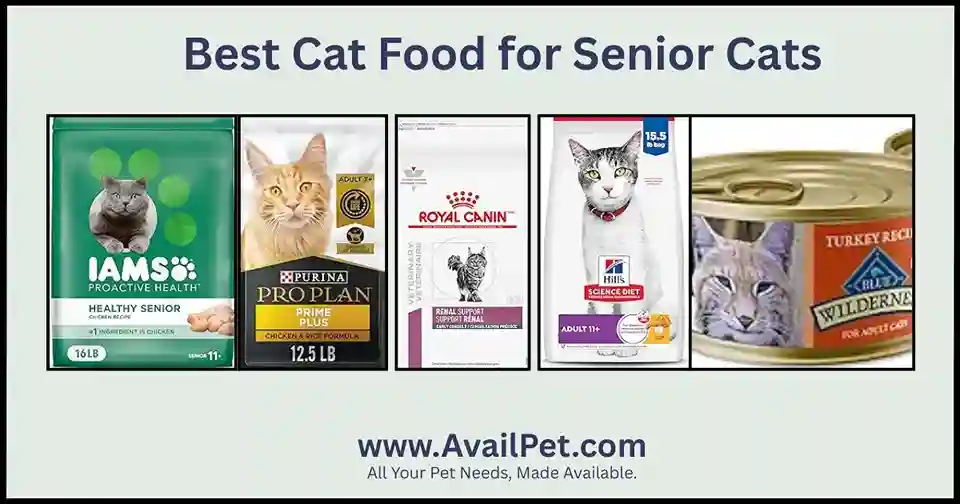
The moment your veterinarian says the words “kidney disease” or “elevated kidney values,” a chill of worry settles in. For many cat owners, this diagnosis for their beloved senior feline feels like a daunting, irreversible path. In that consultation, your vet will likely emphasize one treatment above all others: a special kidney diet, with Royal Canin Renal Support being a cornerstone prescription option.
You might understandably wonder: How can changing food possibly help a failing organ? Is this just a hopeful suggestion, or is it critical medical therapy?
As a veterinarian, I can tell you this with certainty: In the management of feline Chronic Kidney Disease (CKD), prescription renal nutrition is not an optional supplement—it is first-line, essential medical treatment. It is the single most impactful intervention we have to slow the disease’s progression and support a better quality of life.
This guide will move beyond the product label to explain the life-prolonging science behind Royal Canin Renal Support. We’ll break down exactly how its formulation is engineered to compensate for what damaged kidneys can no longer do, discuss the crucial timing for starting this diet, and provide a realistic action plan for you and your cat.
For a comprehensive understanding of Royal Canin’s complete range of veterinary and wellness formulas, refer to our pillar resource: Royal Canin Cat Food: A Veterinarian’s Guide to Formulas, Benefits, and Choosing the Right One. Now, let’s begin by understanding what we’re managing: the nature of kidney disease itself.
Understanding the Battlefield: The Nature of Feline Chronic Kidney Disease (CKD)
To understand why a specific diet like Royal Canin Renal Support is so crucial, we must first grasp what we’re up against. Chronic Kidney Disease isn’t an infection or a temporary ailment; it’s a progressive, irreversible decline in kidney function.
Think of your cat’s kidneys as two sophisticated, living filtration and recycling plants. Their jobs are vast:
- Filtering Waste: Removing toxins like creatinine and blood urea nitrogen (BUN) from the bloodstream for excretion in urine.
- Regulating Minerals: Precisely balancing essential minerals like phosphorus and potassium.
- Conserving Water & Nutrients: Concentrating urine to prevent dehydration and preventing the loss of vital proteins and vitamins.
- Managing Blood Pressure & Acidity: Producing hormones and balancing the blood’s pH.
In CKD, these filtration plants are slowly breaking down. Nephrons (the microscopic filtering units) are damaged and lost, often due to age, genetics, or previous insults. They don’t regenerate. The remaining nephrons must work harder, leading to a vicious cycle of further damage.
This dysfunction manifests in the symptoms and lab changes we see:
- Toxin Buildup (Uremia): As filtration fails, waste products like BUN and creatinine accumulate, causing nausea, vomiting, and loss of appetite.
- Phosphorus Imbalance: Damaged kidneys can’t excrete phosphorus properly. High blood phosphorus is directly toxic to kidney tissue and accelerates disease progression.
- Potassium Depletion: Conversely, failing kidneys often waste potassium, leading to weakness, muscle fatigue, and poor heart function.
- Acidosis & Dehydration: The kidneys struggle to regulate blood pH and conserve water, causing systemic acidity and chronic, low-grade dehydration.
- Hypertension: Kidney disease frequently causes high blood pressure, which can further damage the kidneys, eyes, and brain.
The Critical Takeaway: CKD is a multisystemic disorder. We cannot cure it or repair the lost nephrons. Therefore, the goal of all treatment—and the explicit purpose of a renal support diet—is disease management: to reduce the workload on the remaining functional nephrons, correct the resulting imbalances, and thereby slow progression and alleviate symptoms.
This is why food is medicine. A prescription renal diet like Royal Canin Renal Support is formulated to intervene at each of these pathological points, which we’ll explore next.
The Science of Support: How Renal Support Formulation Works
With an understanding of the battlefield, we can now appreciate the strategic design of the weapon. Royal Canin Renal Support is not a random collection of “healthy” ingredients. It is a precisely engineered nutritional intervention built to counteract the specific dysfunctions of CKD at a biochemical level. Its formulation rests on four foundational pillars.
The Four Pillars of Renal Nutrition
Pillar 1: Restricted, High-Quality Protein
- The Problem: Protein metabolism creates nitrogenous waste products (urea, creatinine) that damaged kidneys struggle to filter out, leading to toxic buildup and uremia.
- The Solution: The diet provides reduced quantities of highly digestible, bioavailable protein (often from egg or poultry sources). This meets the cat’s essential amino acid requirements for maintaining muscle mass while minimizing the nitrogenous waste load on the kidneys. It’s about quality and precision, not protein elimination.
Pillar 2: Severely Restricted Phosphorus
- The Problem: Hyperphosphatemia (high blood phosphorus) is a major driver of CKD progression. It promotes further kidney damage and contributes to secondary hyperparathyroidism, which leaches calcium from bones.
- The Solution: This is arguably the most critical aspect. The diet is formulated with very low phosphorus levels and may include natural phosphate binders. Controlling dietary phosphorus intake is proven to slow the progression of kidney disease and improve survival times.
Pillar 3: Supplemental Potassium & B Vitamins
- The Problem: Diseased kidneys waste potassium and lose water-soluble vitamins, leading to deficiencies that cause muscle weakness, poor coat quality, and anemia.
- The Solution: The diet is fortified with potassium and B-complex vitamins (especially B12) to replenish these losses, supporting nerve function, energy metabolism, and overall systemic health.
Pillar 4: Alkalizing Agents & Anti-Inflammatory Omega-3s
- The Problem: CKD often causes metabolic acidosis (blood that is too acidic), which promotes muscle wasting, nausea, and further kidney injury. Chronic inflammation also damages kidney tissue.
- The Solution: The diet includes alkalizing agents to help normalize blood pH. It is also enriched with Omega-3 fatty acids (EPA/DHA) from fish oil, which have anti-inflammatory properties that may help protect remaining kidney function and support blood pressure regulation.

Addressing the Palatability Paradox
A major hurdle in CKD management is that uremic cats are often nauseated and inappetent—precisely when they need consistent nutrition the most. Royal Canin addresses this by engineering Renal Support for high palatability through specific fats and aromas, and making it calorie-dense so that even small, frequently offered meals provide adequate energy.
This multi-pronged biochemical strategy transforms food from mere sustenance into a targeted therapeutic agent. However, its deployment must be timely and precise, guided by a crucial diagnostic framework.
Timing & Staging: When to Start Renal Support & Who It’s For
Knowing how the diet works leads to the critical question of when and for whom it should be deployed. In kidney disease management, timing is not just important—it can significantly influence long-term outcomes. This decision is guided by a universal veterinary staging system.
Understanding IRIS Staging: The “GPS” for CKD
Veterinarians classify the severity of CKD using the International Renal Interest Society (IRIS) staging system, primarily based on stable blood creatinine levels and other findings like protein in the urine and blood pressure.
- Stage 1: Kidney damage exists but function remains normal. Creatinine is normal. Action: Monitoring, not typically a prescription diet.
- Stage 2: Mild kidney failure. Early clinical signs (e.g., increased drinking/urination) may appear. This is often the ideal time to initiate a renal diet.
- Stage 3: Moderate kidney failure. More pronounced symptoms like weight loss, poor appetite, and nausea are common. Dietary intervention is strongly recommended.
- Stage 4: Severe kidney failure. Significant clinical illness is present. Nutritional support remains a cornerstone of palliative and supportive care.
Who is the Ideal Candidate for Royal Canin Renal Support?
The diet is specifically formulated for and indicated in:
- Cats with IRIS Stage 2, 3, or 4 CKD: This is the primary population. Starting in Stage 2 is associated with the greatest benefit in slowing progression.
- Cats with Persistent Hyperphosphatemia: Even if creatinine is only mildly elevated, high blood phosphorus is a clear indicator for phosphorus restriction.
- Cats Showing Uremic Symptoms: Regardless of the exact stage, a cat experiencing nausea, vomiting, or inappetence due to suspected uremia may benefit from the diet’s formulation.
Is It Ever “Too Late” to Start? A Note on Stage 4
A common and heartbreaking question from owners of very sick cats is: “Has the window for this diet closed?”
- The Veterinarian’s Perspective: While the greatest benefit for slowing progression is seen with earlier intervention, a renal diet can still provide palliative and quality-of-life benefits in Stage 4.
- How It Helps: It can help manage nausea (by reducing toxin load), address mineral imbalances, and provide easy-to-process nutrition for a frail cat. The decision shifts from “slowing disease” to “maximizing comfort,” and should be made in close consultation with your veterinarian.
The Non-Negotiables: Diagnosis & Veterinary Partnership
Royal Canin Renal Support is a veterinary-exclusive, prescription diet. This is a legal and medical requirement.
- Diagnosis First: Starting this diet in a healthy cat, or one with a different condition (like unmanaged hyperthyroidism, which can mimic CKD), is inappropriate and potentially harmful. Bloodwork and urinalysis are mandatory.
- Your Vet is Your Guide: They will determine the stage, prescribe the diet, and establish a monitoring schedule (typically re-checking bloodwork every 3-6 months) to track kidney values, phosphorus, and potassium, adjusting the overall treatment plan as needed.
The Real-World Commitment: Expectations, Challenges & Holistic Care
Initiating a renal diet marks the beginning of a significant, long-term partnership in your cat’s healthcare. Success hinges on clear expectations, practical strategies to overcome inevitable hurdles, and understanding that food is one part—albeit the most critical part—of a broader management plan.
Setting Realistic Expectations: What Renal Support Can and Cannot Do
It’s vital to frame the diet’s role accurately to avoid frustration or false hope.
- What It CAN Do:
- Slow Disease Progression: By reducing kidney workload and correcting imbalances, it can help preserve remaining function for longer.
- Improve Quality of Life: It can alleviate clinical signs like nausea, improve appetite (through palatability), and help maintain better energy levels.
- Manage Biochemical Imbalances: It directly addresses high phosphorus, low potassium, and acidosis.
- What It CANNOT Do:
- Cure CKD or Regenerate Kidney Tissue: The damage is irreversible. The goal is management, not reversal.
- Work Instantly: Improvements in blood values and clinical signs take weeks to months of consistent feeding.
- Replace Other Necessary Treatments: In advanced stages, it works alongside medications and fluid therapy.
Navigating the Biggest Hurdle: The Transition & The Picky Eater
Cats are creatures of habit, and those feeling nauseous are often reluctant to try new food. This is the most common point of failure.
- The Golden Rule: Go Slow. Transition over 2-4 weeks, not days. Start with 25% new food mixed with 75% old, gradually increasing the ratio.
- Strategies for Success:
- Warm It Up: Gently warming wet food enhances its aroma, making it more appealing.
- Offer Variety: Try both the dry and wet versions. The wet food provides crucial added hydration.
- Feed Small, Frequent Meals: Large meals can overwhelm a sensitive stomach.
- The “Some Food is Better Than None” Rule: If your cat outright refuses the renal diet after a patient transition, consult your veterinarian immediately. A starving cat will deteriorate rapidly. It is sometimes more important that they eat something palatable and high-calorie, even if it’s not the ideal renal formula. Your vet can discuss alternative prescription options or the use of appetite stimulants.
The Multimodal Approach: Diet is Part of the Team
For optimal management, especially in moderate to advanced CKD, Royal Canin Renal Support is most effective as part of an integrated treatment plan, which may include:
- Subcutaneous Fluids: Administered at home, these help flush toxins, combat dehydration, and make your cat feel better.
- Phosphate Binders: If the diet alone doesn’t control blood phosphorus, your vet may add these medications to bind dietary phosphate in the gut.
- Anti-Nausea & Appetite Stimulants: Medications like Cerenia® or mirtazapine can break the cycle of nausea → inappetence → worsening illness.
- Blood Pressure Medication: To protect the kidneys, eyes, and heart from hypertensive damage.
- Potassium Supplements: If blood levels remain low despite the fortified diet.
The takeaway: View the renal diet as the nutritional foundation upon which other supportive therapies are built. With these practical strategies in mind, let’s address the specific questions that arise in daily life with a CKD cat.
FAQ: Navigating Daily Life with a Renal Support Diet
Living with a cat managing CKD brings up numerous practical questions. Here are clear, actionable answers to the most common concerns from owners committed to this path.
My cat was just diagnosed with early kidney disease (Stage 2). Is it really necessary to start this diet now?
Yes, starting now offers the greatest potential benefit. Think of it as preventative maintenance for the remaining kidney function. Early intervention to control phosphorus and reduce kidney workload can significantly slow the rate of progression to more advanced, symptomatic stages. It’s the most impactful step you can take at this point.
Can my other, healthy cats eat the Royal Canin Renal Support food?
It is not recommended as their sole long-term diet. The protein and phosphorus levels are specifically restricted for diseased kidneys and are below the optimal requirements for a healthy cat. Long-term feeding could lead to deficiencies. The best practice is to feed cats separately. If that’s impossible, discuss the risks and benefits with your veterinarian; it may be acceptable if the healthy cats are also seniors, but it’s not ideal.
What’s the difference between “Renal Support” and “Early Consult” formulas?
They are tailored for different stages of disease severity.
- “Early Consult” (often in a blue bag): Formulated for IRIS Stage 1 and early Stage 2. It has moderate restriction of protein and phosphorus.
- “Renal Support” (e.g., Renal Support A, D, S in different colored bags): Formulated for advanced Stage 2 through Stage 4. It has more aggressive restriction of protein and phosphorus, is more calorie-dense, and is designed for cats with more pronounced clinical signs.
Your veterinarian will prescribe the specific formula that matches your cat’s current staging and needs.
How do I actually get this food? What’s the process after diagnosis?
It’s a straightforward process centered on your veterinarian:
- Diagnosis & Prescription: Your vet diagnoses and stages the CKD, then provides a written prescription.
- Filling the Prescription: You have two main options:
- Direct from Your Vet Clinic: Purchase it right there. This is often the easiest.
- Through an Authorized Online Pharmacy: Retailers like Chewy or VetRxDirect have systems to contact your vet directly to verify the prescription before shipping the food to your home.
- Ongoing Refills: Your vet will specify the prescription’s duration. For chronic management, they can often authorize long-term or automatic refills with the pharmacy.
What if my cat has a flare-up and won’t eat anything, including the renal diet?
This is a medical red flag. A CKD cat that stops eating is at high risk for a life-threatening condition called hepatic lipidosis (fatty liver disease).
- Do Not Wait. Contact your veterinarian within 24 hours of complete appetite loss.
- Your vet may need to: prescribe strong appetite stimulants, anti-nausea medication, or recommend hospitalization for assisted feeding (via a feeding tube) to provide critical nutrition and break the cycle. The goal is to get calories in by any safe means necessary.
Your Long-Term Action Plan & Conclusion
Managing feline CKD is a marathon, not a sprint. Success lies in a consistent, proactive partnership with your veterinary team. This final section provides your step-by-step roadmap for the journey ahead.
Your CKD Management Action Plan
Step 1: Establish the Baseline & Partner with Your Vet.
Your first task is knowledge. After diagnosis, ensure you understand your cat’s IRIS stage, current blood pressure, and key lab values (creatinine, SDMA, phosphorus, potassium). Ask your vet to explain what each means. This baseline is your reference point for all future progress.
Step 2: Initiate Nutritional Therapy.
Obtain the prescription for the appropriate Royal Canin formula (Early Consult vs. Renal Support) as directed by your vet. Commit to the slow transition strategy (2-4 weeks). Remember the “some food is better than none” principle if acceptance is a struggle, and loop your vet in immediately.
Step 3: Implement Supportive Home Care.
- Hydration is Key: Encourage water intake with fresh bowls, a fountain, and by adding water to wet food. Discuss with your vet if at-home subcutaneous fluid therapy is appropriate for your cat’s stage.
- Reduce Stress: Maintain a predictable routine. Ensure easy access to litter boxes, food, and water, especially for senior or arthritic cats.
- Monitor at Home: Keep a simple log of your cat’s weight (weekly), appetite, water consumption, and energy level. Subtle changes here are often the first signs that a vet re-check is needed.
Step 4: Commit to Lifelong Veterinary Monitoring.
Schedule and attend all follow-up appointments. Monitoring is not optional. Typical re-checks involve bloodwork and a urinalysis every 3-6 months. This allows your vet to:
- Track disease progression.
- Ensure the diet is effectively controlling phosphorus and other values.
- Adjust medications (like phosphate binders or blood pressure pills) as needed.
- Catch and address new complications early.
Step 5: Adapt with Compassion.
As CKD progresses, your cat’s needs will change. Your vet may recommend adding new supportive therapies. The goal consistently shifts toward maximizing quality of life and comfort. Maintain open, honest communication with your veterinary team about what you’re observing at home.
Conclusion: A Foundation of Care, Not a Cure
A diagnosis of Chronic Kidney Disease is undeniably challenging. However, it is also a condition where informed, proactive care makes a profound difference. Royal Canin Renal Support provides the essential nutritional foundation for that care—a scientifically formulated tool to help manage the disease from the inside out.
This journey is defined by partnership: between you and your cat, and between you and your veterinary team. By embracing the renal diet, committing to consistent monitoring, and providing compassionate daily support, you are doing the very best you can to slow the disease, alleviate discomfort, and cherish the quality time you have together.
For a complete overview of Royal Canin’s approach to feline health and specialized nutrition, explore our foundational resource:
[Royal Canin Cat Food: A Veterinarian’s Guide to Formulas, Benefits, and Choosing the Right One].
Where to Buy Royal Canin Renal Support (Authorized Retailers)

Important: A current, valid prescription from your veterinarian is required.
- Shop Royal Canin Renal Support on Amazon Pharmacy (Prescription verification required)
- Your Local Veterinary Clinic (The most direct source for guidance and immediate care)
Purchasing through these links supports AvailPet’s research at no extra cost to you.
Disclaimer: The information provided in this article is for educational and informational purposes only and is not intended as veterinary medical advice, diagnosis, or treatment. Always consult your own veterinarian or a qualified veterinary professional regarding any health concerns or dietary changes for your pet. The author and AvailPet.com are not responsible for any decisions made or actions taken based on the content of this article. Therapeutic diets, including Royal Canin Renal Support, should only be used under the direct supervision and prescription of a licensed veterinarian.
Sources: