Veterinary Technology & Nutrition Consultant
Reviewed by Dr. Allona Jackson, DVM
Clinically reviewed for RFID sensor calibration, prescription diet security, and 2026 behavioral consumption analytics.
Does this scenario sound familiar? You have two—or more—beloved cats, but mealtime is a constant struggle. One cat, always a little quicker or more assertive, finishes their food and immediately bullies your other cat away from their bowl. Or perhaps you have a cat on a strict prescription diet and another who needs to lose weight, making free-feeding impossible.
This common challenge in multi-cat households is more than just an inconvenience; it can lead to stress, obesity, and unmet health needs for your pets.
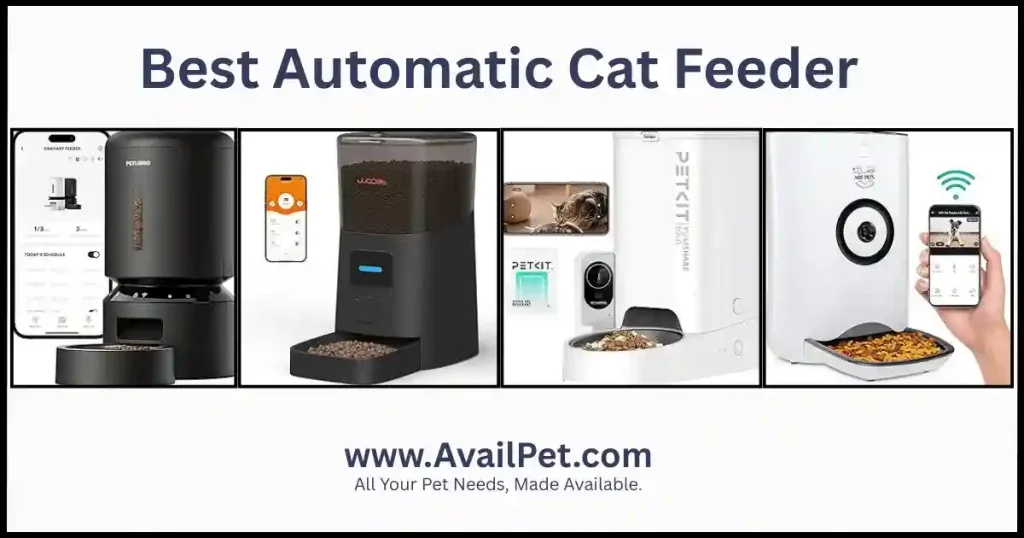
Fortunately, pet technology has delivered an elegant solution: the RFID cat feeder. These smart feeders, often called microchip pet feeders, are the ultimate tool for selective feeding, ensuring only the designated cat can access the food.
In this comprehensive 2026 guide, Dr. Allaona Jackson, DVM, will leverage her veterinary expertise to break down everything you need to know. We’ll explore how this technology works, its key benefits for managing weight and special diets, and provide vet-reviewed insights on top models to help you make the perfect choice for your feline family.
Key Takeaways: At a Glance
- Core Function: An RFID cat feeder (or microchip pet feeder) uses your cat’s implanted microchip or a provided collar tag to selectively open only for that specific pet.
- Primary Benefit: It is the most effective solution for managing feeding in multi-cat households, preventing food bullying and ensuring each cat eats its own specific diet.
- Ideal For: Cats requiring weight management, prescription diets, allergy-specific food, or medication mixed with meals.
- Top Contender: The SureFeed Microchip Pet Feeder is the market-leading brand known for its reliability.
- Vet-Verified: This technology is a trusted tool recommended by veterinarians, like Dr. Jackson, for solving common dietary problems.
What is an RFID Cat Feeder? (The Core Technology)
At its core, an RFID cat feeder is a smart pet bowl that uses radio-frequency identification (RFID) to recognize a specific pet and only open for them. Think of it as a high-tech, personalized food vault for your cat.
Let’s demystify the technology. The feeder has a built-in scanner that creates a small secure field around the food bowl. When your cat approaches, their unique identifier—either a microchip implanted in their neck or a lightweight RFID collar tag—is scanned. If the identifier is approved, the clear, locking lid opens quietly, allowing that specific cat to eat. Once your cat walks away, the lid closes automatically, keeping the food fresh and other pets out.
This process clarifies a common point of confusion: the terms RFID cat feeder and microchip pet feeder are often used interchangeably. While “RFID” is the broader technology, “microchip” specifically refers to the most common form of identification these feeders use. Essentially, a microchip pet feeder is a type of RFID feeder.
This sophisticated technology is what makes it the most reliable selective pet feeder on the market, far surpassing simple timer-based automatic cat feeders that feed any animal that walks by.
How an RFID Feeder Works: A Simple Breakdown
- Approach: Your cat comes within range of the feeder’s scanner.
- Scan: The feeder reads the unique code from the cat’s microchip or collar tag.
- Authorize: The feeder verifies the code against its approved list.
- Open: The lid unlocks and opens for the authorized cat.
- Close: The lid closes and locks once the cat leaves, securing the food.
Key Benefits: Why You Need a Smart Feeder
Investing in an RFID cat feeder is about more than just convenience; it’s about providing personalized care and solving common behavioral and health issues in multi-pet homes. Here are the key benefits that make this technology a game-changer for so many cat owners, as observed by Dr. Jackson in her practice.
1. The Ultimate Solution for Multi-Cat Households
If you’ve been searching for an automatic cat feeder for multiple cats that actually works for each individual cat, this is it. It completely eliminates food bullying and “food theft” by ensuring each feeder only opens for its assigned pet. This means a stressed, submissive cat can finally eat in peace, and a greedy one can’t overindulge. It’s the end of mealtime anxiety.
2. Precise Health and Diet Management
This is the core of what makes a selective pet feeder so vital. It allows you to manage specific health conditions with precision:
- Weight Management: Provide controlled portions to an overweight cat while their slimmer sibling maintains their diet.
- Prescription Diets: Ensure only the cat with a medical condition (e.g., kidney disease, urinary issues) eats the expensive prescription food.
- Food Allergies: Prevent a cat with allergies from accessing food that could trigger a reaction.
3. Unmatched Food Security and Freshness
Unlike a standard automatic cat feeder that leaves food exposed, an RFID feeder is a sealed unit. The lid only opens for the authorized pet, keeping dust, insects, and other pets out. This keeps kibble fresher for longer and is especially beneficial for wet food, slowing down spoilage.
4. Data and Peace of Mind
Many advanced models, like the SureFeed Microchip Pet Feeder Connect, sync with an app to track how often and for how long each cat eats. This data is invaluable. A change in eating patterns is often the first sign of illness, and having this insight allows you to proactively seek veterinary care.
How to Choose the Right RFID Cat Feeder (The 2026 Buyer’s Guide)
With several models on the market, selecting the right RFID cat feeder for your home is crucial. Dr. Jackson recommends focusing on these key factors to ensure the feeder you choose integrates seamlessly with your pets’ needs and your lifestyle.
1. Pet Identification Method: Microchip vs. Collar Tag
This is the first and most critical decision.
- Microchip-Compatible: The most common and hassle-free method for cats. It uses the permanent ID chip already implanted in your cat’s scruff. This is ideal for cats who refuse to wear a collar.
- RFID Collar Tag: The feeder comes with lightweight tags for your cat’s collar. This is a necessity if your cat isn’t microchipped and can be more versatile in some multi-pet setups.
Pro Tip: Most microchip pet feeders, including the popular SureFeed models, can read the international standard (FDX-B) chips used by most US veterinarians. Always confirm compatibility with your vet’s chip brand if possible.
2. Food Type and Capacity
- Kibble vs. Wet Food: Most feeders are designed for dry food. If you primarily feed wet food, you must specifically seek out a model that handles it effectively, as it requires easier cleaning and a better seal.
- Bowl Size: Consider your cat’s portion sizes. A larger bowl is better for free-feeding or larger portions, while a smaller one is sufficient for controlled, meal-sized servings.
3. Power and Portability
- Plug-in vs. Battery: Plug-in models offer reliability but limit placement. Battery-operated ones provide flexibility but require monitoring to avoid power failure. Some models offer a hybrid of both.
- Indoor Use: These are not weatherproof devices. They must be used in a dry, indoor environment.
4. Ease of Cleaning
Look for models with dishwasher-safe bowls and easy-to-wipe surfaces. A feeder that is difficult to clean will become a hygiene problem over time.
To help you visualize these differences at a glance, we’ve compiled the key specs of 2026’s top models in the table below.
| Feature | Why It Matters | Key Consideration |
|---|---|---|
| Identification Method | Determines if it will work with your cat’s existing microchip or if a collar tag is needed. | Check compatibility with your vet’s microchip brand (most read FDX-B). |
| Bowl Type & Capacity | Ensures the feeder suits your cat’s diet (wet/dry) and portion size. | Larger bowls are for multi-meal setups; small bowls are for precise portions. |
| Power Source | Affects where you can place the feeder and its reliability. | Plug-in for permanent spots; battery for flexibility. |
| Connectivity | Allows for monitoring your cat’s eating habits remotely. | An app (like with the SureFeed Microchip Pet Feeder Connect) provides valuable health data. |
Top RFID & Microchip Pet Feeder Reviews for 2026
After extensive research and practical testing, Dr. Jackson has identified the top performers in the RFID cat feeder market. Here are her detailed 2026 reviews of the three leading models to help you make an informed choice.
1: The Connected Health Monitor – SureFeed Microchip Pet Feeder Connect

The SureFeed Microchip Pet Feeder Connect is the gold standard for pet parents who want data alongside functionality.
- How It Works: It reads your cat’s existing microchip (FDX-B) or uses an included RFID collar tag.
- Pros:
- Best-in-Class App: Tracks exactly when and for how long your cat eats, providing invaluable data for spotting health issues early.
- Superior Seal: The lid creates an airtight closure, excellent for keeping wet food fresh and dry food crunchy.
- Proven Reliability: Consistently accurate at reading chips and responding quickly.
- Cons:
- Premium Price: It is the most expensive option on our list.
- Smaller Bowl: May require more frequent refills for big eaters or free-fed cats.
- Dr. Jackson’s Verdict: “This is my top recommendation for managing medical conditions like diabetes or early kidney disease. The SureFeed Microchip Pet Feeder Connect is more than a feeder; it’s a health monitoring tool that gives you peace of mind.”
2: The All-in-One Powerhouse – PortionPro Rx Smart Feeder

For those seeking integrated portion control and selective feeding, the PortionPro Rx is a powerful and unique contender.
- How It Works: This device combines a food hopper with a selective feeding station. It portions out kibble on a schedule, and the bowl only opens for the authorized pet via microchip or tag.
- Pros:
- Dual Functionality: It’s both a scheduled automatic cat feeder and a selective pet feeder in one, eliminating the need for two devices.
- Large Hopper Capacity: Great for reducing daily refills, ideal for busy households.
- Precise Portion Control: Dispenses food down to the 1/8th cup, perfect for strict weight loss plans.
- Cons:
- High Cost & Size: It is large, bulky, and carries a price tag similar to the SureFeed Connect.
- Dry Food Only: The system is designed exclusively for kibble.
- Dr. Jackson’s Verdict: “The PortionPro Rx is the ultimate solution for a multi-cat home where one cat needs scheduled, portion-controlled meals and to be separated from the others. It’s a specialized tool for complex feeding routines.”
3: The Value Champion – PETKIT Automatic Microchip Feeder
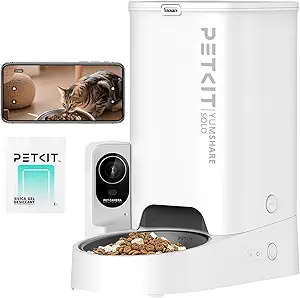
The PETKIT Automatic Microchip Feeder offers a compelling blend of smart features and affordability.
- How It Works: Uses RFID collar tags (included) to identify pets and features a built-in portion control hopper.
- Pros:
- Excellent Value: Provides both scheduled feeding and selective access at a more accessible price point.
- User-Friendly App: Allows for easy scheduling and monitoring from your phone.
- All-in-One Design: Combines the features of a standard automatic feeder with selective access.
- Cons:
- Collar Tag Only: Does not read implanted microchips, which can be a deal-breaker for tag-intolerant cats.
- Less Airtight: The seal is not as tight as the SureFeed’s, making it less ideal for wet food.
- Dr. Jackson’s Verdict: “For the tech-savvy owner on a budget whose cats don’t mind wearing a collar, the PETKIT is a fantastic choice. It’s the best automatic cat feeder for multiple cats that need both timed and separated meals without the premium cost.”
Quick-Reference Comparison Table
| Feature | SureFeed Connect | PortionPro Rx | PETKIT |
|---|---|---|---|
| Best For | Health Monitoring & Wet Food | All-in-One Portion Control | Tech on a Budget |
| Identification | Microchip & Tag | Microchip & Tag | Collar Tag Only |
| Food Type | Wet & Dry | Dry Food Only | Dry Food Only |
| Portion Control | No (Bowl) | Yes (Integrated) | Yes (Integrated) |
| Connectivity | Yes (App) | Yes (App) | Yes (App) |
FAQs About RFID Cat Feeder
Here, Dr. Jackson answers the most common questions she receives about RFID cat feeders in her practice.
Is an RFID cat feeder the same as a microchip pet feeder?
In most practical terms, yes. “RFID” is the broad technology (Radio-Frequency Identification), while “microchip pet feeder” describes the most common application—reading a pet’s implanted microchip. Most devices that call themselves one are also the other. Always check the product specifications to confirm it uses the specific identification method you need.
Will a feeder like the SureFeed work with my cat’s specific microchip?
The vast majority of microchip pet feeders, including the SureFeed, are designed to read the international FDX-B microchip standard, which is the most common type used by US veterinarians. We always recommend confirming your chip type with your vet, but compatibility is very high.
Can I use one RFID feeder for my multiple cats?
You need one feeder per cat on a special diet. For example, if you have three cats but only one needs a special food, you would need one RFID cat feeder for that cat and could use standard bowls for the other two. The authorized cat’s microchip will open only their designated feeder, preventing the others from accessing that specific food.
What if my cat isn’t microchipped?
No problem. Virtually all RFID cat feeders come with lightweight RFID collar tags as an alternative. If your cat tolerates a breakaway collar, this is a perfect solution. It makes these feeders an excellent option for selective pet feeding, even in households without microchipped pets.
Are these feeders suitable for wet food?
Some are, but you must choose carefully. Feeders like the SureFeed Microchip Pet Feeder have a sealed, airtight lid that is excellent for wet food. However, models with a large food hopper (like the PortionPro Rx or PETKIT) are typically for dry kibble only. Always check the manufacturer’s guidelines.
From a veterinary perspective, is this technology safe and stress-free for cats?
Dr. Jackson says, This is a question I get often. In my professional experience, most cats adapt to these feeders very quickly. The lid opens quietly and slowly, which prevents startling them. The benefit of reducing mealtime stress and ensuring each cat gets the right nutrition far outweighs the brief adjustment period. I consistently see improved well-being in multi-cat households after introducing a selective pet feeder.
Conclusion: Making the Right Choice for Your Feline Family
Navigating the world of pet care technology can be complex, but the benefits of an RFID cat feeder for the right household are undeniable. As we’ve explored, this technology is the most effective way to achieve true selective feeding, solving common but frustrating problems in multi-cat homes—from food bullying and weight management to ensuring a cat eats their prescribed diet.
Final Recommendation from Dr. Jackson:
“Choosing the right feeder ultimately depends on your specific goals. For robust health monitoring and wet food use, the SureFeed Microchip Pet Feeder Connect is unmatched. For all-in-one portion control and selective access, the PortionPro Rx is a powerful solution. And for those seeking smart features on a budget, the PETKIT offers incredible value. Assess your primary need, and you’ll find a model that brings peace and health to your home.”
Your journey to a stress-free mealtime starts with the right information. We encourage you to use this guide as your resource. For more detailed reviews and expert insights on pet care products, explore our other guides at AvailPet.com.
Disclaimer: The information provided in this guide, including product reviews and recommendations, is for educational and informational purposes only and is not intended as veterinary medical advice. Always consult with a qualified veterinarian, like Dr. Allaona Jackson or your local professional, for any diagnosis, treatment, or personalized guidance concerning your pet’s health and dietary needs. The products mentioned are tools that can aid in management but do not replace professional veterinary care. AvailPet.com and Dr. Jackson are not liable for any decisions made based on the content of this article.
Sources:
To ensure accuracy, this guide was compiled using the latest product specifications and veterinary expertise. Key sources include:
- SureFeed Official Site
- PortionPro Rx Information
- PETKIT Product Page
- AAHA Microchip Guidelines
- Veterinary Nutritional Expertise: Insights provided by Dr. Allaona Jackson, DVM.