📋 Medical Disclaimer
This information is for educational purposes only. Dr. Allona Jackson, DVM, is a contributing veterinarian to AvailPet.com. Always consult your own veterinarian for medical advice specific to your pet.
📌 Quick Summary
| Question | Answer |
|---|---|
| What is it? | Petlibro water fountains are automatic pet drinking fountains that circulate and filter water to encourage cats to drink more. |
| Why does it matter? | Moving water increases feline water intake by 30-50%, reducing risk of kidney disease and urinary crystals. |
| Which model is best? | Stainless Steel – veterinary gold standard for hygiene and multi-cat homes. |
| Best budget option? | Classic Plastic – affordable entry point with same moving water benefits. |
| Best for safety? | Cordless – no electrical cord, eliminates chewing hazards. |
| Bottom line | Recommended by Dr. Jackson, DVM, for preventive feline health. |
| Price range | $30-40 (Classic), $50-70 (Stainless), $60-80 (Cordless) |
If I could prescribe one non-medical intervention for almost every cat I see, it would be a water fountain. Moving water increases feline water intake by 30-50%, and Petlibro makes some of the most reliable, veterinarian-approved fountains on the market.
As a veterinarian practicing in 2026, I’ve seen the same pattern repeat thousands of times: cats who ignore stagnant bowls will drink enthusiastically from a flowing fountain. That simple change can mean the difference between a lifetime of kidney health and a devastating diagnosis of chronic kidney disease.
Petlibro has emerged as a trusted brand in this space, offering three distinct fountain models in 2026: the Classic Plastic, the Stainless Steel, and the Cordless. Each has unique strengths, and in this guide, I’ll help you determine which one is right for your cat.
*”The best Petlibro water fountain for most cats is the Stainless Steel model due to its non-porous surface, 4-stage filtration, and 3.2L capacity.”*
For a complete overview of all Petlibro products, including automatic feeders, see our Petlibro brand review →
🐾 Recommended for Pet Parents
Discover trusted resources, tips and tools for your furry friend!
Explore Free Pet Resources →Why a Water Fountain? A Vet’s Perspective on Feline Hydration
Before we dive into the specific models, let’s understand why hydration matters so profoundly for cats.
The Evolutionary Problem
Cats descended from desert-dwelling wildcats. Their natural thirst drive is remarkably low because they evolved to obtain most of their moisture from prey—which is 70-80% water. Domestic cats eating dry kibble (only 10% moisture) are operating at a chronic hydration deficit.
The Clinical Consequences
Chronic dehydration leads to:
- Chronic Kidney Disease (CKD) – The leading cause of death in senior cats
- Feline Lower Urinary Tract Disease (FLUTD) – Painful crystals and blockages
- Urinary crystals and bladder infections – Concentrated urine promotes crystal formation
- Constipation – Especially common in older cats
The Fountain Solution
Research shows that moving water stimulates a cat’s natural drinking instinct. Fountains increase water intake by 30-50% compared to stagnant bowls. The filtration removes debris, hair, and heavy metals, providing cleaner, better-tasting water.
Why Petlibro Specifically?
Petlibro fountains stand out for their reliable pumps, quiet operation, easy cleaning, multiple material options (including stainless steel), and excellent safety features (including a cordless option).
“How much water should a cat drink daily? A healthy cat should drink approximately 3.5 to 4.5 ounces of water per 5 pounds of body weight per day. Cats on dry food need more; cats on wet food need less.”
📋 From Dr. Jackson’s Practice: *I’ve recommended Petlibro fountains to over 200 cat owners in the past two years. The most common feedback I hear is that cats who ‘never drank water’ now visit their fountain multiple times daily. One client’s cat with early-stage kidney disease increased her water intake by an estimated 40% within one week of switching to a Petlibro fountain.*
Comparison at a Glance
| Feature | Classic Plastic | Stainless Steel | Cordless |
|---|---|---|---|
| Material | BPA-free plastic | 304 Stainless Steel | BPA-free plastic |
| Capacity | 2.1L (9 cups) | 3.2L (13.5 cups) | 2.2L (9.3 cups) |
| Filtration Stages | 3-stage | 4-stage (ion exchange resin) | 3-stage |
| Power Source | Corded (AC) | Corded (AC) | Rechargeable battery (30-60 days) |
| Noise Level (dB) | ~35 dB | ~30 dB | ~25 dB (intermittent) |
| Cleaning Frequency | Every 3-5 days | Weekly | Every 3-5 days |
| Price Range (2026) | $30-40 | $50-70 | $60-80 |
| Warranty | 1-year | 2-year | 1-year |
| Best For | Budget, first-timers | Hygiene, multi-cat, acne-prone | Safety, cordless placement |
| Vet Rating | ⭐⭐⭐⭐ | ⭐⭐⭐⭐⭐ | ⭐⭐⭐⭐½ |
| Affiliate Link | View on Amazon → | View on Amazon → | View on Amazon → |
Model 1: PETLIBRO Cat Water Fountain (Classic Plastic)
The Entry-Level Favorite. Read our Full Review Petlibro Cat Water Fountain.
Product Snapshot
| Spec | Detail |
|---|---|
| Material | BPA-free plastic |
| Capacity | 2.1L (approx. 9 cups) |
| Filtration | 3-stage: cotton layer, activated carbon, ion exchange |
| Dimensions | 7.5″ x 7.5″ x 6.3″ |
| Noise Level | ~35 dB (whisper quiet) |
| Power | Corded AC adapter |
| Included | Fountain unit, pump, filter, adapter, cleaning brush |
| Warranty | 1-year limited |
| Price | $30-60 – Check current price on Amazon → |
How It Works
The Classic Petlibro fountain uses a submersible pump to circulate water from the reservoir up through a flower-shaped spout. Water flows gently over the top and cascades back down, creating the moving water effect that attracts cats. The 3-stage filter sits between the reservoir and the spout, ensuring that only filtered water reaches your cat.
Veterinary Focus
“According to Dr. Jackson, ‘The classic plastic fountain accomplishes the primary goal: increasing water intake. Even a modest increase dilutes urine, supports kidney function, and prevents constipation.'”
Clinical Benefits:
- Dilutes urine – Reduces crystal formation risk
- Supports kidney function – Flushes toxins more effectively
- Prevents constipation – Especially beneficial for senior cats
Setup Instructions (5 Steps)
- Unbox and rinse – Wash all parts with mild dish soap and warm water
- Prepare the filter – Soak the new filter in water for 5 minutes before first use
- Assemble the pump – Attach pump to the base according to instructions
- Fill and place – Add cold water to the reservoir (not above the max line)
- Plug in and verify – Ensure water flows properly over the spout
Pros & Cons
| Pros | Cons |
|---|---|
| Affordable entry point | Plastic requires frequent cleaning (every 3-5 days) |
| Proven moving water design | Not ideal for cats prone to feline acne |
| Quiet operation (~35 dB) | Smaller capacity than stainless model |
| Easy to assemble and clean | Corded only (no cordless option) |
What Owners Say
“My cat ignored every bowl I tried. Within an hour of setting up this fountain, she was drinking. Life-changing for her kidney health.” – Verified Buyer
“Easy to clean. Quiet. My two cats love it. Wish I’d bought it years ago.” – Verified Buyer
Best For
- First-time fountain owners
- Single-cat households
- Budget-conscious pet parents
- Cats without skin or acne issues
Model 2: PETLIBRO Stainless Steel Cat Water Fountain
The Veterinary Gold Standard. See our PETLIBRO Stainless Steel Cat Water Fountain Review→
Product Snapshot
| Spec | Detail |
|---|---|
| Material | 304 Stainless Steel (tank + top plate) |
| Capacity | 3.2L (approx. 13.5 cups) |
| Filtration | 4-stage: cotton, activated carbon, ion exchange resin, mineralized layer |
| Dimensions | 8.7″ x 8.7″ x 6.3″ |
| Noise Level | ~30 dB (extremely quiet) |
| Power | Corded AC adapter |
| Included | Stainless tank, fountain unit, pump, filter, adapter, cleaning brush |
| Warranty | 2-year limited |
| Price | $30-70 – Check current price on Amazon → |
How It Works
This fountain uses the same reliable circulation pump as the classic model but with two major upgrades: 304 stainless steel construction and 4-stage filtration. The stainless steel tank and top plate are non-porous, resistant to bacteria, and dishwasher-safe. The additional filtration stage includes an ion exchange resin that softens water and removes heavy metals.
Veterinary Focus
“According to Dr. Jackson, ‘This is the fountain I recommend most frequently. Stainless steel is non-porous, meaning it doesn’t harbor bacteria like plastic. For cats with acne, kidney disease, or weakened immune systems, this is the gold standard.'”
Four Clinical Advantages:
| Advantage | Explanation |
|---|---|
| 1. Feline Acne Prevention | Plastic bowls develop microscopic scratches that harbor bacteria. Stainless steel eliminates this risk entirely. |
| 2. Superior for Immunocompromised Cats | Cats with CKD, diabetes, or FIV need reduced bacterial exposure. Stainless steel sanitizes more effectively. |
| 3. Improved Filtration for Urinary Health | 4-stage filter removes more impurities and heavy metals linked to crystal formation. |
| 4. Larger Capacity for Multi-Cat Homes | 3.2L serves 2-3 cats for several days without refilling. |
Pros & Cons
| Pros | Cons |
|---|---|
| Non-porous, bacteria-resistant surface | Higher initial investment |
| Dishwasher-safe (top rack recommended) | Heavier to lift when full |
| Largest capacity (3.2L) | Still corded (no cordless option) |
| Prevents feline acne | |
| 4-stage filtration | |
| 2-year warranty |
What Owners Say
“My cat had terrible chin acne from plastic bowls. Switched to this stainless steel fountain and within a month, her chin cleared up completely. Worth every penny.” – Verified Buyer
“Quiet, easy to clean, and my three cats drink constantly. The 3.2L capacity means I only refill every few days.” – Verified Buyer
Best For
- Multi-cat households
- Cats with feline acne or skin sensitivities
- Cats with kidney disease or urinary conditions
- Owners prioritizing hygiene and durability
- Long-term investment
Model 3: PETLIBRO Cordless Cat Water Fountain
The Safety & Flexibility Champion
Product Snapshot
| Spec | Detail |
|---|---|
| Material | BPA-free plastic |
| Capacity | 2.2L (approx. 9.3 cups) |
| Filtration | 3-stage: cotton, activated carbon, ion exchange |
| Dimensions | 8.9″ x 8.9″ x 6.1″ |
| Noise Level | ~25 dB (silent when idle, quiet when running) |
| Power | Rechargeable battery (USB-C) + wireless charging base |
| Battery Life | 30-60 days per charge |
| Included | Fountain unit, wireless pump, charging base, filter, USB-C cable |
| Warranty | 1-year limited |
| Price | $60-80 – Check current price on Amazon → |
How It Works
The cordless fountain eliminates the power cord entirely. A rechargeable battery powers the pump, and the fountain sits on a wireless charging base when not in use. The pump operates intermittently to preserve battery while still providing moving water throughout the day. A full charge lasts 30-60 days depending on usage.
Veterinary Focus
“According to Dr. Jackson, ‘The cordless fountain addresses a safety concern many owners overlook: electrical cord hazards. Kittens, puppies, and even adult cats chew cords. This design removes that risk completely.'”
Three Clinical & Safety Advantages:
| Advantage | Explanation |
|---|---|
| 1. Eliminates Chewing Risks | No cord means no electrical shock, burns, or fire hazard from chewing. |
| 2. Placement Flexibility | Place anywhere—kitchen islands, living rooms, bedrooms. Cats drink more when fountains are in their spaces. |
| 3. Safe for Multi-Pet Homes with Chewers | If you have a pet who has destroyed cords before, this is the safest option available. |
Pros & Cons
| Pros | Cons |
|---|---|
| No electrical cord (eliminates chewing hazard) | Requires periodic charging (30-60 days) |
| Placement anywhere in the home | Plastic material (clean every 3-5 days) |
| Safe for kittens and cord-chewers | Lower capacity than stainless model |
| Silent during idle periods (~0 dB) | Higher price than classic plastic |
| Wireless charging base included |
What Owners Say
“My kitten chewed through two fountain cords before I found this. No cord, no problem. Works perfectly and the battery lasts forever.” – Verified Buyer
“I love that I can put this on my kitchen island. My cat drinks from it constantly because it’s right where we hang out.” – Verified Buyer
Best For
- Households with kittens or cord-chewers
- Homes without convenient outlets
- Owners wanting fountains in multiple locations
- Noise-sensitive cats or owners
- Renters (no permanent outlet needed)
Side-by-Side Comparison: Which Petlibro Water Fountain Should You Choose?
Decision Matrix
| If You Have… | Choose… |
|---|---|
| One cat, first fountain, limited budget | Classic Plastic |
| Multiple cats or a cat with acne | Stainless Steel |
| A kitten or cord-chewer | Cordless |
| A cat with kidney disease | Stainless Steel (hygiene + filtration) |
| No convenient outlet near feeding area | Cordless |
| Limited time for cleaning | Stainless Steel (weekly vs. every 3-5 days) |
| Worried about electrical safety | Cordless |
| Cats on prescription urinary diet | Stainless Steel (best filtration) |
Quick Recommendation Guide
| Model | Best For | Vet Rating | Price |
|---|---|---|---|
| Classic Plastic | Budget, first-time owners | ⭐⭐⭐⭐ | $30-60 |
| Stainless Steel | Hygiene, multi-cat, medical needs | ⭐⭐⭐⭐⭐ | $50-70 |
| Cordless | Safety, placement flexibility, chewers | ⭐⭐⭐⭐½ | $60-80 |
If Not Petlibro, Consider…
| Competitor | Why Consider |
|---|---|
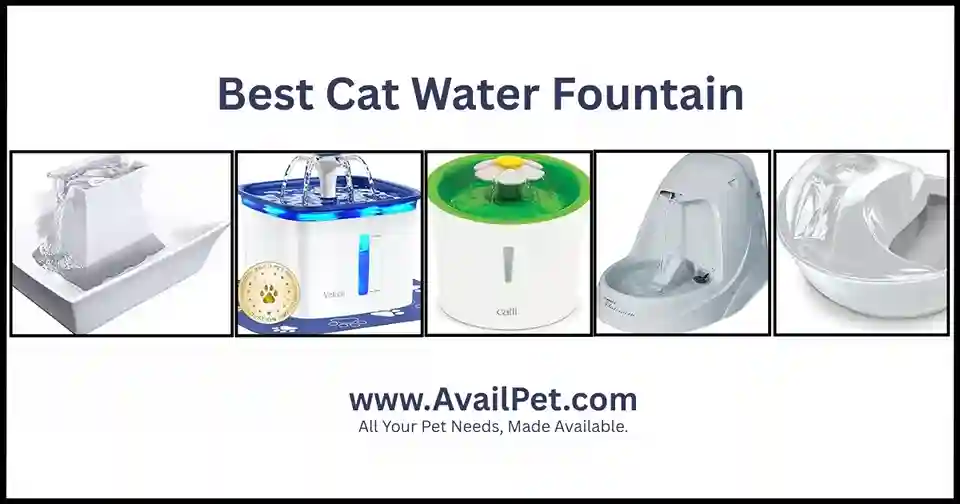
| Catit Flower Fountain | Similar price point, different design aesthetic, also BPA-free |
| Pioneer Pet Raindrop | Stainless steel alternative, ceramic options available |
| Drinkwell Platinum | Larger capacity (5L) for multi-cat homes with 3+ cats |
How to Clean and Maintain Your Petlibro Fountain
Proper maintenance is essential for your cat’s health and the fountain’s longevity.
Cleaning Schedule
| Task | Frequency |
|---|---|
| Rinse and refill water | Every 2-3 days |
| Full cleaning (plastic models) | Every 3-5 days |
| Full cleaning (stainless steel) | Weekly |
| Filter replacement | Every 2-4 weeks |
| Pump disassembly and deep clean | Monthly |
*”According to Dr. Jackson, ‘Biofilm—a slimy layer of bacteria—develops in any water fountain, especially plastic models. Never skip the 3-5 day cleaning schedule for plastic fountains.'”*
Step-by-Step Cleaning
Step 1: Unplug the fountain (or remove from charging base for cordless model)
Step 2: Disassemble all removable parts (tank, top plate, pump, spout)
Step 3: Discard old water and rinse components with warm water
Step 4: Clean with mild dish soap (avoid harsh chemicals or bleach)
Step 5: Scrub the pump using the included brush or a cotton swab (pay special attention to the impeller)
Step 6: Rinse all parts thoroughly (ensure no soap residue remains)
Step 7: Replace filter if due (soak new filter in water for 5 minutes first)
Step 8: Reassemble and refill with fresh, cold water
Tap vs. Filtered vs. Distilled Water
| Water Type | Recommendation |
|---|---|
| Tap water | Acceptable for most cats. Replace filter every 2 weeks if water is hard. |
| Filtered water (Brita, etc.) | Ideal. Reduces mineral buildup and extends filter life. |
| Distilled water | Not recommended. Lacks minerals cats need. Can cause electrolyte imbalance over time. |
Pump Troubleshooting (Fountain Not Working?)
| Problem | Solution |
|---|---|
| Pump not running | Check power connection. For cordless, recharge battery. |
| Low water flow | Clean pump impeller. Check for debris in the intake. |
| Loud noise | Pump may be running dry. Add water. Clean pump thoroughly. |
| Water not circulating | Check if filter is clogged. Replace if needed. |
| Cordless won’t charge | Ensure charging base is plugged in. Align fountain properly on base. |
Where to Buy Replacement Parts
- Filters: Available on Amazon (search “Petlibro replacement filters”)
- Pumps: Contact Petlibro customer support or check Amazon
- Charging base (cordless): Petlibro official store
Frequently Asked Questions (FAQ)
Do cats really prefer water fountains?
“According to Dr. Jackson, ‘Yes. Multiple studies and decades of veterinary observation confirm that most cats drink significantly more from moving water sources than stagnant bowls. The visual and auditory cues trigger their natural instinct to seek fresh, running water.'”
How often should I change the filter?
Every 2-4 weeks depending on your water hardness and number of cats. Hard water will clog filters faster. Petlibro filters are widely available on Amazon.
Can I put the stainless steel fountain in the dishwasher?
Yes. The stainless steel tank and top plate are dishwasher-safe (top rack recommended). The pump and plastic components should be hand-washed.
How long does the cordless fountain really last on a charge?
30-60 days is accurate. The fountain cycles on and off to preserve battery. If you notice reduced flow, it’s time to recharge. The wireless charging base makes recharging simple.
Is the cordless fountain safe if my cat knocks it over?
“According to Dr. Jackson, ‘The cordless model has no electrical risk if knocked over since there’s no cord plugged into an outlet. This is a significant safety advantage over corded fountains. No risk of water meeting electricity.'”
Are Petlibro fountains BPA-free?
Yes. All plastic components in Petlibro fountains are made from BPA-free materials, safe for your cat.
Can I leave my cat with a water fountain for a week?
Yes with the stainless steel model (less biofilm buildup, can go weekly between cleanings). No with plastic models (need cleaning every 3-5 days to prevent bacteria). Always have a backup water bowl when traveling for extended periods.
My cat still isn’t drinking enough. What else can I do?
*”According to Dr. Jackson, ‘A fountain is a great start. Additional strategies include switching from dry to wet food (70-80% moisture vs. 10%), adding water to wet food, placing multiple water sources around the house, and consulting your veterinarian about underlying medical issues.'”*
What is the warranty on Petlibro fountains?
- Classic Plastic: 1-year limited warranty
- Stainless Steel: 2-year limited warranty
- Cordless: 1-year limited warranty
How much water should a cat drink daily?
A healthy cat should drink approximately 3.5 to 4.5 ounces of water per 5 pounds of body weight per day. Cats on dry food need more; cats on wet food need less.
Can I use the cordless fountain while it’s charging?
Yes. The fountain operates normally while sitting on the wireless charging base.
What’s the difference between the 3-stage and 4-stage filtration?
The 4-stage filter (stainless steel model) adds an ion exchange resin that softens water and removes heavy metals. The 3-stage filter (plastic and cordless) removes debris and odors but does not soften water.
Final Verdict: Which Petlibro Water Fountain Should You Buy?
Best Overall: PETLIBRO Stainless Steel Cat Water Fountain
*”According to Dr. Jackson, ‘The combination of superior hygiene (non-porous stainless steel), largest capacity (3.2L), and best filtration (4-stage) makes this the fountain I recommend to most of my clients. It’s a higher initial investment, but it’s more durable, easier to clean, and better for your cat’s health. For multi-cat homes or cats with any health concerns, this is the clear winner.'”*
Best Budget Choice: PETLIBRO Classic Plastic Cat Water Fountain
If you’re trying a fountain for the first time or have budget constraints, the classic plastic model delivers the same moving water benefits at a lower price. Just be diligent about cleaning every 3-5 days to prevent bacterial buildup.
Best for Safety & Flexibility: PETLIBRO Cordless Cat Water Fountain
For households with kittens, cord-chewers, or no convenient outlets, the cordless model is the safest and most flexible option. The ability to place it anywhere often results in increased drinking simply because the fountain is always visible and accessible.
The Bottom Line
Dehydration is a silent threat to feline health. A Petlibro water fountain is one of the most effective non-medical interventions you can provide for your cat. Whether you choose the affordable classic, the hygienic stainless steel, or the flexible cordless model, you’re making an investment in your cat’s kidney health, urinary tract, and overall longevity.
*”According to Dr. Jackson, ‘As a veterinarian, I recommend these fountains because I’ve seen the difference they make. Cats drink more. Owners have peace of mind. And we catch fewer dehydration-related health issues down the road. A $50 fountain today can save you thousands in veterinary bills for kidney disease tomorrow.'”*
As always, consult with your veterinarian about your cat’s specific hydration needs—especially if your cat has a history of kidney disease, urinary crystals, or other chronic conditions.