As a veterinarian practicing in 2026, I’ve witnessed a remarkable shift in how pet owners approach preventive care. The days of simply filling a bowl and hoping for the best are fading. Today, we have technology that actively supports our pets’ health—and few brands have embraced this mission as effectively as PETLIBRO.
Why does this matter clinically? Because the two most common health issues I diagnose in cats are directly linked to hydration and nutrition:
- Chronic dehydration contributes to kidney disease, urinary crystals, and bladder infections—conditions that affect nearly 1 in 3 senior cats.
- Obesity now impacts over 60% of domestic cats, leading to diabetes, arthritis, and shortened lifespans.
PETLIBRO has emerged as a brand that doesn’t just make convenient gadgets. They manufacture preventive health tools—water fountains that encourage drinking and automatic feeders that enforce portion control and dietary precision.
In this comprehensive review, I’ll walk you through PETLIBRO’s 2026 lineup, including their water fountains and automatic feeders. I’ll share which products I recommend for specific medical scenarios, what to look for based on your cat’s needs, and how these devices can support a longer, healthier life for your feline family member.
Whether you’re managing a cat with kidney disease, juggling multiple pets with different prescription diets, or simply want to invest in preventive care, this guide will help you make an informed decision.
Why Hydration & Nutrition Matter: A Vet’s Perspective
Before we dive into the products themselves, let’s understand why these categories matter so profoundly.
The Dehydration Crisis in Cats
Cats evolved from desert-dwelling wildcats. Their natural thirst drive is remarkably low—they were designed to obtain most of their moisture from prey. This biological quirk means that even when fresh water is available, many cats simply don’t drink enough from a stagnant bowl.
The consequences are severe:
- Chronic kidney disease (CKD) is the leading cause of death in senior cats. While genetics play a role, lifelong inadequate hydration significantly accelerates kidney decline.
- Feline lower urinary tract disease (FLUTD) , including painful urinary crystals and blockages, is directly linked to concentrated urine from low water intake.
- Constipation and dehydration-related lethargy are common but often overlooked.
Research shows that moving water increases a cat’s water intake by 30-50% . This is why I recommend water fountains to nearly every cat owner I see. PETLIBRO’s fountains provide that crucial flowing water in formats that suit different lifestyles and health needs.
The Obesity Epidemic
Feline obesity has reached crisis levels. More than half of the cats I examine are overweight or obese, and the trend is worsening.
Obesity isn’t just about appearance—it’s a disease that causes or exacerbates:
- Diabetes mellitus
- Osteoarthritis and mobility issues
- Hepatic lipidosis (fatty liver disease)
- Decreased life expectancy by up to 2-3 years
The primary culprit? Free-feeding. Leaving a bowl of kibble out all day allows cats to graze continuously, consuming far more calories than they need. Automatic feeders solve this by providing precise portion sizes at scheduled times.
The Multi-Pet Dilemma
In households with multiple cats—which describes many of my clients—ensuring each cat receives the correct diet becomes nearly impossible. One cat may need a prescription urinary diet while another requires a weight-management formula. Traditional feeding allows food stealing, undermining medical treatment.
This is where PETLIBRO’s RFID technology becomes a medical necessity. By reading each cat’s microchip, these feeders ensure that the right food reaches the right cat—no exceptions.
Category 1: PETLIBRO Water Fountains
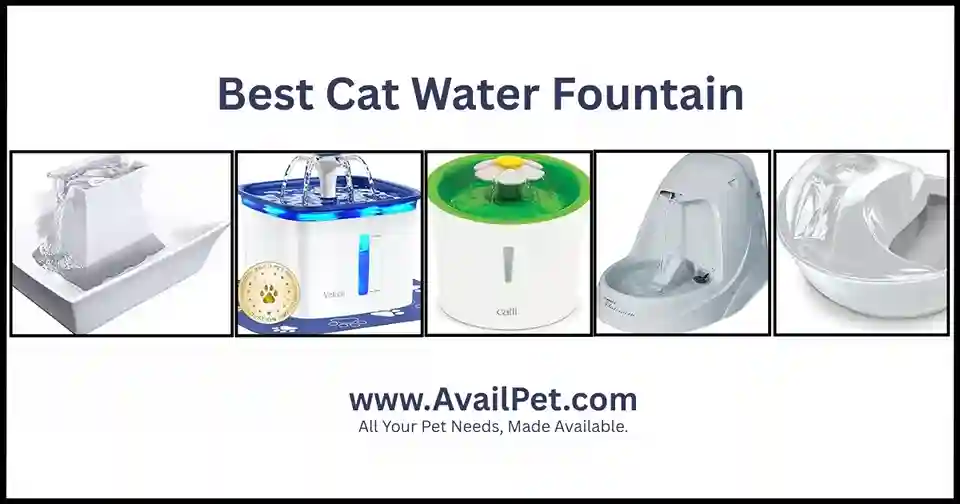
Water fountains are the single most effective tool for increasing your cat’s hydration. PETLIBRO offers several options, but three specific models stand out in 2026 for their distinct veterinary benefits. Read Full Review- PETLIBRO Water Fountain Review 2026: Stainless Steel vs. Cordless vs. Plastic – Vet’s Guide to Feline Hydration
| Feature | Classic Plastic | Stainless Steel | Cordless |
|---|---|---|---|
| Best For | Budget, small spaces | Hygiene, cat acne prevention | Safety, placement flexibility |
| Material | BPA-free plastic | 304 Stainless Steel | BPA-free plastic + wireless |
| Filtration | 3-stage | 4-stage (improved) | 3-stage |
| Capacity | 2.1L | 3.2L | 2.2L |
| Noise Level | Low | Very low | Silent operation |
| Vet Rating | ⭐⭐⭐⭐ | ⭐⭐⭐⭐⭐ | ⭐⭐⭐⭐½ |
PETLIBRO Cat Water Fountain (Classic Plastic)
The classic PETLIBRO fountain is the model that started it all, and it remains an excellent entry point for owners new to water fountains.
How It Works:
This fountain uses a small submersible pump to circulate water through a 3-stage filtration system. Water flows gently over a flower-shaped spout, creating the moving water effect that cats find irresistible. The 2.1-liter capacity means fewer refills, and the transparent water window lets you monitor levels at a glance.
Veterinary Focus:
Moving water is the star here. Cats who ignore stagnant bowls will often drink enthusiastically from a fountain. The 3-stage filtration removes hair, sediment, and heavy metals, providing cleaner, better-tasting water that encourages higher intake.
From a clinical perspective, even a modest increase in water consumption can significantly dilute urine, reducing the risk of crystal formation and supporting kidney function.
Best For:
- First-time fountain owners
- Single-cat households
- Owners on a budget
Considerations:
- Plastic material requires more frequent cleaning (every 3-5 days) to prevent biofilm buildup
- Not ideal for cats prone to feline acne (see stainless steel option below)
PETLIBRO Stainless Steel Cat Water Fountain
If I could recommend only one fountain to my clients, this would be it. The stainless steel version addresses the primary drawback of plastic fountains while adding improved filtration.
How It Works:
The same reliable circulation system as the classic model, but with a 304 stainless steel water tank and top plate. The filtration system is upgraded to 4 stages, including an ion exchange resin that softens water and removes heavy metals more effectively. The 3.2-liter capacity is the largest in PETLIBRO’s fountain lineup.
Veterinary Focus:
Stainless steel is non-porous, meaning it does not develop microscopic scratches that harbor bacteria over time. This is critical for two reasons:
- Feline acne: Many cats develop chin acne from plastic bowls due to bacterial accumulation. Stainless steel eliminates this risk.
- Immune-compromised pets: For cats with chronic kidney disease, FIV, or diabetes, minimizing bacterial exposure is essential.
The improved filtration also means cleaner water with less mineral content, which is beneficial for cats prone to urinary crystals.
Best For:
- Multi-cat households
- Cats with feline acne or skin sensitivities
- Owners prioritizing hygiene and durability
- Cats with urinary or kidney conditions
Considerations:
- Higher initial investment than plastic models
- Slightly heavier to lift for cleaning
PETLIBRO Cordless Cat Water Fountain
Innovation in 2026 means cutting the cord—literally. The cordless fountain represents a significant advancement in pet water safety and flexibility.
How It Works:
This fountain operates on a rechargeable battery system, delivering up to 30-60 days of use on a full charge. The pump runs intermittently to conserve power while still providing moving water throughout the day. A wireless charging base makes recharging as simple as placing the fountain back in its designated spot.
Veterinary Focus:
From a safety standpoint, this fountain is revolutionary. Every year, I hear about incidents where pets chew through electrical cords—a risk that ranges from electrical shock to fire hazards. The cordless design eliminates this risk entirely.
But there’s also a behavioral benefit. Because there’s no cord restricting placement, you can position the fountain anywhere your cat feels comfortable. I’ve seen clients place these on kitchen islands, in living rooms, and even in bedrooms—locations that encourage more frequent drinking simply because the fountain is present in spaces where cats naturally spend time.
Best For:
- Kittens and curious chewers
- Homes without convenient outlets
- Owners who want to place fountains in non-traditional locations
- Safety-conscious households
Considerations:
- Requires periodic charging (approximately every 30-60 days)
- Slightly lower capacity than the stainless steel model
Category 2: PETLIBRO Feeders
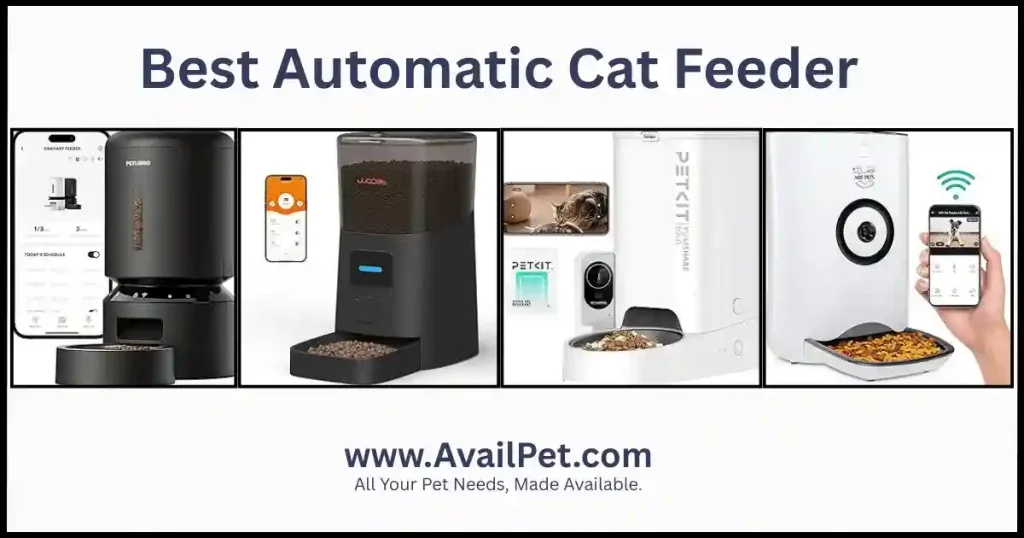
Hydration is half the equation. The other half is precise, consistent nutrition. PETLIBRO’s feeder lineup has evolved dramatically, offering solutions for dry food, wet food, and multi-pet management. Read our full Review—>
| Feature | Granary Smart Camera | RFID Automatic Feeder | Standard Automatic | Wet Food Feeder |
|---|---|---|---|---|
| Best For | Remote monitoring | Multi-pet prescription diets | Dry food scheduling | Fresh wet food automation |
| Connectivity | Wi-Fi + Camera | RFID (no Wi-Fi needed) | Basic programming | App-controlled |
| Food Type | Dry only | Dry only | Dry only | Wet + dry with ice packs |
| Portions Per Day | Up to 6 | Up to 4 | Up to 4 | Up to 4 |
| Power Source | AC + Battery Backup | AC + Battery Backup | AC + Battery Backup | AC + Battery Backup |
| Vet Rating | ⭐⭐⭐⭐½ | ⭐⭐⭐⭐⭐ | ⭐⭐⭐⭐ | ⭐⭐⭐⭐⭐ |
Free Interactive Tool
Not sure exactly how many calories or cups your cat needs every day?
Don’t guess based on generic charts. Use our vet-backed Cat Feeding Calculator to get a precise, personalized daily meal and treat blueprint matching your cat’s exact weight and lifestyle.
Calculate Your Cat’s Portions Now →Petlibro Granary Smart Camera Feeder
Read Our Full Granary Review → Petlibro Granary Smart Camera Feeder Review 2026: Our 3-Month Test with Vet Insights Reveals Who Should Buy It
The Granary Smart Camera Feeder bridges the gap between feeding and remote health monitoring.
Veterinary Focus:
From a clinical standpoint, the camera feature is more than a convenience—it’s a diagnostic tool. When I’m managing a cat with chronic illness, appetite changes are often the first sign of trouble. This feeder allows owners to:
- Visually confirm that meals were eaten
- Receive alerts if a scheduled meal is missed
- Monitor eating patterns over time
- Check in remotely while traveling
Early detection of appetite loss can mean earlier intervention for conditions like pancreatitis, kidney disease flare-ups, or dental pain.
Best For:
- Owners who travel frequently
- Cats with chronic illnesses requiring appetite monitoring
- Anxious owners who want peace of mind
PETLIBRO RFID Automatic Cat Feeder
This is, without question, the most important feeder for multi-cat households with medical needs. The RFID technology solves the feeding challenge that has frustrated veterinarians and owners for decades.
How It Works:
The feeder reads each cat’s existing ISO-standard microchip (or included RFID tag) and only opens for the assigned pet. The bowl remains sealed to other animals, ensuring dietary precision.
Veterinary Focus:
In multi-cat households, managing prescription diets has historically been a nightmare. Consider this common scenario:
- Cat A: Prescription urinary diet for crystal prevention
- Cat B: Senior diet for kidney support
- Cat C: Weight management formula
With traditional feeding, Cat A eats Cat B’s food, Cat B eats Cat C’s food, and nobody receives the correct nutrition. Medical treatment is undermined, and conditions worsen.
The RFID feeder solves this completely. Each cat can only access their designated food. This is essential for:
- Prescription diet compliance: Ensures therapeutic diets work as intended
- Allergy management: Prevents cross-contamination with allergenic ingredients
- Portion control: Each cat receives precisely measured amounts
- Medicated food delivery: Ensures cats on medicated diets aren’t sharing
Best For:
- Multi-cat households (2-4 cats)
- Cats on prescription or specialty diets
- Households with food stealing
- Cats requiring precise portion control
Considerations:
- Higher investment than standard feeders
- Requires one feeder per cat
PETLIBRO Automatic Cat Feeder (Standard)
The standard automatic feeder is the reliable workhorse of PETLIBRO’s lineup—simple, effective, and perfect for single-cat households.
How It Works:
Program up to four meals per day with precise portion sizes (1/8 cup increments). The sealed hopper holds dry kibble and includes a desiccant bag to maintain freshness. A battery backup ensures meals dispense even during power outages.
Veterinary Focus:
Obesity prevention starts with portion control. Many owners underestimate how much they’re feeding—a “handful” can easily become double the recommended daily calories. This feeder eliminates guesswork.
Additionally, consistent meal times provide behavioral benefits. Cats thrive on routine, and scheduled feeding reduces anxiety, begging, and middle-of-the-night wake-up calls.
Best For:
- Single-cat households
- Owners with predictable schedules
- Cats requiring weight management
- Travel and vacation feeding
PETLIBRO Automatic Cat Feeder for Wet Food
Wet food is superior for hydration and kidney health, but historically, it couldn’t be left out all day. This feeder changes everything.
How It Works:
The feeder includes a built-in ice pack compartment that keeps wet food fresh and cool for hours. A partitioned tray allows you to schedule multiple wet food meals throughout the day. The app-controlled system lets you manage feeding remotely.
Veterinary Focus:
For cats with kidney disease, urinary issues, or simply for optimal hydration, wet food is the gold standard. It provides moisture that dry food cannot.
The problem has always been practicality. Wet food spoils within hours at room temperature, making it impossible for owners with long work hours or weekend travel to maintain a wet food diet.
This feeder solves that. The ice pack system keeps food at safe temperatures, allowing owners to provide wet food even during 12-hour workdays or overnight. This means:
- Cats with kidney disease can maintain wet food diets
- Owners can feed wet food without being home every 4-6 hours
- Multi-day trips become possible without switching to dry food
Best For:
- Cats on wet food diets
- Owners with long work hours
- Cats with kidney disease or urinary conditions
- Weekend travel feeding
Considerations:
- Ice packs require freezing (rotate multiple packs for continuous use)
- Larger footprint than dry-only feeders
How to Choose the Right PETLIBRO Product for Your Cat
Use this decision guide to match your cat’s needs with the right product.
| Your Situation | Recommended Product |
|---|---|
| Multiple cats with different prescription diets | RFID Automatic Cat Feeder |
| Cat prone to acne or skin issues | Stainless Steel Water Fountain |
| Want to monitor eating habits remotely | Granary Smart Camera Feeder |
| Feed wet food but work long hours | Wet Food Automatic Feeder |
| Worried about electrical cords | Cordless Cat Water Fountain |
| First fountain or feeder purchase | Classic Plastic Fountain OR Standard Feeder |
| Single cat, standard needs | Standard Automatic Feeder + Stainless Steel Fountain |
| Senior cat with kidney disease | Wet Food Feeder + Stainless Steel Fountain |
Frequently Asked Questions
How often should I clean a PETLIBRO fountain?
For stainless steel models, a thorough cleaning once a week is sufficient. For plastic models, I recommend cleaning every 3-5 days to prevent biofilm and bacterial buildup. Filters should be replaced every 2-4 weeks depending on water hardness and usage.
Can the RFID feeder read my cat’s existing microchip?
Yes. The PETLIBRO RFID feeder reads most standard ISO microchips (117/125 kHz). Simply register your cat’s chip number with the feeder. No additional tag is required unless your cat is not microchipped.
Are PETLIBRO products safe for kittens?
Yes, with one consideration. For corded products, ensure the cord is protected or routed safely. I typically recommend the cordless fountain for households with kittens or puppies to eliminate chewing hazards entirely.
How long does the cordless fountain battery last?
On a full charge, expect 30-60 days of operation depending on pump usage frequency. The fountain operates intermittently to preserve battery while still providing moving water throughout the day.
Can I use the wet food feeder for dry food only?
Absolutely. The wet food feeder works perfectly for dry food, though you’ll lose the wet food preservation benefit. For dry food only, the standard feeder or Granary may be more cost-effective.
What happens during a power outage?
All PETLIBRO feeders include battery backup systems (usually requiring 3 D-cell batteries) that ensure meals continue dispensing during outages. The fountains, however, will stop flowing during power outages unless you have the cordless model, which operates on battery.
Final Verdict: Which PETLIBRO Products Should You Buy?
After years of recommending PETLIBRO products to my patients and using them in multi-cat household management, I can confidently say they’ve earned their reputation. The 2026 lineup addresses the three pillars of feline preventive health: hydration, portion control, and multi-pet management.
| Category | Top Pick | Why |
|---|---|---|
| Best Fountain Overall | Stainless Steel Cat Water Fountain | Superior hygiene, durability, and bacterial resistance. The veterinary gold standard. |
| Best Feeder Overall | RFID Automatic Cat Feeder | Essential for multi-cat medical management. Solves prescription diet compliance. |
| Most Innovative | Cordless Fountain + Wet Food Feeder | Cordless addresses safety concerns; wet food feeder solves the wet food accessibility problem. |
| Best Value | Classic Plastic Fountain + Standard Feeder | Reliable, affordable entry points that deliver proven health benefits. |
The Bottom Line
Investing in a PETLIBRO fountain or feeder isn’t just about convenience—it’s about preventive medicine. Encouraging hydration through moving water reduces the risk of kidney disease and urinary conditions. Precise portion control through automatic feeding prevents obesity and its cascade of secondary diseases. RFID technology ensures that multi-cat households can manage prescription diets effectively.
As a veterinarian, I recommend these tools because I’ve seen the difference they make. Cats drink more. Cats maintain healthier weights. Owners have peace of mind knowing their pets are cared for—even when they’re away.
Ready to upgrade your cat’s health routine? Click the links above to view current pricing on Amazon. And as always, consult with your veterinarian about which solution best fits your cat’s specific medical needs.
Dr. Allona Jackson, DVM, is a contributing veterinarian to AvailPet.com. She practices small animal medicine with a focus on feline preventive care and chronic disease management.