The Newfoundland Dog stands as a canine legend—a majestic, powerful giant with the soul of a gentle nursemaid and the instinct of a fearless lifeguard. Known equally as the quintessential “nanny dog” for their profound patience with children and as heroic water rescue dogs, their imposing size is beautifully contradicted by their serene and loving temperament. This captivating blend of might and gentleness makes them a dream family guardian for the right home.
However, we understand that their magnificent stature and sweet nature are coupled with profound, non-negotiable responsibilities. Owning a Newfoundland means committing to giant breed health risks, monumental lifetime costs, and specialized care that must begin from the moment you bring home a puppy.
In this essential guide, Dr. Allona Jackson, DVM, separates the breed’s mythical reputation from the disciplined, proactive ownership they require. We’ll cover the critical health screenings that are matters of life and death, the daily realities of managing their massive size and iconic coat, and the financial and emotional preparation needed.
This deep dive into the world of a giant breed expands upon our foundational resource for matching families with suitable companions, detailed in our comprehensive pillar article: Best Dog Breeds for Families. Let’s ensure your vision of life with a gentle giant is built on a foundation of preparedness, setting the stage for a rich, albeit shorter, journey of unparalleled loyalty and love.
Newfoundland Temperament & The Giant Breed Profile
To live with a Newfoundland is to experience a unique paradox: sharing your home with a creature of immense physical power who chooses, almost universally, to be a calm, gentle presence. Their temperament is not an accident; it was cultivated for generations to work closely and patiently with humans, especially around water and children. In 2026, we recognize that understanding this temperament is the first step in providing the structured, respectful environment they need to thrive.
Personality: The Calm, Gentle Guardian
A well-bred Newfoundland embodies a specific, magnificent set of traits that define the breed:
- The Gentle Giant: Their most famous characteristic. They are typically incredibly patient, sweet-natured, and slow to anger. They possess a natural, watchful protectiveness over their family, especially children.
- The Intelligent Worker: Bred for demanding water rescue work, they are smart, trainable, and intuitive. They often seem to “think” before they act.
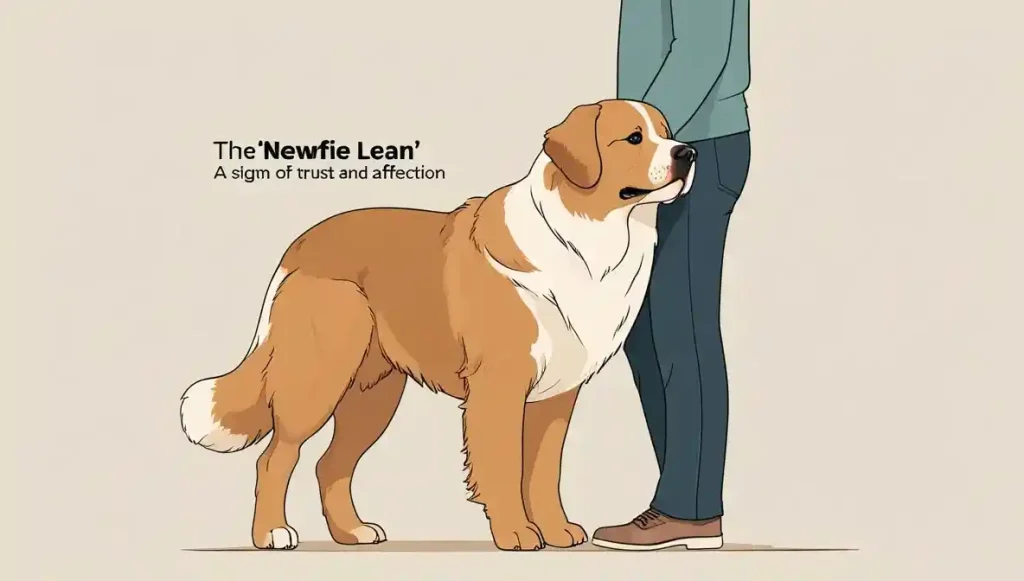
- The “Newfie Lean”: A classic sign of affection where they will gently lean their full weight against you, seeking physical contact and offering their quiet companionship.
- The Water Dog: An innate love of water is in their DNA. They are powerful, natural swimmers with webbed feet and a water-resistant double coat.
The Newfoundland Profile: Size & Scale
| Trait | Specification | Implications for Ownership |
|---|---|---|
| Size | Males: 130-150 lbs, 28 inches tall at the shoulder. Females: 100-120 lbs, 26 inches tall. | This is not just a “big dog.” This is a substantial physical presence that impacts your entire home logistics: vehicle size, furniture strength, doorway width, and the space needed for them to move comfortably. |
| Average Lifespan | 8-10 years. | A shorter journey than many breeds. This necessitates emotional preparation and a commitment to maximizing quality of life through proactive healthcare from the start. |
Newfoundlands with Kids & Families: The Ultimate Gentle Giant
This is where the breed’s reputation is most deservedly earned, but it requires managed integration.
- Natural Affinity: Their patience with children is legendary. They often display a nurturing, tolerant attitude, making them wonderful companions for respectful kids.
- The Crucial Caveats:
- Supervision is Mandatory: Due to their sheer size, an excited turn or a wagging tail can accidentally knock over a small child. Always supervise interactions.
- Teach Respect: Children must be taught not to climb on, startle, or treat the dog like a piece of furniture. The dog needs its own space and rest.
- The “Nanny” Myth: While gentle, they are not babysitters. The adult is always responsible for safety.
The “Giant” Factor: Space, Strength & Logistics
Owning a giant breed is a lifestyle commitment that goes far beyond feeding and walking.
- Home & Vehicle: You need a vehicle that can safely transport a 100+ lb dog (often an SUV or van). Your home needs wide pathways, sturdy floors, and reinforced baby gates. Planning for assisted mobility in their senior years (dog ramps, lifting harnesses) is a forward-thinking necessity.
- Financial Scaling: Everything costs more: food, medications (dosed by weight), grooming, boarding, beds, crates, and veterinary care. A course of antibiotics for a Newfie can cost 3-4 times more than for a small dog.
- Strength & Control: You must be physically capable of handling a strong animal on a leash, especially in their adolescent years. Training for polite leash manners is not optional; it’s a safety requirement.
Dr. Jackson’s Advice: “You don’t just own a Newfoundland; you manage a Newfie-sized life. Every decision, from your choice of car to your weekend plans, must consider their size and needs. The reward for this management is the profound, peaceful companionship of a dog whose default setting is gentle devotion.”
The Newfoundland Health Protocol: A Proactive Giant Breed Plan
The Newfoundland’s serene demeanor and powerful physique are supported by a body with specific, serious genetic vulnerabilities. Their giant size amplifies every health risk, making a proactive, prevention-first strategy not just ideal, but imperative for their quality and length of life. In 2026, responsible ownership is defined by rigorous screening, controlled growth management, and a partnership with a veterinarian experienced in giant breed medicine.
Dr. Jackson’s Newfoundland-Specific Health Strategy
Your approach must shift from reactive care to systematic, anticipatory action. The first line of defense is your breeder; the second is your unwavering vigilance.
Core Focus 1: Cardiac Health – The Non-Negotiable #1 Priority
Newfoundlands are tragically prone to a specific, life-threatening heart condition.
- Subaortic Stenosis (SAS): This is a congenital heart defect where there is a narrowing below the aortic valve, forcing the heart to work dangerously hard to pump blood. It is a leading cause of early death in the breed.
- Your Action Plan:
- The Breeder’s Mandate: Reputable breeders must test their breeding stock. Demand to see clearances from a board-certified veterinary cardiologist for both parents. This should include an echocardiogram with Doppler ultrasound to measure blood flow and pressure gradients. A simple vet’s stethoscope check is insufficient.
- Know the Signs: Subtle signs include reduced stamina, tiring easily on walks, fainting (syncope), or a cough. Any of these warrant immediate veterinary investigation, ideally with a cardiologist.
Core Focus 2: Orthopedic Health – Managing a Massive Frame
Their substantial weight places immense stress on developing joints.
- Hip & Elbow Dysplasia: Malformations of these critical joints lead to painful arthritis and lameness.
- Your Action Plan:
- Breeder Screening: OFA or PennHIP certification for parents is mandatory.
- Controlled Growth Nutrition: This is critical. You must feed a large/giant breed puppy formula specifically designed to promote slow, steady growth, preventing the rapid weight gain that devastates developing joints.
- Exercise Management: Avoid forced running, jumping on/off furniture, and long walks on hard surfaces until growth plates close (around 18-24 months). Focus on controlled play and short, gentle walks.
- Lifetime Weight Management: Keep your Newfie lean. Every extra pound is multiplied stress on their joints. You should always be able to easily feel their ribs.
Core Focus 3: Other Critical Giant Breed Concerns
- Cystinuria: A genetic disorder causing the formation of cystine stones in the kidneys and bladder, which can cause a life-threatening blockage, especially in males. Reputable breeders genetically test for this mutation and will not breed affected dogs.
- Gastric Dilatation-Volvulus (Bloat):Extremely high risk. Their deep chest cavity makes them a prime candidate for this acute, fatal condition where the stomach fills with gas and twists.
- Prevention: Feed 2-3 smaller meals daily, avoid vigorous exercise for at least one hour before and after eating, and discourage rapid water consumption.
- The Surgical Safeguard – Prophylactic Gastropexy: This procedure, which surgically tacks the stomach to the body wall to prevent twisting, is highly recommended and can be performed during spay/neuter. It is considered a standard of preventative care for at-risk giant breeds.
- Heat Intolerance: Their dense, dark coat is a significant liability in warm weather. They overheat quickly and are at high risk for heatstroke. Air conditioning is a summer necessity, not a luxury.
Nutrition for Controlled Growth & Lifelong Health
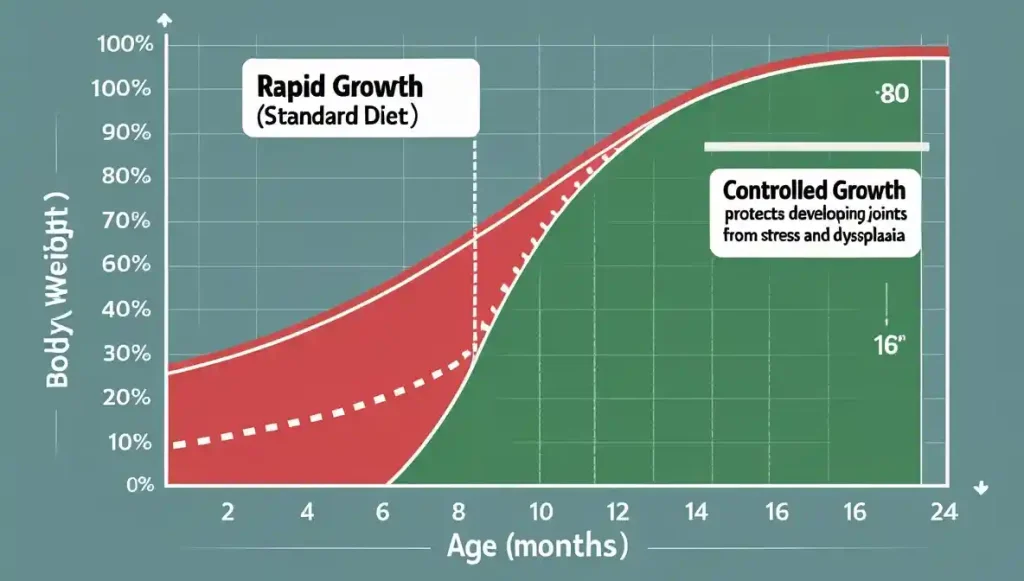
- Best Food for a Newfoundland: The choice is pivotal. From puppyhood through adulthood, select a high-quality diet formulated for large/giant breeds from a reputable company. These diets have the appropriate calcium/phosphorus ratios and caloric density.
- Portion Control is Law: Follow feeding guidelines based on ideal weight, not current weight, and adjust for individual metabolism. Use a measuring cup.
- Joint Supplements: Discuss with your vet whether adding glucosamine/chondroitin supplements is appropriate, especially as they age or show signs of stiffness.
Healthcare-Framed:
- “For controlled growth, a diet like Royal Canin Giant Breed Puppy is specifically formulated for the needs of breeds like the Newfoundland.”
- “A slow-feed bowl can help prevent gulping (linked to bloat risk) and turns mealtime into a brain-stimulating activity.”
Dr. Jackson’s Health Principle: “With a Newfoundland, you are the steward of a magnificent but vulnerable biological system. Your daily decisions on food, exercise, and environment directly influence their odds against serious disease. Proactive, almost paranoid care—from choosing the right breeder to scheduling that gastropexy—is the price of admission for a long, healthy life with your gentle giant.”
Grooming, Drool & Climate Management
The Newfoundland’s magnificent, thick coat is a hallmark of the breed, serving as insulation and protection. However, it is also the source of one of the most significant ongoing commitments of ownership. Coupled with their prolific drooling, grooming a Newfie is not a casual hobby—it is a substantial, non-negotiable chore that directly impacts their comfort, health, and your home environment. In 2026, we understand this maintenance as a core component of their preventative healthcare.
Maintaining the Newfie: A Major Chore
The Coat Commitment: Brushing as Preventative Medicine
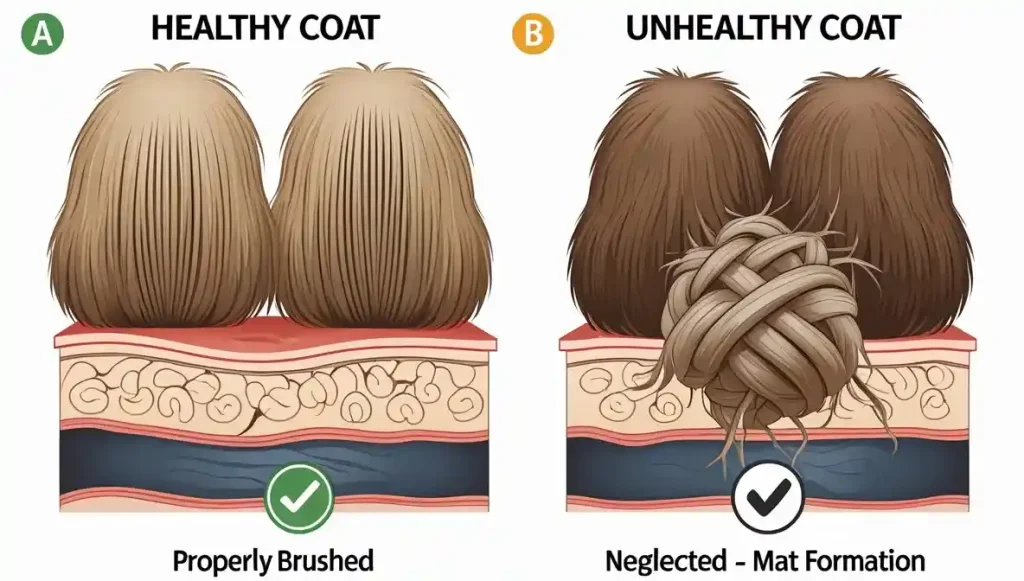
Their double coat consists of a dense, soft undercoat and a longer, coarser outer coat. It sheds heavily year-round, with intense “coat blows” seasonally.
- Brushing Frequency:Daily to every other day is the minimum requirement to prevent mats and manage shedding.
- In Humid or Wet Climates: Daily brushing is non-negotiable. Moisture causes the undercoat to mat and felt against the skin with shocking speed, leading to painful hot spots and skin infections.
- The Right Tools:
- Undercoat Rake: Essential for reaching and removing the dense undercoat.
- Slicker Brush & Long-Toothed Metal Comb: For working through the outer coat and checking for tangles down to the skin.
- Technique: You must practice “line brushing.” Part the coat down to the skin, brush that section thoroughly, then follow with the comb to ensure no hidden tangles are forming at the skin level. Pay special attention to high-friction areas: behind the ears, under the collar, armpits, the “pants” (back of thighs), and the tail.
Bathing & Drying: A Logistical Feat
- Bathing: Due to their size and coat density, bathing at home is a major project. Many owners opt for professional grooming every 6-8 weeks.
- The Critical Step – Drying: Never let a Newfoundland air-dry. Their dense coat will trap moisture against the skin for days, creating a perfect environment for fungal and bacterial infections (hot spots). A high-velocity pet dryer is an essential tool to blow water out of the undercoat completely.
The Drool Reality: Embracing the “Newfie Glitter”
Drool is not an occasional nuisance; it is a constant, prolific fact of life.
- It will be everywhere: On walls, windows, ceilings (from head shakes), your clothes, your furniture, and occasionally in your food. It strings, it flings, it dries into crust.
- Management Strategies:
- Keep “drool rags” (old hand towels) stationed strategically around the house—by doors, food bowls, and favorite resting spots.
- Use a bib or “slobber bandana” around their neck to catch the worst of it.
- Accept that you will be washing walls and windows frequently.
- Choose home furnishings and wall colors with easy cleanup in mind.
Paw, Nail & Hygiene Care
- Nail Trimming: Large, thick nails need trimming every 2-3 weeks. Long nails alter their gait and put extra stress on already vulnerable joints.
- Paw Pad Care: Check between the toes and pads regularly for mats, cuts, or embedded debris (like snowballs in winter). Trimming the hair between the paw pads can improve traction on smooth floors.
- Beard & Mouth Care: Their beard collects water, food, and drool. Wipe it down after eating and drinking to prevent odor and bacterial growth. Regular teeth brushing is also crucial.
Climate Considerations: Heat is the Enemy
Their coat, ideal for cold water and climates, becomes a dangerous liability in heat.
- Heatstroke Risk: Extremely high. They should never be left outdoors unattended in warm weather. Exercise must be limited to the coolest parts of the day (early morning, late evening).
- Summer Essentials: Air conditioning is mandatory in hot climates. Provide constant access to cool, fresh water and consider cooling mats or vests.
- The Shaving Myth: Never shave a Newfoundland. Their coat provides insulation against heat as well as cold. Shaving removes this protection, exposes pale skin to sunburn, and can permanently damage the coat’s texture and ability to regulate temperature.
The Grooming Bottom Line: When you choose a Newfoundland, you are signing up for a significant, recurring investment of both time and money. Professional grooming costs are substantial, and the daily brushing commitment is relentless. Neglect is not an option—it leads directly to the dog’s suffering through mats, skin infections, and overheating. The reward is a healthy, comfortable dog whose majestic appearance is a testament to your dedicated care.
Training & Socialization for a Powerful Companion
A well-trained Newfoundland is a joy; an untrained one is a liability of monumental proportions. Their immense strength, combined with their innate gentleness, means training is not about suppressing their spirit but about providing clear communication, boundaries, and confidence so their power is always under control. In 2026, we understand that training a giant breed is an exercise in foresight and positive partnership, beginning the day they come home.
Gentle Guidance for a Powerful Friend
Your approach must respect their intelligence and sensitivity while acknowledging the absolute necessity of good manners at their scale.
- Start Immediately: A 15-pound Newfoundland puppy becomes a 100-pound adolescent in less than a year. There is no time to “let them be a puppy” when it comes to foundational manners. Lessons learned at 20 pounds must hold at 120 pounds.
- Positive Reinforcement is the Only Effective Path: Newfoundlands are sensitive souls who aim to please. Harsh corrections, yelling, or physical punishment will break their trust, cause anxiety, and are fundamentally counterproductive. Use high-value treats, praise, and play as motivation.
- Consistency is the Cornerstone: Every person in the household must enforce the same rules. If jumping is not allowed, it’s never allowed. Mixed messages invite testing of boundaries from a dog who can easily bowl you over.
Key Commands for Safety & Management
These are not optional tricks; they are essential tools for safely navigating the world with a giant breed.
- Polite Leash Walking: A Newfoundland that pulls is dangerous and uncontrollable. Teach loose-leash walking from day one. A well-fitted front-clip harness can be an invaluable management tool while training.
- “Wait” or “Stay” at All Thresholds: This prevents bolting out doors, rushing into streets, or knocking people over in doorways. It is a critical safety command.
- “Leave It” & “Drop It”: Essential for preventing scavenging of dangerous items and for managing resource guarding before it starts.
- A Reliable “Settle” or “Place” Command: Teaching an “off switch” is crucial. Having a specific mat or bed where they go to relax helps manage excitement when guests arrive or during meal times.
- Gentle Handling & Grooming Acclimation: From puppyhood, gently handle their paws, ears, mouth, and tail. Pair it with treats. This makes lifelong grooming, nail trims, and vet exams infinitely easier.
Early & Ongoing Socialization: Building a Confident Giant
A shy or fearful giant dog is a significant challenge. Socialization is about building positive associations, not just exposure.
- Goal: To create a dog that is confident, calm, and neutral in various situations—not one that is overly excited or fearful.
- The Method: Introduce your puppy positively to a wide variety of people (all ages, sizes, wearing hats/uniforms), dogs (of various sizes and temperaments), environments (busy streets, parks, vet offices), surfaces (grates, tile, grass), and sounds (traffic, vacuums, children playing).
- Quality Over Quantity: Watch for signs of stress (licking lips, yawning, turning away). It’s better to have one short, positive experience than one long, overwhelming one.
Embracing Their Strengths: Channeling the Working Dog
Newfoundlands thrive when they have a purpose that aligns with their instincts.
- Water Work: Their natural element. Enroll in introductory water rescue or water therapy classes. Even structured swimming sessions in a safe, controlled environment provide fantastic low-impact exercise and mental fulfillment.
- Carting/Draft Work: An excellent activity that utilizes their strength in a controlled, purposeful way. It builds focus and teamwork.
- Nosework: Tapping into their intelligence and scenting ability provides a terrific mental workout indoors or out.
Dr. Jackson’s Training Principle: “You are not training a Newfoundland to be submissive; you are training for voluntary compliance. You’re building a partnership based on trust where they choose to listen because they understand what you’re asking and find it rewarding. With a dog this size, that voluntary cooperation is the only kind that is safe and sustainable. Your patience and consistency in building that partnership are what prevent a powerful dog from becoming a problematic one.”
The Honest Challenges: The Full Giant Breed Reality Check
The Newfoundland’s serene presence and legendary gentleness can create a powerful, almost mythical, allure. However, this allure exists alongside a set of monumental, daily realities that fundamentally reshape your lifestyle, budget, and emotional resilience. Choosing a Newfoundland is a decision that must be made with clear-eyed assessment, not just romantic admiration. Being prepared for these challenges is what separates a lasting, joyful partnership from a short-lived, overwhelming experience.
What It Really Takes to Own a Newfoundland
1. The Short, Intense Lifespan
- The Reality: The average lifespan is 8-10 years. Many do not reach a decade. This means your journey with them is statistically shorter, more expensive per year, and often ends with managing the significant health declines of a geriatric giant.
- The Emotional Impact: You must emotionally prepare for a more compressed timeline of joy and heartbreak. The bond is deep, but the years are few.
2. The Staggering Cost of Ownership
The “giant” scale applies to your budget. The initial purchase price is merely the entry fee.
| Expense Category | Estimated Annual Cost (2026) | Notes |
|---|---|---|
| Premium Giant Breed Food | $1,200 – $2,000+ | 4-8 cups of high-quality food per day. |
| Professional Grooming | $1,200 – $2,400+ | Every 6-8 weeks, at $100-$200+ per session. |
| Routine Veterinary Care | $800 – $1,500 | Exams, vaccines, heartworm/flea/tick preventatives (dosed by weight). |
| Pet Insurance Premiums | $1,200 – $2,000+ | Not optional. Critical for mitigating risk of $5,000-$10,000+ surgeries (bloat, cruciate repair). |
| Supplies & Replacement | $500 – $1,000 | Giant-sized beds ($200+), crates, durable toys, leashes/harnesses. |
| Training & Enrichment | $300 – $600 | Classes, activities like water work or carting. |
| Potential Health Incident Fund | $3,000 – $15,000+ | For emergencies (bloat surgery, cancer treatment) or managing chronic conditions like arthritis. |
3. The Physical & Logistical Demands
- Strength & Space: You need the physical capability to manage a powerful animal (e.g., guiding them up if they slip, controlling them on leash if startled). Your home needs wide pathways, room for a giant crate, and a vehicle capable of safe transport (SUV/minivan).
- Planning for the Full Lifecycle: You must plan for their senior years from the start. This includes budgeting for mobility aids (ramps, harnesses), potential home modifications (non-slip flooring), and the physical ability to assist a dog who can no longer rise on their own.
- Limited Mobility for You: Spontaneous travel becomes complex and expensive. Boarding a giant dog is costly, and finding pet-friendly accommodations that can accommodate them is challenging.
4. The Constant Mess & Maintenance
- Drool: It is a permanent fixture on your walls, floors, clothes, and ceilings.
- Shedding: Hair is a constant presence, woven into fabrics and floating in the air. You will need a powerful vacuum and will use it daily.
- Water & Mud: Their beard drips after drinking. Their thick coat and large paws track in significant mud and moisture.
- “Newfie Smell”: A damp, dense coat can develop a distinctive odor if not meticulously maintained.
5. The Lifelong Heat Sensitivity & Climate Limitations
- Summer is a Management Crisis: Their thick, black coat makes them extremely prone to life-threatening heatstroke. Air conditioning is not a luxury; it is a medical necessity. Outdoor activity in warm weather must be severely restricted to early morning/late evening.
- Geographic Limitations: They are poorly suited to consistently hot or humid climates. Living in such regions requires exceptional vigilance and significantly higher utility costs.
Facing These Realities: This list is not a deterrent, but a necessary filter for the right home. The ideal Newfoundland owner reads this and doesn’t see deal-breakers; they see a preparation checklist. They have a stable, generous income, a spacious and climate-controlled home, a patient and physically capable temperament, and a resilient heart. They understand that the price of the Newfie’s sublime, gentle, and devoted companionship is this comprehensive, all-encompassing commitment. They are ready not just for a pet, but for a Newfie-sized life.
Newfoundland Dog FAQs for 2026
Here, Dr. Allona Jackson, DVM, answers the most pressing and practical questions from prospective and current Newfoundland owners, focusing on knowledge and realistic expectations.
How much does it cost to own a Newfoundland per year?
You must budget for a minimum of $4,000 – $8,000+ annually for routine care (food, grooming, insurance, basic vet care). This does not include the initial purchase price, major one-time purchases (a quality crate, vehicle), or emergency medical funds. The lifetime cost over 8-10 years can easily exceed $50,000 – $80,000+. This is the single most important financial consideration.
Are Newfoundlands good apartment dogs?
Very rarely, and only under exceptional circumstances. They require significant indoor space to move comfortably and a secure, accessible outdoor area for potty breaks. Their size, shedding, and drool make small spaces challenging. Apartment living is only feasible if you have a ground-floor unit with direct outdoor access, immense dedication to multiple daily long walks, and understanding neighbors (regarding noise during puppyhood). A home with a yard is strongly preferred.
What’s the best way to manage Newfoundland drool?
Acceptance and strategy are key. You cannot stop it, but you can manage it:
- Strategic Towels: Keep absorbent “drool rags” at drool hotspots: near water/food bowls, by doors, on armrests.
- Drool Bibs/Bandanas: These can catch a significant amount, especially around the house.
- Wipe Downs: Keep a towel by the door to wipe the muzzle after drinking.
- Home Design: Choose washable paint (semi-gloss) and furniture fabrics, and avoid carpets where possible.
- The “Sling”: For car rides, a simple towel tucked into the seatbelt can protect your upholstery.
What is the first sign of a heart problem (SAS) in a Newfie?
Early signs can be subtle. Be vigilant for:
- Reduced exercise tolerance: Tiring easily on walks they used to handle.
- Fainting or collapsing (syncope): Even a single episode is a major red flag requiring immediate cardiology consultation.
- A persistent, soft cough.
- General lethargy or seeming “less enthusiastic.”
Do not wait for severe symptoms like difficulty breathing or a distended abdomen. Any subtle change warrants a vet visit, and a baseline cardiac exam with a specialist is recommended.
Can I shave my Newfoundland in the summer to keep them cool?
No, absolutely not. Shaving a Newfoundland is harmful and counterproductive.
- Why: Their double coat acts as insulation against heat as well as cold. It traps cool air next to the skin. Shaving removes this protection, exposing pale skin to sunburn and increasing the risk of heatstroke.
- The Right Approach: Keep them meticulously brushed out (mats trap heat), provide air conditioning, ensure constant cool water, and limit outdoor activity to cool parts of the day. A professional groomer can give them a neat trim (tidying feathers, trimming the belly) without compromising the coat’s insulating properties.
Is the Landseer (black-and-white) Newfoundland different in terms of health or care?
No. Landseer Newfoundlands are the same breed, just a different color pattern (primarily white with black markings). All the same health risks (SAS, dysplasia, cystinuria), temperament traits, and care requirements apply. Their white areas may be more prone to sunburn, so dog-safe sunscreen may be needed on pink skin.
Conclusion & Your Next Steps
You have now journeyed through the complete reality of Newfoundland ownership—from their profound, gentle spirit to the monumental realities of their health, size, and care. Choosing a Newfoundland is one of the most rewarding decisions a dog lover can make, but it is also one of the most demanding. It is a commitment that engages your heart, your home, your finances, and your lifestyle at a giant scale. The difference between an overwhelmed owner and a thriving one is radical preparedness.
This guide has equipped you with the blueprint: the life-saving health screenings, the non-negotiable grooming and training protocols, and the honest assessment of costs and challenges. The path forward is one of informed, proactive partnership.
Your Responsible Ownership Action Plan:
- Conduct a Rigorous “Giant Breed Fit” Audit: Be brutally honest. Is your financial situation stable enough to absorb $5,000+ unexpected vet bills? Does your home and vehicle comfortably accommodate a 130-pound animal? Is your lifestyle adaptable to their heat sensitivity and need for climate control? Do you have the emotional resilience for a potentially shorter, intense journey? If any answer gives you pause, this may not be the right breed for you.
- Prioritize Health-Testing in Your Breeder Search: Use Section 2 as your non-negotiable filter. A reputable breeder will have clear documentation for: Cardiac clearances from a board-certified cardiologist (specifically for SAS), OFA/PennHIP hip & elbow certifications, genetic testing for Cystinuria, and will discuss prophylactic gastropexy.
- Secure Your Professional Network Before Your Puppy Arrives:
- Veterinarian: Find a vet experienced with giant breeds, proactive about bloat prevention, and connected to specialist networks (cardiology, orthopedics).
- Groomer: Book a consultation with a groomer who has facilities and experience with giant, double-coated breeds.
- Trainer: Identify a positive-reinforcement trainer who understands the importance of early, gentle manners training for powerful dogs.
- Implement Financial Safeguards Immediately: Enroll in a comprehensive pet insurance policy the day you bring your puppy home, before any conditions manifest. Simultaneously, start a dedicated “Newfoundland Care Fund” for grooming, training, and out-of-pocket costs.
Continue Your Informed Journey with AvailPet
This guide is part of our commitment to transparent, responsible pet ownership at AvailPet.com.
- Compare with Clarity: See how the Newfoundland’s unique scale of care compares to other large family breeds in our definitive, updated resource: Best Dog Breeds for Families.
- 📚 Deepen Your Knowledge: For owners of other large breeds, explore our detailed guides to Golden Retrievers and Irish Setters.
Thank you for entrusting Dr. Allona Jackson, DVM, and AvailPet with this vital research. Your dedication to understanding the full, unvarnished scope of this commitment is the first, and most profound, act of love you can offer a future Newfoundland. By choosing knowledge, you choose to be the capable, steadfast guardian this magnificent gentle giant needs and deserves.
Welcome to the all-encompassing, messy, majestic, and deeply rewarding adventure of life with a Newfoundland.
Disclaimer: The information in this guide, including advice from Dr. Allona Jackson, DVM, is for educational and informational purposes only. It is not a substitute for professional veterinary medical advice, diagnosis, or treatment. Always seek the advice of your own veterinarian. As an Amazon Associate, we earn from qualifying purchases. We may earn a commission from links on this page, at no extra cost to you.
Sources: