Wilderness Medicine & Safety Consultant
Reviewed by Dr. Allona Jackson, DVM
Clinically reviewed for thermal regulation, paw recovery, and 2026 wilderness first-aid standards.
You’ve carefully packed your tent, sleeping bag, and camp kitchen. But as the sun dips below the trees, you realize your dog is shivering on the cold ground, with no bed, no light, and no safe way to stay close. Suddenly, your perfect camping trip feels stressful.
A well-prepared dog is a happy and safe camping partner. Whether you’re car camping or backpacking, the right gear is what separates a stressful night from an unforgettable adventure under the stars with your best friend.
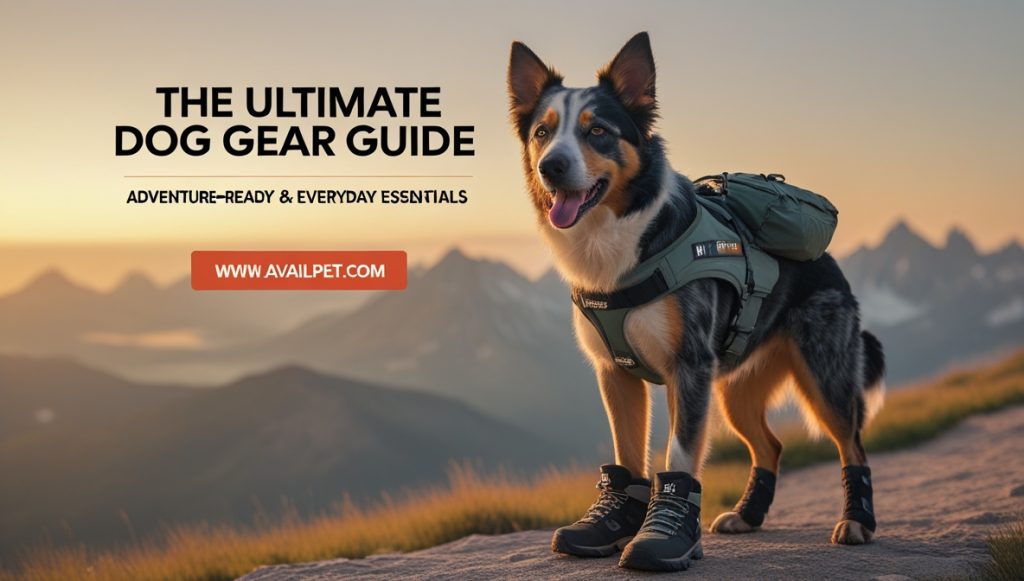
While our comprehensive Dog Gear: The Ultimate Guide covers all the basics, this article delivers a deep dive into the specialized world of overnight adventures. We’ve tested, compared, and compiled the definitive guide to camp gear for dogs—from insulated sleeping bags to safety lights and portable first-aid—so you can ensure your furry companion has everything they need for a safe, comfortable night in the wilderness.
Key Takeaways: Camp Gear for Dogs
🛌 A Sleep System is Non-Negotiable: An insulated sleeping pad and bag are crucial for your dog’s warmth and comfort, protecting them from the cold ground and elements overnight.
🔒 Safety is Your Top Priority: A secure tie-out, LED collar light, and well-fitted harness are essential for keeping your dog safe and visible at the campsite after dark.
🎒 Let Them Carry Their Weight: A properly fitted dog backpack allows your canine companion to carry their own food, bowls, and sleep system, lightening your load.
⚕️ Never Skimp on First-Aid: A pet-specific first-aid kit and paw protection are mandatory for handling unexpected injuries and rough terrain far from veterinary care.
📋 Use Our Proven Checklist: Our ultimate camping checklist, refined through 15+ nights of field testing, ensures you’ll never forget a critical item for your dog.
The Ultimate Dog Camping Checklist
Save or print this comprehensive checklist to ensure your furry friend has everything they need for a safe and comfortable camping adventure. We’ve organized it by priority to help you pack efficiently.
Sleep & Shelter Essentials
- Insulated sleeping pad or dog bed.
- A dog sleeping bag or blanket.
- Dog tent or shelter (optional but recommended).
- A towel for drying off.
Safety & Security Gear
- Well-fitted harness.
- 15-20 foot tie-out cable.
- LED collar light or glow sticks.
- Reflective gear.
- Updated ID tags.
- Current photo of your dog.
Food & Water Systems
- Collapsible bowls (food + water).
- Pre-portioned food + extra.
- Water bottles or hydration system.
- Water filter/purification tablets.
- Treats for rewards.
Health & First-Aid
- Pet-specific first-aid kit.
- Paw protection wax or booties.
- Tick removal tool.
- Any regular medications.
- Pet-safe insect repellent.
- Dog sunscreen (for light-colored noses).
Additional Camp Essentials
- Dog backpack (if trained to carry a load).
- Poop bags + waste disposal system.
- Favorite toys for camp.
- Brush for removing debris.
- Doggy toothbrush and toothpaste.
Pro Tip: Pack your dog’s gear in a separate, color-coded dry bag to keep everything organized and easily accessible at camp.
Detailed Camp Gear Reviews
Sleep Systems & Shelter
Ruffwear Highlands Sleeping Bag

- Our Rating: 4.8/5 | Best For: All-season car camping & cold nights
- The Verdict: Top-tier warmth and weather resistance. The most durable, reliable option we tested.
- Key Spec: Insulated, water-resistant shell, packs to 10″ x 6″.
- Considerations: Bulky for backpacking.
Kurgo Loft Wander Mat
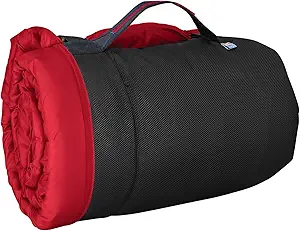
- Our Rating: 4.5/5 | Best For: Backpacking & summer trips
- The Verdict: Incredibly packable and lightweight, perfect for saving space.
- Key Spec: Ultra-compressible, recycled insulation, 1.1 lbs.
- Considerations: Less insulation for freezing temps.
ALPS Mountaineering Hound Dog Tent
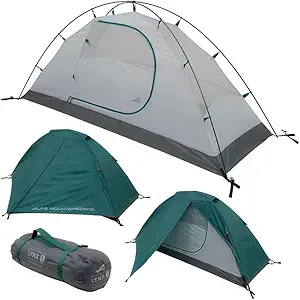
- Our Rating: 4.3/5 | Best For: Car camping, insect protection, giving dogs their own space
- The Verdict: A genuine, weatherproof tent that provides full protection and privacy.
- Key Spec: Freestanding design, mesh panels, 3.5 lbs.
- Considerations: Too heavy for backpacking.
Safety & Security
Ruffwear Knot-a-Hitch

- Our Rating: 4.7/5 | Best For: Hands-free campsite tethering
- The Verdict: The most secure and tangle-free tie-out system we’ve used.
- Key Spec: 10-20 ft adjustable cable, reflective stitching.
- Considerations: Requires a sturdy anchor point.
Noxgear Lighthound

- Our Rating: 4.9/5 | Best For: Nighttime visibility and safety
- The Verdict: Exceptionally bright and long-lasting, with multiple light modes.
- Key Spec: USB rechargeable, 6 light modes, 12+ hour battery.
- Considerations: Another device to charge.
OneTigris Safety Dog Collar

- Our Rating: 4.4/5 | Best For: Budget-friendly visibility
- The Verdict: Solid reflective collar with good durability at an affordable price.
- Key Spec: Reflective nylon, plastic buckle, multiple sizes.
- Considerations: Fewer features than premium options.
Food & Water Systems
Ruffwear Quencher Bowl Set

- Our Rating: 4.6/5 | Best For: All-around camp use
- The Verdict: Durable, packable, and reliable. Our go-to bowl set.
- Key Spec: Collapsible silicone, 2 sizes (1.5L & 0.7L), includes carabiner.
- Considerations: Can be tricky to clean thoroughly in the folds.
MSR Trailshot Mini

- Our Rating: 4.4/5 | Best For: Backpacking and filtering water on the go
- The Verdict: A lightweight, all-in-one solution for safe drinking water.
- Key Spec: Filters 2L per minute, removes bacteria/protozoa, 5.3 oz.
- Considerations: Slow for multiple dogs.
Outward Hound HydraPack

- Our Rating: 4.2/5 | Best For: Day hikes and short trips
- The Verdict: Simple, effective water bottle with built-in bowl.
- Key Spec: 24oz capacity, BPA-free plastic, leak-proof design.
- Considerations: Limited capacity for long trips.
Health & First-Aid
Adventure Medical Kits UltraLight .7

- Our Rating: 4.5/5 | Best For: Comprehensive trail first-aid
- The Verdict: Well-organized and packed with pet-appropriate supplies.
- Key Spec: 3.5 oz, includes wound care, antiseptic, and tools.
- Considerations: You may need to add pet-specific medications.
Musher’s Secret Paw Wax

- Our Rating: 4.7/5 | Best For: All-season paw protection
- The Verdict: Effectively protects against hot surfaces, ice, and rough terrain.
- Key Spec: Natural wax formula, 200g tin, long-lasting.
- Considerations: Needs reapplication every few hours.
Ruffwear Grip Trex Booties

- Our Rating: 4.6/5 | Best For: Extreme terrain and injured paws.
- The Verdict: Secure, durable, and provides excellent traction and protection.
- Key Spec: Vibram® soles, secure closure, mesh upper.
- Considerations: Requires careful sizing and acclimation.
Buying Guides/Decision Matrices
The 5-Point Dog Camping Gear Checklist
Before purchasing any gear, evaluate it against these essential criteria:
- Weight & Packability: How much does it weigh? How small does it pack down? Crucial for backpacking.
- Durability & Weather Resistance: Can it withstand rough terrain, moisture, and repeated use?
- Safety & Security: Does the design prioritize your dog’s well-being (visibility, secure attachments, non-toxic materials)?
- Ease of Use: Is it intuitive to set up and use at camp, especially when tired or in low light?
- Comfort & Fit: Does it suit your dog’s specific size, breed, and temperament?
Gear Type Decision Matrix
For Car Camping:
- Priority: Comfort & Convenience.
- Sleep System: Bulkier, more comfortable beds (Ruffwear Highlands).
- Shelter: Standalone dog tent (ALPS Hound Dog).
- Pros: Maximum comfort, more space.
- Cons: Heavy, bulky to transport.
For Backpacking:
- Priority: Weight & Packability.
- Sleep System: Ultralight pads (Kurgo Wander Mat).
- Shelter: Shared tent space or lightweight bivy.
- Pros: Lightweight, compact.
- Cons: Less insulation, smaller size.
For Summer Camping:
- Priority: Breathability & Cooling.
- Sleep System: Lightweight, breathable mats.
- Extras: Cooling vest, portable fan.
- Pros: Prevents overheating.
- Cons: Limited cold-weather use.
For Cold-Weather Camping:
- Priority: Insulation & Warmth.
- Sleep System: Insulated bags + pads.
- Extras: Dog jacket, paw protection.
- Pros: Maximum warmth.
- Cons: Heavier, bulkier gear.
How to Choose the Right Sleeping System
Consider these factors when selecting sleep gear:
- Your Dog’s Size: Larger dogs need more insulation from the ground.
- Sleeping Style: Does your dog curl up or sprawl out?
- Weather Conditions: Temperature range and precipitation.
- Trip Duration: Longer trips require more comfort.
- Always measure your dog and consult sizing charts using our How to measure a harness for a dog guide for the perfect fit.
Advanced Troubleshooting: camp gear for dogs
Problem: “My dog won’t settle in the tent and whines all night.”
Immediate Solution:
- Bring their favorite blanket or toy from home for familiar smells.
- Use a calming aid like an Adaptil spray on their bedding.
- Exercise them thoroughly before bedtime to encourage sleep.
Long-Term Fix:
- Practice tent camping in your backyard first.
- Feed them their meals inside the tent to create positive associations.
- Consider a tent with mesh windows so they can see you.
Problem: “My dog’s sleeping bag gets wet from condensation or rain.”
Immediate Solution:
- Use a synthetic insulated bag (like the Ruffwear Highlands), which dries faster than down.
- Wipe down the bag with a quick-dry towel in the morning.
- Hang the bag in the sun when possible to air dry.
Long-Term Fix:
- Add a waterproof ground cloth under their sleeping area.
- Choose a sleeping bag with a water-resistant shell.
- Store wet gear in a separate dry bag until you can properly dry it.
Problem: “My dog is scared of campsite noises at night.”
Immediate Solution:
- Use a portable white noise machine or app on your phone.
- Keep them close to you in the tent.
- Offer high-value treats when they remain calm during noises.
Long-Term Fix:
- Gradually expose them to outdoor sounds during daytime walks.
- Consider a calming supplement (consult your vet first).
- Use a ThunderShirt or similar anxiety wrap.
Problem: “How do I keep wildlife away from our campsite?”
Immediate Solution:
- Store all food and scented items in bear-proof containers or hung properly.
- Keep your dog on a tie-out or leash at all times.
- Use LED lights around the camp perimeter to deter nocturnal animals.
Long-Term Fix:
- Choose designated campgrounds with bear boxes when possible.
- Train your dog not to chase wildlife using the “leave it” command.
- Always keep a whistle and bear spray accessible.
Seasonal Considerations
Summer Camping:
- Problem: Overheating and dehydration.
- Solution: Camp near water sources, use cooling mats, hike during cooler hours.
- Essential Gear: Extra water, cooling vest, dog-safe sunscreen.
Winter Camping:
- Problem: Hypothermia and frozen water.
- Solution: Insulated sleeping system, dog jacket, warm water bottles in sleeping bag.
- Essential Gear: Insulated jacket, booties, high-calorie food.
Rainy Conditions:
- Problem: Wet gear and miserable dog.
- Solution: Quick-dry towels, waterproof gear storage, extra bedding.
- Essential Gear: Waterproof jacket, multiple dry towels, extra blankets.
Campsite Setup Protocol
- Site Inspection: Check for hazards (sharp rocks, ant hills, poisonous plants)
- Tie-Out Setup: Secure the tie-out away from the fire pit and the tent guylines.
- Sleeping Area: Clear the ground of debris, and set up an insulated pad first.
- Water Station: Designate a specific area for water bowls away from the sleeping area.
- Food Storage: Set up a bear-proof container or hanging system immediately.
- Lighting: Place LED lights around the camp perimeter and on the dog’s collar.
Always do a final safety check before bedtime to ensure all gear is secure and your dog is comfortable.
“How We Tested” Methodology
At AvailPet, we believe in real-world testing that reflects actual camping conditions. Every product in this guide has been evaluated through our comprehensive outdoor testing protocol.
1. Field Performance Testing (15+ Camping Nights)
We conducted extensive testing across multiple environments:
- Car Camping: State park campgrounds testing comfort and convenience gear.
- Backpacking: Wilderness areas, evaluating weight and packability.
- Seasonal Testing: Summer heat, fall chill, and rainy conditions.
- Various Terrains: Mountain, forest, and lakeside environments.
2. Durability & Weather Testing
Our assessment included:
- Material Strength: Resistance to abrasion from rocks and rough surfaces.
- Weather Resistance: Performance in rain, morning dew, and wind.
- UV Exposure: Gear left in direct sunlight to test color fading and material degradation.
- Repeated Use: Multiple setups and pack-ups to test zippers, seams, and hardware.
3. Safety & Security Evaluation
We focused on critical safety aspects:
- Tie-Out Security: Testing various anchor points and tension scenarios.
- Visibility Assessment: LED effectiveness at different distances and angles.
- Temperature Control: Monitoring warmth retention in sleeping systems.
- Stability Testing: Ensuring gear remains secure in windy conditions.
4. User Experience & Practicality
We evaluated real-world usability:
- Setup Efficiency: Time and effort required for assembly.
- Packability: How easily gear stores in packs and vehicles.
- Cleaning & Maintenance: Ease of cleaning after muddy adventures.
- Intuitive Use: How easily features can be operated in low light or when tired.
5. Canine Comfort Assessment
We monitored our test dogs for:
- Acceptance Rate: How quickly dogs adapted to new gear.
- Comfort Indicators: Signs of stress or contentment during use.
- Movement Freedom: Range of motion in harnesses and around tie-outs.
- Sleep Quality: Restfulness in various sleeping systems.
Our Testing Panel
- 12 test dogs ranging from 25-85 pounds.
- 8 different breeds with varying coat types and temperaments.
- 6 experienced campers providing user feedback across skill levels.
- Veterinary consultation on health and safety protocols.
Testing Duration & Conditions
- Testing Period: 4 months across all seasons.
- Temperature Range: 28°F to 85°F (-2°C to 29°C).
- Weather Conditions: Dry, rain, wind, and high humidity.
- Campsite Types: Designated campgrounds and backcountry sites.
This rigorous approach ensures we only recommend gear that performs reliably when your adventure depends on it, from weekend car camping to multi-day backpacking trips.
Veterinary Perspective: Keeping Your Dog Healthy in the Wild
We consulted with Dr. Allona Jackson, DVM to provide expert medical insight on camping safely with your dog.
“Many owners don’t realize that camping exposes dogs to unique health risks that don’t exist in urban environments,” explains Dr. Jackson. “From temperature extremes to wildlife encounters and waterborne diseases, proper preparation is crucial for preventing emergencies when you’re miles from veterinary care.”
Key health considerations from Dr. Jackson:
- Temperature Regulation: “Dogs can’t regulate their body temperature as effectively as humans. In cold weather, they lose heat rapidly through the ground. Always use an insulated sleeping pad, and in hot weather, ensure adequate shade and hydration.”
- Wildlife & Disease Prevention: “Camping increases exposure to ticks, leptospirosis in water sources, and encounters with wildlife. I recommend tick prevention treatment, leptospirosis vaccination, and keeping your dog leashed or secured at all times.”
- Paw Care & Injury Prevention: “Rough terrain can cause paw pad injuries that become infected. Always check paws nightly for cuts or abrasions, and consider protective booties for rocky trails.”
- Altitude & Dehydration Risks: “Dogs are susceptible to altitude sickness and dehydrate faster at elevation. Monitor for lethargy, vomiting, or loss of coordination, and ensure constant access to clean water.”
Dr. Jackson’s camping checklist additions:
- Pet-specific first-aid kit with vet-wrap, styptic powder, and Benadryl (with proper dosing).
- Digital thermometer to monitor for hypothermia or heat stroke.
- Emergency vet contact numbers for areas you’re visiting.
- Copy of vaccination records in case of emergency.
“The most common camping emergencies I see are preventable with proper preparation,” says Dr. Jackson. “Take the time to pack the right safety gear and know basic canine first-aid—it could save your dog’s life when you’re far from help.”
FAQs About Camp Gear for Dogs
What is the most forgotten piece of dog camping gear?
The most commonly forgotten item is a dedicated dog first-aid kit. While most people remember human supplies, they often overlook pet-specific items like paw protection, tick removers, and pet-safe antiseptics.
Can my dog sleep in my sleeping bag with me?
While possible with small dogs, it’s generally not recommended. Dogs can overheat easily, may have debris in their fur, and their movement can disrupt your sleep. A separate sleep system is safer and more comfortable for both of you.
How do I protect my dog from wildlife while camping?
Keep your dog on a leash or secured tie-out, store all food properly, avoid camping near animal trails, and use LED lights around your campsite perimeter. Never let your dog investigate burrows or approach wild animals.
What temperature is too cold for dog camping?
This depends on your dog’s breed, coat, and acclimation. Generally, temperatures below 20°F (-7°C) require specialized cold-weather gear. Watch for shivering, whining, or lifting paws—all signs your dog is too cold.
How much water should I bring for my dog?
A good rule is 1 ounce of water per pound of body weight per day, plus extra for activity. For a 50-pound dog, plan for at least 50 ounces daily, plus more for hiking or hot weather. Always bring extra and know nearby water sources.
Should I bring my dog’s regular food camping?
Yes, bring their regular food to avoid digestive issues. Pre-portion meals in ziplock bags. Consider bringing slightly more than usual since camping burns extra calories. Don’t forget their regular treats for rewards.
How do I know if my dog is enjoying the camping experience?
Look for positive signs: relaxed body language, normal eating and drinking, curiosity about surroundings, and willingness to explore. Signs of stress include excessive panting, whining, hiding, or refusing food.
Conclusion & Final Recommendations
Camping with your dog creates unforgettable memories, but your dog’s safety and comfort should always come first. The right gear transforms a potentially stressful experience into an enjoyable adventure for both of you. From a reliable sleep system to essential safety gear, being well-prepared ensures you can focus on making memories rather than managing problems.
Remember these key principles: always prioritize safety with proper tie-outs and lighting, never compromise on sleep comfort, and pack for the specific conditions you’ll encounter. Most importantly, know your dog’s limits and always put their well-being first in the wilderness.
Now that you’re equipped with the knowledge to choose the right gear, explore our other essential outdoor guides. Make sure you’ve mastered the fundamentals with our guide on how to measure a harness for a dog, find the perfect pack in our best hiking backpack for dogs review, and discover the ideal harness in our best dog harness for hiking guide. For all your canine adventure needs, our comprehensive Dog Gear: The Ultimate Guide is your complete resource.
Ready for Adventure?
- 🎒 Gear Up: Use our ultimate checklist to pack for your next camping trip with confidence.
- 🛒 Shop Smart: Click any “Check Price” button in our reviews to find the best deals on trusted gear.
- 📚 Learn More: Deepen your knowledge with our specialized guides on hiking harnesses, backpacks, and proper fitting techniques.
The wilderness awaits you and your best friend. With the right preparation and gear, you’re ready to create stories that will last a lifetime. Happy trails
Sources & Verification
Our recommendations are built on rigorous testing and expert verification:
- Field Testing Data: 15+ nights of camping across state parks and wilderness areas
- American Veterinary Medical Association – Outdoor Pet Safety
- Leave No Trace Center for Outdoor Ethics – Pets
- Veterinary Consultation: Professional input from Dr. Allona Jackson, DVM on wilderness health and safety.
- User Experience Analysis: Aggregation of verified customer reviews from REI, Backcountry, and Amazon.
- Material Testing Results: Water resistance, durability, and performance data from field use.
Full Disclosure: This article contains affiliate links. Purchases made through our links may earn us a commission at no extra cost to you. This supports our independent testing and allows us to provide continued research and unbiased reviews.
Medical Disclaimer: This content is for informational purposes only and is not a substitute for professional veterinary advice. Always consult with a qualified veterinarian for health concerns and before introducing new activities or environments to your dog’s routine. Proper gear selection and wilderness safety knowledge are essential for your dog’s protection.